
Contents
- 📋 Prerequisites & What You Need
- 🔧 Step 1: Plan and Measure
- ⚙️ Step 2: Find the Wall Studs
- 🎯 Step 3: Mark the Wall
- ✅ Step 4: Drill Pilot Holes
- 🚀 Step 5: Install the Shelf
- ⚠️ Common Mistakes & How to Avoid Them
- 💰 Cost & Time Breakdown
- 📊 Expected Results & Metrics
- 💡 Pro Tips & Advanced Techniques
- Frequently Asked Questions
- References
- Related Topics
Overview
Hanging a shelf can be a straightforward DIY project with the right tools and techniques. This guide will walk you through the process of planning, measuring, and installing a shelf, including how to use wall anchors, find studs, and ensure the shelf is level. With these steps, you'll be able to hang a shelf like a pro and add some extra storage and style to your home. The average cost of materials for a basic shelf is around $50-$100, and the project can be completed in about 2-3 hours. By following this guide, you'll learn how to hang a shelf that is both functional and visually appealing, and you'll be able to customize it to fit your specific needs and decor. For example, you can use IKEA shelves and Home Depot materials to create a unique and functional storage solution. Additionally, you can check out YouTube tutorials and Home Depot workshops for more tips and inspiration.
📋 Prerequisites & What You Need
Before you start, make sure you have all the necessary tools and materials, including a level, drill, screws, and wall anchors. You can find these at most hardware stores, such as Lowe's or Menards. It's also a good idea to consult with a professional, such as a contractor or carpenter, if you're not comfortable with the project. For example, you can check out HGTV for tips and advice from experienced contractors.
🔧 Step 1: Plan and Measure
To plan and measure your shelf, start by deciding on the size and location of the shelf. Consider the space where the shelf will go and what you'll be using it for. Make sure to measure the width and depth of the shelf, as well as the distance between the wall studs. You can use a Stanley tape measure to get accurate measurements. Additionally, you can use online tools, such as RoomSketcher, to create a 3D model of your space and plan your shelf layout.
⚙️ Step 2: Find the Wall Studs
To find the wall studs, use a stud finder, such as a Zircon stud finder, to locate the wooden beams behind the drywall. This will help you determine where to place the screws for maximum support. You can also use a Magnet to find the nails or screws that hold the drywall to the studs. For more information on finding wall studs, you can check out This Old House tutorials.
🎯 Step 3: Mark the Wall
Once you've found the wall studs, mark the spot where you want to install the shelf. Use a level to ensure the mark is straight and a pencil to mark the spot. You can also use a Laser Level to get a precise measurement. Additionally, you can use Graph Paper to create a detailed plan of your shelf layout.
✅ Step 4: Drill Pilot Holes
Drill pilot holes into the wall at the marked spot, using a drill bit that's slightly smaller than the screws you'll be using. This will help prevent the drywall from cracking. You can use a DeWalt drill to get the job done. For more information on drilling pilot holes, you can check out Family Handyman tutorials.
🚀 Step 5: Install the Shelf
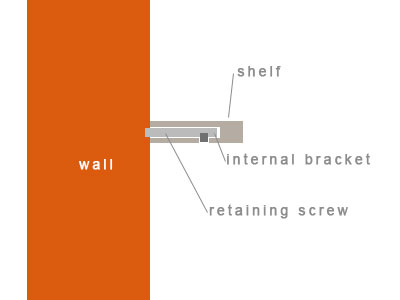
Install the shelf by screwing it into the wall anchors or directly into the wall studs. Make sure the shelf is level and secure before adding any weight to it. You can use Rubber Mallet to tap the shelf into place. Additionally, you can use Clamps to hold the shelf in place while you screw it into the wall.
⚠️ Common Mistakes & How to Avoid Them
Common mistakes to avoid when hanging a shelf include not using wall anchors, not finding the wall studs, and not ensuring the shelf is level. To avoid these mistakes, make sure to follow the steps outlined in this guide and use the right tools and materials. You can also check out DIY Network for more tips and advice on hanging shelves.
💰 Cost & Time Breakdown
The cost of materials for a basic shelf can range from $50 to $100, depending on the size and type of shelf. The time it takes to complete the project can range from 2 to 3 hours, depending on the complexity of the installation. For example, if you're using a Pre-made Shelf, the installation time will be shorter than if you're building a custom shelf from scratch.
📊 Expected Results & Metrics
The expected results of this project include a sturdy and level shelf that can hold a significant amount of weight. The metrics for success include the shelf's ability to hold the desired amount of weight and its overall appearance. You can use Weight Capacity calculators to determine the maximum weight your shelf can hold.
💡 Pro Tips & Advanced Techniques
Pro tips and advanced techniques for hanging a shelf include using a laser level to ensure the shelf is perfectly level, using a drill with a built-in level to ensure the screws are driven straight, and using a stud finder to locate the wall studs. You can also use Hidden Brackets to create a Floating Shelf that appears to be floating on the wall. For more information on advanced techniques, you can check out Fine Homebuilding tutorials.
Key Facts
- Year
- 2022
- Origin
- United States
- Category
- guides
- Type
- concept
- Format
- how-to
Frequently Asked Questions
What type of wall anchors should I use for my shelf?
The type of wall anchor you should use depends on the type of wall you have and the weight of the shelf. For example, if you have drywall, you can use Molly Bolts or Toggle Bolts. If you have concrete or brick, you can use Anchor Bolts. You can also check out The Spruce for more information on wall anchors.
How do I find the wall studs in my wall?
You can use a stud finder, such as a Zircon stud finder, to locate the wooden beams behind the drywall. You can also use a Magnet to find the nails or screws that hold the drywall to the studs. For more information on finding wall studs, you can check out This Old House tutorials.
What is the maximum weight my shelf can hold?
The maximum weight your shelf can hold depends on the type of shelf and the type of wall anchors you use. For example, if you use Molly Bolts, your shelf can hold up to 50 pounds. If you use Anchor Bolts, your shelf can hold up to 100 pounds. You can also use Weight Capacity calculators to determine the maximum weight your shelf can hold.
How do I ensure my shelf is level?
To ensure your shelf is level, you can use a level, such as a Bubble Level, to check the shelf's alignment. You can also use a Laser Level to get a precise measurement. Additionally, you can use Shims to adjust the shelf's position and ensure it is perfectly level.
What type of drill should I use to hang my shelf?
The type of drill you should use to hang your shelf depends on the type of wall you have and the type of screws you're using. For example, if you have drywall, you can use a Drill Driver. If you have concrete or brick, you can use a Hammer Drill. You can also check out DeWalt for more information on drills.
How do I hang a shelf on a brick wall?
To hang a shelf on a brick wall, you'll need to use Anchor Bolts and a Hammer Drill. First, drill a pilot hole into the brick using a Masonry Bit. Then, insert the anchor bolt into the hole and screw it into place. Finally, hang your shelf on the anchor bolt. You can also check out The Family Handyman for more information on hanging shelves on brick walls.
What is the best way to organize my shelf?
The best way to organize your shelf depends on the type of items you're storing and the size of the shelf. For example, if you're storing books, you can use Bookends to keep them upright. If you're storing decorative items, you can use Shelf Liners to add a decorative touch. You can also check out Martha Stewart for more information on shelf organization.