
Contents
Overview
The concept of growing plants without soil, known as hydroponics, has a surprisingly ancient lineage, predating modern agricultural science. While the technology might seem cutting-edge today, historical accounts suggest practices akin to hydroponics were employed in the legendary Hanging Gardens of Babylon, one of the Seven Wonders of the Ancient World, where the Euphrates River was diverted to nourish plants. The Aztecs also famously used floating gardens, or 'chinampas,' in Lake Tenochtitlan, demonstrating early ingenuity in soilless cultivation. These historical precedents highlight humanity's long-standing quest for efficient food production, a quest that continues with modern innovations like those seen in contemporary urban farming initiatives and research by institutions such as the USDA National Agricultural Library.
⚙️ How It Works
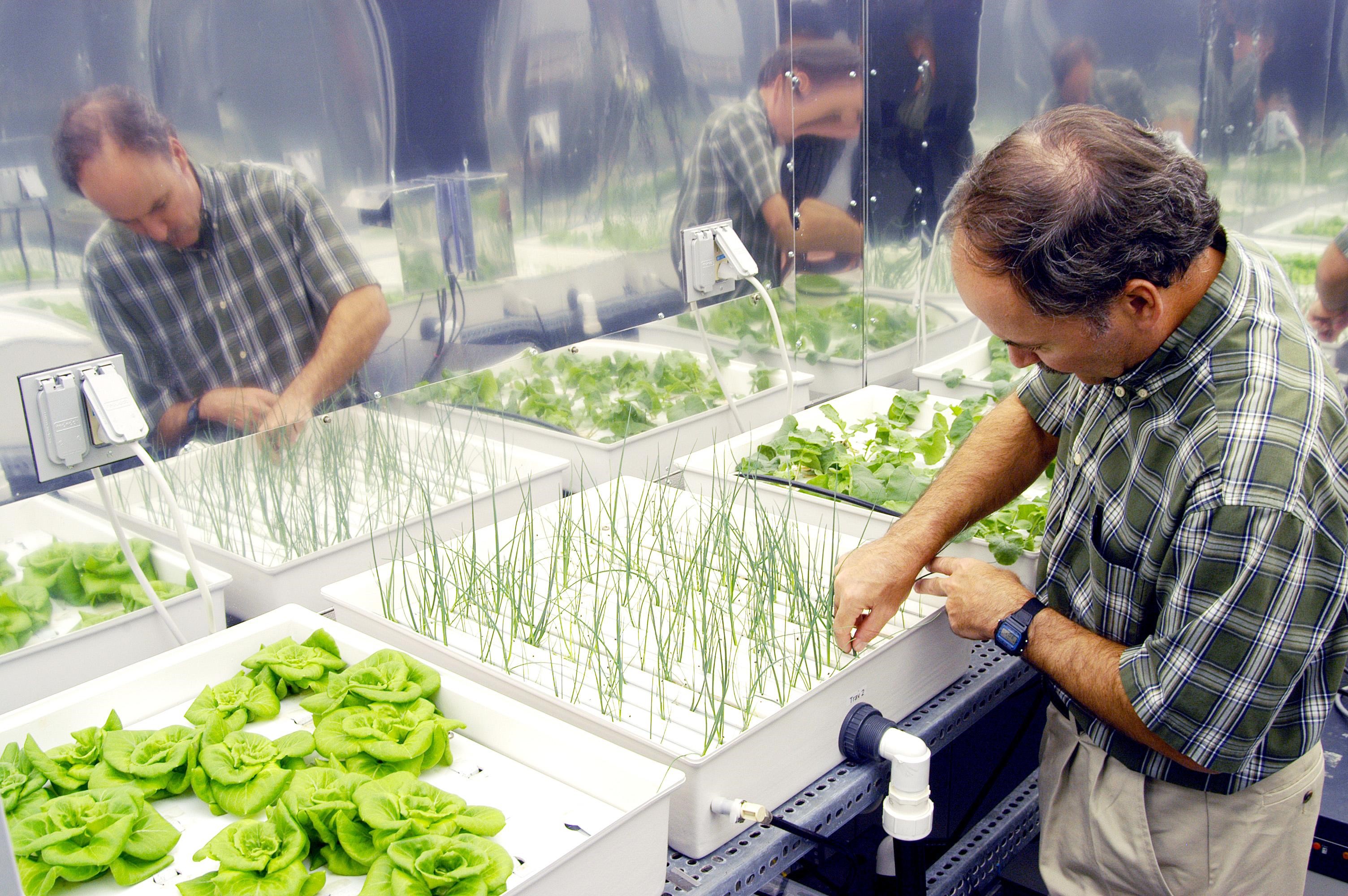
Modern hydroponics, as defined by the USDA, involves growing plants using mineral nutrient solutions dissolved in water, often with inert media like perlite or gravel to support the roots. This method allows for precise control over nutrient delivery, leading to optimized plant growth and higher yields, as noted by the University of Minnesota Extension. There are several types of hydroponic systems, each with unique mechanisms, including Deep Water Culture (DWC), Nutrient Film Technique (NFT), Ebb and Flow (Flood and Drain), and Drip Systems, as detailed by Atlas Scientific. These systems, whether simple setups for home growers on Reddit's r/Hydroponics or complex commercial operations, all share the fundamental principle of delivering essential nutrients directly to the plant roots, bypassing the need for traditional soil.
🌍 Cultural Impact
The cultural impact of hydroponics is steadily growing, driven by increasing awareness of environmental sustainability and food security. Urban farming projects, often employing hydroponic systems, are transforming cityscapes and providing fresh produce to local communities, reducing food miles and carbon footprints. Companies like Fresh Water Systems are exploring and promoting these advanced cultivation methods. Furthermore, the ability to grow crops in controlled environments has significant implications for regions with poor soil quality or limited arable land, offering a viable solution to agricultural challenges. This shift towards localized, efficient food production resonates with movements like conscious consumerism and the broader push for sustainable living, influencing everything from restaurant menus to educational programs.
🔮 Legacy & Future
The legacy of hydroponics is still being written, but its future appears bright and transformative. As climate change continues to impact traditional agriculture, hydroponics offers a resilient alternative, capable of producing food in diverse and challenging environments, from arid deserts to space stations. Innovations in LED lighting, automation, and nutrient management, often discussed on platforms like Medium by enthusiasts like Rachel Lee, are continuously improving the efficiency and accessibility of hydroponic systems. The integration of artificial intelligence and IoT devices promises even greater precision and yield optimization, potentially revolutionizing global food supply chains and contributing to a more sustainable and food-secure future for a growing global population.
Key Facts
- Year
- 1930s (modern term popularized)
- Origin
- Global (ancient roots, modern scientific development in the US)
- Category
- technology
- Type
- technology
Frequently Asked Questions
What is hydroponics?
Hydroponics is a method of growing plants without soil, using mineral nutrient solutions dissolved in water. Plants are typically supported by inert media like perlite or gravel, and receive all necessary nutrients directly through the water, as explained by the USDA National Agricultural Library.
What are the main benefits of hydroponics?
Hydroponics offers several key benefits, including significantly reduced water usage (up to 90% less than traditional farming), faster plant growth, higher yields, and the ability to grow crops year-round in controlled environments, as highlighted by the University of Minnesota Extension. It also eliminates soil-borne pests and diseases.
What are some common types of hydroponic systems?
There are various hydroponic system types, each with different approaches to delivering nutrients. Popular systems include Deep Water Culture (DWC), Nutrient Film Technique (NFT), Ebb and Flow (Flood and Drain), Drip Systems, and Wick Systems, as detailed by Atlas Scientific. Each system has its own advantages and is suited for different types of plants and scales of operation.
Is hydroponics a new invention?
While modern hydroponics with its scientific understanding and technological advancements is relatively recent, the concept of growing plants without soil has ancient roots. Historical examples include the Hanging Gardens of Babylon and the Aztec chinampas, demonstrating early forms of soilless cultivation, as noted by Fresh Water Systems.
Can I set up a hydroponic system at home?
Yes, small-scale hydroponic systems are increasingly popular for home growers. Resources like Reddit's r/Hydroponics and guides on platforms like Medium (e.g., by Rachel Lee) provide advice and product recommendations for designing and building your own system. It's a great way to grow fresh produce indoors, regardless of the season.
References
- runnerrachel-lee.medium.com — /a-beginners-guide-to-hydroponically-growing-lettuce-ef305893109a
- nal.usda.gov — /farms-and-agricultural-production-systems/hydroponics
- en.wikipedia.org — /wiki/Hydroponics
- atlas-scientific.com — /blog/6-types-of-hydroponics-systems-explained/
- extension.umn.edu — /how/small-scale-hydroponics
- reddit.com — /r/Hydroponics/comments/nu9gl7/wanna_build_my_own_hydroponics_where_do_i_start/
- extension.okstate.edu — /fact-sheets/hydroponics.html
- freshwatersystems.com — /blogs/blog/what-are-hydroponic-systems