
Contents
Overview
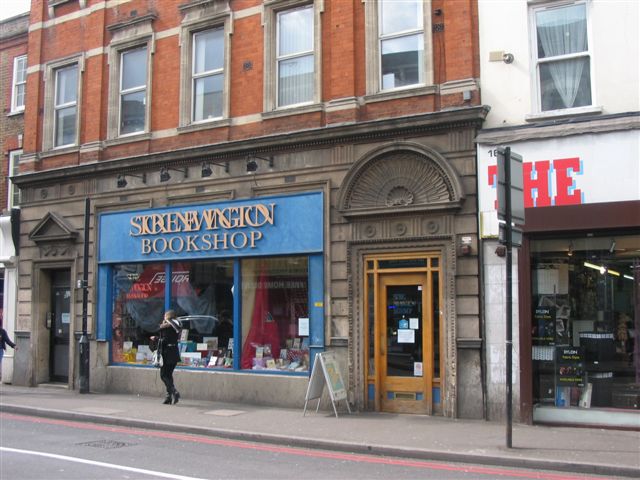
Independent bookstores are retail establishments dedicated to selling books, distinguished by their singular ownership and often single-location operation, though some operate as small chains. Unlike corporate behemoths like Barnes & Noble, these stores are typically owned by individuals, partnerships, cooperatives, or non-profits, fostering a unique, community-centric atmosphere. They serve as vital cultural hubs, often functioning as de facto literary salons through author events and curated selections. While facing immense pressure from online retailers like Amazon and the consolidation of larger chains, independent bookstores have demonstrated remarkable resilience, adapting through community engagement, specialized inventory, and a commitment to the tactile experience of browsing physical books. Their survival is a testament to their deep connection with readers and their role in nurturing literary ecosystems.
🎵 Origins & History
The concept of an independent bookstore predates the modern publishing industry, evolving from early booksellers and stationers who operated as sole proprietors. By the late 19th and early 20th centuries, as publishing houses began to consolidate, independent booksellers became crucial gatekeepers for literary discovery. The mid-20th century saw a boom in independent bookstores, particularly in university towns and urban centers, fostering intellectual discourse. Post-World War II, the rise of paperback editions and the subsequent growth of chain stores like Barnes & Noble in the 1960s and 70s began to challenge their dominance, pushing independents to further differentiate themselves through curation and community focus. The advent of Amazon in the mid-1990s marked another seismic shift, forcing a reckoning that continues to shape the sector today.
⚙️ How It Works
Independent bookstores operate on a model that prioritizes curated selection and personalized customer service over sheer volume. Unlike chain stores or online retailers that rely heavily on algorithms and bestseller lists, independents are staffed by knowledgeable booksellers who hand-pick titles, often specializing in specific genres or local authors. Inventory management is a delicate balance, requiring careful ordering from publishers and distributors like Ingram Content Group to maintain a diverse yet manageable stock. Author events, book clubs, and community partnerships are integral to their operational strategy, transforming the store from a mere retail space into a cultural gathering point. Financial models vary, with many operating as sole proprietorships or cooperatives, reinvesting profits directly back into the business and local economy.
📊 Key Facts & Numbers
The independent bookstore sector, while facing significant headwinds, remains a vital part of the literary economy. Sales for independent bookstores have shown steady growth since the lows of the early 2010s. While this represents a small fraction of the total book market, which is dominated by online sales and larger chains, it signifies a strong consumer preference for curated experiences.
👥 Key People & Organizations
Key figures in the independent bookstore movement include Robert MacGregor, founder of Powell's Books in Portland, Oregon, one of the world's largest independent bookstores. Organizations like the American Booksellers Association (ABA) play a crucial role in advocating for independent booksellers, providing resources, and promoting their value. Other significant independent bookstores include Strand Bookstore in New York City and Politics and Prose in Washington D.C., known for its robust author event programming. These entities, both individual stores and collective organizations, form the backbone of the independent bookselling community.
🌍 Cultural Impact & Influence
Independent bookstores have profoundly shaped literary culture by acting as incubators for new talent and diverse voices. They historically provided a platform for Beat Generation writers, feminist authors, and LGBTQ+ writers when mainstream publishers were hesitant. Their curated shelves introduce readers to books they might never discover through algorithmic recommendations, fostering a more serendipitous and personal reading journey. Events hosted at stores like Greenlight Bookstore in Brooklyn or Third Place Books in Seattle often become cultural touchstones, sparking conversations and building community around literature. This influence extends beyond book sales, contributing to the vibrancy of local economies and the intellectual life of their neighborhoods.
⚡ Current State & Latest Developments
The current landscape for independent bookstores is one of dynamic adaptation. While still facing intense competition from online retail giants and the lingering effects of the COVID-19 pandemic, many have found innovative ways to thrive. The rise of Bookshop.org, an online platform that supports independent bookstores, has provided a crucial digital lifeline, allowing them to compete online without the overhead of managing their own e-commerce infrastructure. Many stores are enhancing their in-store experiences with unique sidelines like artisanal gifts, local crafts, and high-quality coffee shops. Furthermore, a renewed appreciation for tangible goods and local community engagement, amplified by social media trends like #BookTok, has driven increased foot traffic and sales for many independent establishments in 2023 and 2024.
🤔 Controversies & Debates
The primary controversy surrounding independent bookstores centers on their economic viability and their ability to compete with larger entities. Critics argue that their curated selections can sometimes be perceived as elitist or exclusionary, potentially limiting exposure to a wider range of popular titles. Conversely, proponents champion their role in fostering literary diversity and supporting authors often overlooked by mainstream commercial pressures. Debates also arise regarding fair competition, particularly concerning the pricing power and logistical advantages held by online retailers like Amazon, which can often offer books at significantly lower prices. The question of whether independent bookstores can truly scale their community-focused model to meet the demands of a globalized market remains a persistent point of discussion.
🔮 Future Outlook & Predictions
The future of independent bookstores appears to hinge on continued innovation and deepening community ties. Experts predict a further integration of online and offline sales channels, with stores leveraging e-commerce platforms like Bookshop.org while enhancing their physical spaces. Expect more specialized programming, such as niche genre clubs, writing workshops, and partnerships with local schools and libraries. The increasing consumer desire for authentic experiences and support for local businesses suggests a sustained, albeit challenging, demand. Some futurists envision a model where bookstores become even more integrated into community life, perhaps offering co-working spaces or acting as hubs for local arts and culture, ensuring their relevance beyond just book sales.
💡 Practical Applications
Independent bookstores serve as crucial incubators for literary talent and community engagement. Their primary application lies in providing curated access to a wide array of books, from bestsellers to niche titles, fostering serendipitous discovery. They function as vital community centers, hosting author readings, book clubs, children's story times, and educational workshops, thereby strengthening local cultural fabric. For publishers, especially independent presses, these stores are indispensable partners in reaching dedicated readers and building author platforms. They also act as economic engines, creating local jobs and contributing to neighborhood revitalization, often becoming anchors in commercial districts.
Key Facts
- Category
- culture
- Type
- topic