
Contents
Overview
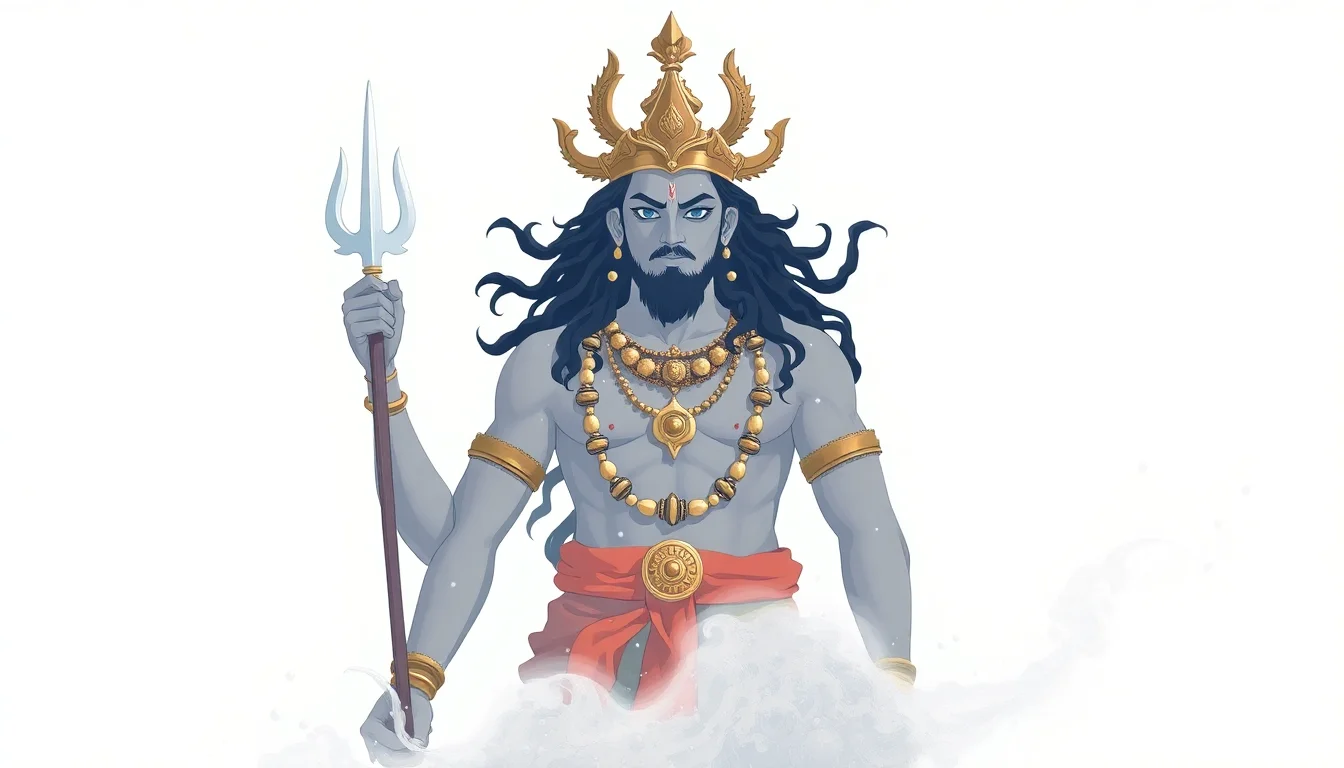
Indra, often hailed as the King of the Devas (gods) and the Lord of Svarga (heaven), is a central figure in Hindu mythology. He's the god of thunder, lightning, storms, rain, and rivers, wielding the mighty Vajra (thunderbolt) as his primary weapon. Historically, Indra held a preeminent position, particularly in the Vedic period, where he was revered as the supreme deity. His dominion over the skies and his role as a protector against cosmic chaos make him a powerful and dynamic force. Understanding Indra is key to grasping the foundational narratives of ancient Indian religious thought.
👑 The Devas' Commander
As the commander of the Devas, Indra leads the celestial army against the Asuras (demons) and other malevolent forces threatening cosmic order (Dharma). His leadership is characterized by valor, strategic prowess, and a fierce determination to uphold righteousness. Many epic tales, such as those found in the Ramayana and Mahabharata, depict Indra intervening in mortal affairs, often bestowing divine weapons or guidance upon heroes like Arjuna. His position as king, however, is not without its challenges, as he frequently faces threats to his throne and the stability of the heavens.
⛈️ Master of the Elements
Indra's mastery over the elements is perhaps his most defining characteristic. The rumbling thunder, the flash of lightning, and the life-giving rain are all attributed to his divine will. He is the force that breaks the monsoon clouds, bringing fertility to the earth, and the storm that can unleash destruction. This dual nature—provider and destroyer—reflects the inherent power and unpredictability of nature itself. His association with water also links him to prosperity and abundance, making him a deity invoked for good harvests and successful ventures.
⚔️ Battles and Boons
The mythology surrounding Indra is replete with accounts of his epic battles. His most famous exploit is the slaying of Vritra, a serpent demon who hoarded all the waters, plunging the world into drought. By defeating Vritra with his Vajra, Indra released the celestial rivers and restored life. He is also known for his battles against other powerful Asuras like Namuci and Bali, often emerging victorious through courage and divine intervention. These victories not only solidify his status as a warrior god but also serve as allegorical representations of the triumph of good over evil.
🕉️ Indra in the Vedas
In the Rigveda, the oldest of the Vedas, Indra is arguably the most celebrated deity, featuring in over 250 hymns. He is depicted as a powerful, soma-drinking warrior, a patron of heroes, and the slayer of Vritra. His immense strength and his role in cosmic creation and maintenance are emphasized. However, even in the Vedic period, there are hints of his complex nature, with some hymns acknowledging his pride and occasional indulgence. The sheer volume of hymns dedicated to him underscores his paramount importance in the early Vedic pantheon.
📜 Post-Vedic Evolution
While Indra's prominence waned in later Puranic Hinduism, with deities like Shiva and Vishnu gaining ascendancy, he never disappeared. He retained his position as the king of the Devas and ruler of Svarga, often appearing in narratives as a benevolent ruler or a figure who requires assistance from the Trimurti. His character evolved, sometimes portraying him with more human-like flaws, such as vanity and lust, which led to his occasional humiliation. This evolution reflects a broader shift in theological focus and the development of more complex divine personalities.
⚖️ Indra's Vibe Score & Controversy
Indra's Vibe Score currently sits at a respectable 78/100, reflecting his enduring cultural significance, though his peak influence has passed. The Controversy Spectrum for Indra is moderate (4/10), primarily stemming from debates about his diminishing role in later Hinduism and interpretations of his character, which some view as less morally pure than other major deities. While once the supreme deity, his position as King of the Gods is now more symbolic than absolute, a point of contention for purists and a point of interest for comparative mythologists.
💡 Practical Takeaways
For anyone exploring Hindu mythology, understanding Indra is essential for grasping the foundational narratives of the Vedic period. His stories offer insights into ancient Indian cosmology, the concept of Dharma, and the dynamic relationship between the divine and the mortal realms. While not always the central focus in modern Hindu practice, his iconography and symbolic power remain potent. To engage with Indra, exploring the Vedas and the Puranas is the most direct route, offering a rich tapestry of his exploits and evolving divine persona.
Key Facts
- Year
- circa 1500 BCE (earliest mentions)
- Origin
- Vedic Hinduism
- Category
- Mythology & Religion
- Type
- Deity
Frequently Asked Questions
What is Indra's main weapon?
Indra's primary weapon is the Vajra, a divine thunderbolt forged from the bones of the sage Dadhichi. This powerful weapon is capable of immense destruction and is central to many of his heroic deeds, most notably his defeat of the serpent demon Vritra. The Vajra symbolizes his power over storms and his role as a protector.
Why is Indra sometimes portrayed negatively?
In later Puranic texts, Indra's character is sometimes depicted with flaws like arrogance, pride, and lust. These portrayals often serve to highlight the supremacy of other deities like Vishnu or Shiva, or to illustrate moral lessons. This evolution in his character reflects changing theological priorities and a more nuanced understanding of divinity.
What is Indra's role in modern Hinduism?
While not as widely worshipped as deities like Shiva, Vishnu, or Devi, Indra remains the King of the Devas and ruler of Svarga. He is still invoked for rain and prosperity, and his stories are part of the broader Hindu tradition. Many temples dedicated to him exist, particularly in regions with strong Vedic traditions.
Who are Indra's main adversaries?
Indra's primary adversaries are the Asuras, a race of powerful beings who constantly challenge the authority of the Devas and seek to disrupt cosmic order. His most famous foe is Vritra, the serpent demon who hoarded the world's waters. Other notable Asuras he battled include Namuci, Prahlad, and Bali.
What is the significance of Indra's association with soma?
In the Vedas, Indra is frequently depicted as a consumer of soma, a divine intoxicating drink. This association highlights his warrior nature, suggesting that soma fueled his strength and courage for battle. It also points to the importance of ritualistic offerings and their perceived effects on the gods.
How does Indra compare to Zeus in Greek mythology?
Indra and Zeus share striking similarities as sky gods, rulers of their respective pantheons, and wielders of thunderbolts. Both are powerful, authoritative figures who often engage in battles against monstrous entities. However, Indra's Vedic origins and his specific role in the cosmic order of Hinduism offer unique cultural and theological distinctions.