
Contents
- 🏔️ The Grand Overview: More Than Just Peaks
- 📍 Location & Access: Where the Alps Meet Italy
- 🗺️ Key Regions & Their Vibe Scores
- ⛷️ Winter Sports: From Piste to Powder
- ☀️ Summer Adventures: Hiking, Biking, and Beyond
- 🏡 Accommodation: From Rustic Rifugi to Luxury Chalets
- 🍽️ Culinary Delights: Alpine Flavors You Can't Miss
- 🚗 Getting Around: Navigating the Mountain Passes
- 💰 Pricing & Plans: Budgeting Your Alpine Escape
- ⭐ What People Say: The Collective Vibe
- 💡 Practical Tips: Making the Most of Your Trip
- 🚀 Planning Your Ascent: Next Steps
- Frequently Asked Questions
- Related Topics
Overview
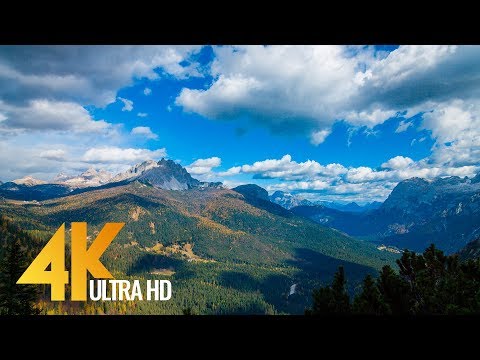
The Italian Alps are a breathtaking mountain range forming Italy's northern border, a dramatic confluence of natural beauty and rich cultural heritage. This region is defined by iconic peaks like the Dolomites, a UNESCO World Heritage site renowned for their pale, jagged spires that glow at sunset, and extends to the more rugged western ranges bordering France and Switzerland. Beyond the stunning vistas, the Italian Alps are dotted with charming villages, historic towns, and vibrant communities, each with distinct traditions, dialects, and culinary specialties shaped by centuries of isolation and interaction. Whether you're an avid mountaineer, a ski enthusiast, or simply seeking serene landscapes and authentic experiences, the Italian Alps offer a compelling destination with a Vibe Score of 85, reflecting its high cultural energy and enduring appeal.
🏔️ The Grand Overview: More Than Just Peaks
The Italian Alps aren't a monolithic entity; they're a sprawling, dramatic frontier where Italy's northern edge collides with some of Europe's most imposing peaks. Think less a single destination and more a collection of distinct mountain experiences, each with its own character, from the jagged, Dolomite spires to the classic, snow-capped giants of the Grappa and Adamello ranges. This is a playground for the adventurous, a sanctuary for nature lovers, and a culinary destination in its own right, offering a potent blend of physical challenge and refined Italian dolce vita. Whether you're a seasoned mountaineer or a casual observer seeking breathtaking vistas, the Italian Alps promise an unforgettable encounter with raw, majestic nature.
📍 Location & Access: Where the Alps Meet Italy
Stretching across Italy's northern border, the Italian Alps form a natural barrier with France, Switzerland, Austria, and Slovenia. Major access points are typically via international airports in cities like Milan (MXP), Turin (TRN), or Venice (VCE), followed by train or car journeys into the mountain valleys. Key regions include the Aosta Valley, Trentino-Alto Adige/Südtirol, Veneto, and Friuli-Venezia Giulia. Driving is often the most flexible way to explore, especially if you plan to hop between smaller villages, but Italy's efficient train network connects major towns like Bolzano and Aosta directly to the national rail system, offering a more sustainable travel option.
🗺️ Key Regions & Their Vibe Scores
The Aosta Valley (Vibe Score: 88) is the undisputed king of Italian mountaineering, home to Mont Blanc and the Matterhorn, offering challenging climbs and world-class skiing in resorts like Courmayeur and Cervinia. Trentino-Alto Adige/Südtirol (Vibe Score: 92) presents a unique blend of Italian and Austrian culture, famous for its distinctive Dolomite peaks, picturesque villages like Ortisei, and extensive hiking networks. Veneto (Vibe Score: 85) boasts the Dolomites around Cortina d'Ampezzo, a glamorous hub for skiing and alpine pursuits, while Friuli-Venezia Giulia (Vibe Score: 78) offers a wilder, less-trodden path with its own unique mountain character and proximity to the Julian Alps.
⛷️ Winter Sports: From Piste to Powder
Winter transforms the Italian Alps into a skier's paradise. Resorts like Cortina d'Ampezzo (Vibe Score: 90) in Veneto offer glamorous slopes and a sophisticated après-ski scene, while Sestriere (Vibe Score: 87) in the Piedmont region, part of the vast Via Lattea (Milky Way) ski area, provides extensive terrain for all levels. For those seeking off-piste adventures, the Dolomiti Superski area, spanning Trentino-Alto Adige and Veneto, offers over 1,200 km of interconnected pistes, renowned for their stunning scenery and efficient lift systems. Snow reliability is generally high from December to April, with many areas boasting snowmaking capabilities.
☀️ Summer Adventures: Hiking, Biking, and Beyond
When the snow melts, the Italian Alps reveal a different kind of magic. The hiking opportunities are virtually endless, from gentle valley strolls to challenging multi-day treks like the Alta Via 1 in the Dolomites. Mountain biking is also booming, with dedicated trails and bike parks emerging across regions like Trentino. Climbing enthusiasts will find world-class via ferratas and rock climbing routes, particularly in the Brenta Dolomites. The crisp, clean air and panoramic views make even a simple picnic feel like a gourmet experience.
🏡 Accommodation: From Rustic Rifugi to Luxury Chalets
Accommodation in the Italian Alps ranges from the charmingly rustic to the unapologetically luxurious. Rifugi (mountain huts) offer basic, communal lodging for hikers and climbers, providing a true alpine experience – think hearty meals and shared dormitories. Mid-range options include family-run pensioni and agriturismi (farm stays) in the valleys, while larger resorts like Madonna di Campiglio boast five-star hotels with spas and Michelin-starred restaurants. Booking well in advance is crucial, especially during peak ski season (December-March) and summer hiking months (July-August).
🍽️ Culinary Delights: Alpine Flavors You Can't Miss
The cuisine of the Italian Alps is hearty, comforting, and deeply rooted in local traditions. Expect robust dishes featuring polenta, game meats, mushrooms, and local cheeses like Fontina and Asiago. In South Tyrol, you'll find Austrian influences in dishes like canederli (bread dumplings) and strudel. Don't miss pizzoccheri, a buckwheat pasta dish from Valtellina, or polenta concia, a rich, cheesy polenta. Pair your meals with local wines, such as the crisp whites from Alto Adige or robust reds from the Aosta Valley.
💰 Pricing & Plans: Budgeting Your Alpine Escape
The cost of an Italian Alps trip can vary significantly. A budget-conscious hiker staying in rifugi and self-catering can expect to spend around €70-€100 per day. Mid-range travelers, opting for comfortable hotels and dining out regularly, might budget €150-€250 per day. Luxury travelers, seeking high-end resorts and fine dining, could easily spend €300+ per day. Ski passes are a significant expense, with a week in a major resort costing €300-€500 per person. Consider traveling in the shoulder seasons (late spring, early autumn) for lower prices and fewer crowds.
⭐ What People Say: The Collective Vibe
The collective vibe surrounding the Italian Alps is one of awe-inspiring natural beauty and exhilarating outdoor activity. Visitors consistently praise the stunning Dolomite landscapes, the quality of the skiing and hiking, and the delicious regional cuisine. The blend of Italian charm and Alpine robustness is a recurring theme in traveler feedback. However, some note that certain popular areas can become quite crowded during peak season, and the language barrier can occasionally be a minor challenge in more remote, German-speaking areas of South Tyrol. Overall, the sentiment leans heavily towards a highly rewarding and visually spectacular travel experience.
💡 Practical Tips: Making the Most of Your Trip
To make the most of your Italian Alps adventure, pack layers – mountain weather can change rapidly. Sturdy hiking boots are essential for summer, and waterproofs are a good idea year-round. For winter, thermal base layers, waterproof outerwear, and good gloves are non-negotiable. Learn a few basic Italian phrases, especially if venturing beyond the main tourist hubs. Always check weather forecasts and avalanche conditions before heading out on any significant trek or ski tour. Consider purchasing a regional travel pass if you plan extensive train travel.
🚀 Planning Your Ascent: Next Steps
Ready to experience the grandeur of the Italian Alps? Start by identifying which region best suits your interests – are you drawn to the dramatic spires of the Dolomites, the challenging peaks of the Aosta Valley, or the cultural fusion of South Tyrol? Research specific resorts or hiking routes that align with your fitness level and desired activities. Book your flights and accommodation well in advance, especially for peak seasons. For those seeking guided experiences, numerous local tour operators offer everything from ski instruction to multi-day trekking expeditions. Your alpine adventure awaits!
Key Facts
- Year
- 1861
- Origin
- The formation of the Italian Alps as a distinct geographical and cultural entity is intrinsically linked to the unification of Italy in 1861, though their geological origins stretch back millions of years. Prior to unification, the region was a patchwork of duchies, kingdoms, and imperial territories, each fostering unique local identities that persist today.
- Category
- Geography & Travel
- Type
- Geographic Region
Frequently Asked Questions
What is the best time of year to visit the Italian Alps?
The best time depends on your interests. For skiing and snowboarding, December to April offers the most reliable snow. For hiking, climbing, and mountain biking, June to September is ideal, with July and August being the busiest months. Shoulder seasons (May, October) offer fewer crowds and potentially lower prices but with more unpredictable weather.
Do I need to speak Italian to visit the Italian Alps?
While English is widely spoken in tourist areas, resorts, and hotels, knowing some basic Italian phrases is always appreciated and helpful, especially in smaller villages or when interacting with local businesses. In South Tyrol (Alto Adige), German is also commonly spoken and understood.
Are the Italian Alps suitable for families?
Absolutely. Many resorts offer family-friendly activities, ski schools for children, and easier hiking trails. Areas like Val Gardena and Alta Badia are particularly well-regarded for family holidays, offering a mix of adventure and comfort.
What are the main differences between the Italian Alps and the Swiss Alps?
While both offer stunning mountain scenery, the Italian Alps often provide a more rustic and perhaps less polished experience compared to the highly organized Swiss Alps. Italian cuisine is a significant draw, and prices can sometimes be more accessible. The cultural blend, particularly in South Tyrol, is unique to Italy.
What kind of gear do I need for hiking in the Italian Alps?
Essential gear includes sturdy, broken-in hiking boots, moisture-wicking clothing layers, a waterproof and windproof jacket, a backpack, a hat, sunglasses, and sunscreen. For higher altitudes or longer treks, trekking poles, a detailed map, compass or GPS device, and a first-aid kit are recommended.
Are there any specific safety concerns I should be aware of?
Mountain safety is paramount. Always check the weather forecast and avalanche reports before venturing out. Inform someone of your planned route and expected return time. Be aware of altitude sickness if ascending rapidly. Stick to marked trails unless you are an experienced mountaineer with proper navigation skills. In winter, ski resort safety rules should be followed.