
Contents
Overview
iTunes was first released by Apple on January 9, 2001, as a music player for Mac computers. It was developed from SoundJam MP, a program Apple acquired in 2000. Initially focused on music organization and playback, iTunes quickly evolved into a comprehensive media management platform. The introduction of the iTunes Store in 2003 marked a significant turning point, enabling users to legally purchase and download individual songs and albums, fundamentally altering music distribution and consumption. This move, spearheaded by Apple CEO Steve Jobs, was a direct response to the burgeoning digital music landscape and the challenges posed by piracy, as highlighted by the success of platforms like Napster. The subsequent release of the iPod in October 2001, which seamlessly integrated with iTunes, further cemented Apple's dominance in the digital music market, creating a powerful ecosystem for users.
⚙️ How It Works
At its core, iTunes served as a digital jukebox, allowing users to import music from CDs, organize their libraries with metadata such as artist, album, and genre, and create custom playlists. The software also facilitated synchronization with Apple's portable devices, most notably the iPod, iPhone, and iPad, enabling users to carry their entire music collections with them. The iTunes Store offered a vast catalog of music, movies, TV shows, and audiobooks for purchase, with songs typically priced at $0.99. For Windows users, iTunes was released in October 2003, significantly expanding its user base. Over time, iTunes incorporated features like podcast support, video playback, and eventually, integration with cloud services like iCloud through iTunes Match and Apple Music, aiming to provide a unified entertainment experience across devices.
🌍 Cultural Impact
iTunes played a crucial role in the Digital Music Revolution, shifting the music industry from physical sales of albums to digital downloads of individual tracks. This change democratized music access and consumption, allowing users to curate their own collections more affordably than purchasing entire albums. The 99-cent song price point, introduced by the iTunes Store, became a benchmark for digital music sales and influenced pricing models across the industry. However, this shift also led to significant disruption for record labels and artists, who had to adapt to new revenue streams and distribution methods. The platform's success also foreshadowed the rise of streaming services like Spotify and Apple Music, which would further transform how people interact with music, as discussed in analyses of the music industry's evolution.
🔮 Legacy & Future
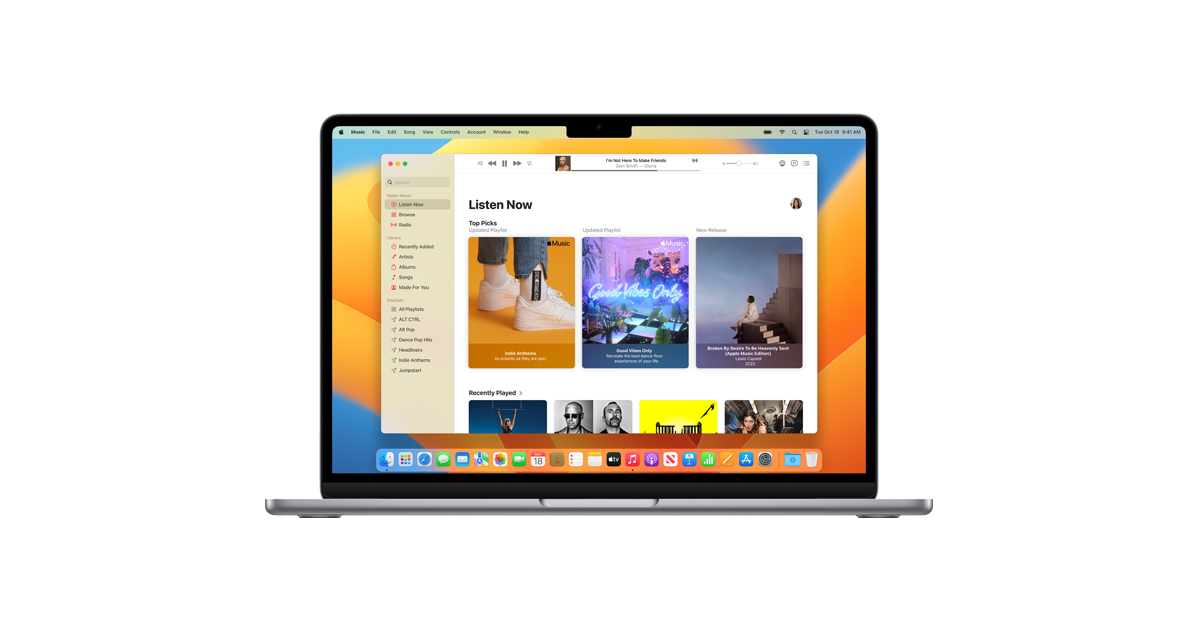
In 2019, Apple began phasing out iTunes on new macOS versions, replacing it with separate applications for Music, TV, and Podcasts, while device management was integrated into Finder. This move aimed to streamline the user experience and reflect the changing landscape of digital media consumption. iTunes for Windows continues to be supported, though it has also seen features split into dedicated apps like Apple Music and Apple TV for Windows. The legacy of iTunes lies in its pioneering role in digital music sales and its influence on the development of music streaming platforms. While the original iTunes application is being retired on macOS, its impact on the music industry and digital media consumption remains undeniable, setting the stage for the current era of on-demand entertainment.
Section 5
The iTunes Store, launched in 2003, revolutionized music sales by offering individual songs for purchase, a model that significantly impacted the music industry. This move, championed by Steve Jobs, provided a legal alternative to rampant music piracy prevalent on platforms like Napster. The store's success, selling over a million songs in its first week, demonstrated a strong consumer demand for digital music. Over time, the iTunes Store expanded to include movies, TV shows, audiobooks, and apps, becoming a central hub for digital content. While Apple Music has largely superseded iTunes for music streaming, the iTunes Store's legacy as a pioneer in digital media commerce is undeniable, influencing the business models of companies like Spotify and Google Play Music.
Key Facts
- Year
- 2001
- Origin
- Cupertino, California, USA
- Category
- technology
- Type
- product
Frequently Asked Questions
What was the original purpose of iTunes?
The original purpose of iTunes, launched in January 2001, was to serve as a digital music player and library organizer for Mac computers. It allowed users to import music from CDs, manage their music collections, create playlists, and sync them with portable devices like the iPod.
When was the iTunes Store launched, and what was its significance?
The iTunes Store was launched in April 2003. Its significance lies in its pioneering role in offering legal digital music downloads for purchase, typically at $0.99 per song. This model revolutionized music distribution, provided a legal alternative to piracy, and profoundly impacted the music industry by shifting focus from album sales to single-track purchases.
Why did Apple replace iTunes with separate apps on macOS?
In 2019, with the release of macOS Catalina, Apple replaced iTunes with three dedicated applications: Apple Music, Apple TV, and Apple Podcasts. This decision was made to streamline the user experience, as iTunes had become a monolithic application with many functions. Separating these features aimed to provide more focused and modern interfaces for each type of media consumption.
Is iTunes still available for Windows?
Yes, iTunes is still available for Windows computers. While newer versions of Windows 10 and later can utilize dedicated Apple Music, Apple TV, and Apple Devices apps, users with PCs that don't support these newer apps can continue to use iTunes for Windows. However, even on Windows, Apple has been splitting functionalities into separate apps, with iTunes primarily handling podcasts and audiobooks.
How did iTunes contribute to the Digital Music Revolution?
iTunes was instrumental in the Digital Music Revolution by popularizing the purchase and ownership of digital music files. By providing a user-friendly interface, a vast library of purchasable content through the iTunes Store, and seamless integration with the iPod, iTunes made digital music accessible and convenient for millions, fundamentally changing how music was distributed, consumed, and valued.