
Contents
Overview
Jamaican folk culture is the vibrant, living expression of the island's history, a potent blend of African, European, and indigenous Taino influences. It's not a static museum piece but a dynamic force shaping daily life, from the spiritual practices of Convince to the infectious rhythms of Mento Music. This culture encompasses everything from proverbs and folktales to music, dance, art, and culinary traditions, all imbued with a unique Jamaican spirit. Understanding it requires looking beyond the surface-level tourist experiences to appreciate the deep roots and ongoing evolution of these traditions. It's a culture that speaks volumes through its resilience and creativity.
🗺️ Where to Experience It
While you can find echoes of folk culture across the entire island, certain locations offer concentrated experiences. The National Heritage Week in October is a prime time, with events often held at the Institute of Jamaica in Kingston. Rural communities, particularly in parishes like St. Elizabeth and Portland, often preserve older traditions more overtly. Visiting local markets, community centers, and attending village festivals (when available) provides authentic glimpses. For a structured immersion, look for cultural tours that prioritize community engagement over staged performances. These often require advance booking and may involve travel outside major tourist hubs.
🎶 The Rhythms of Life: Music & Dance
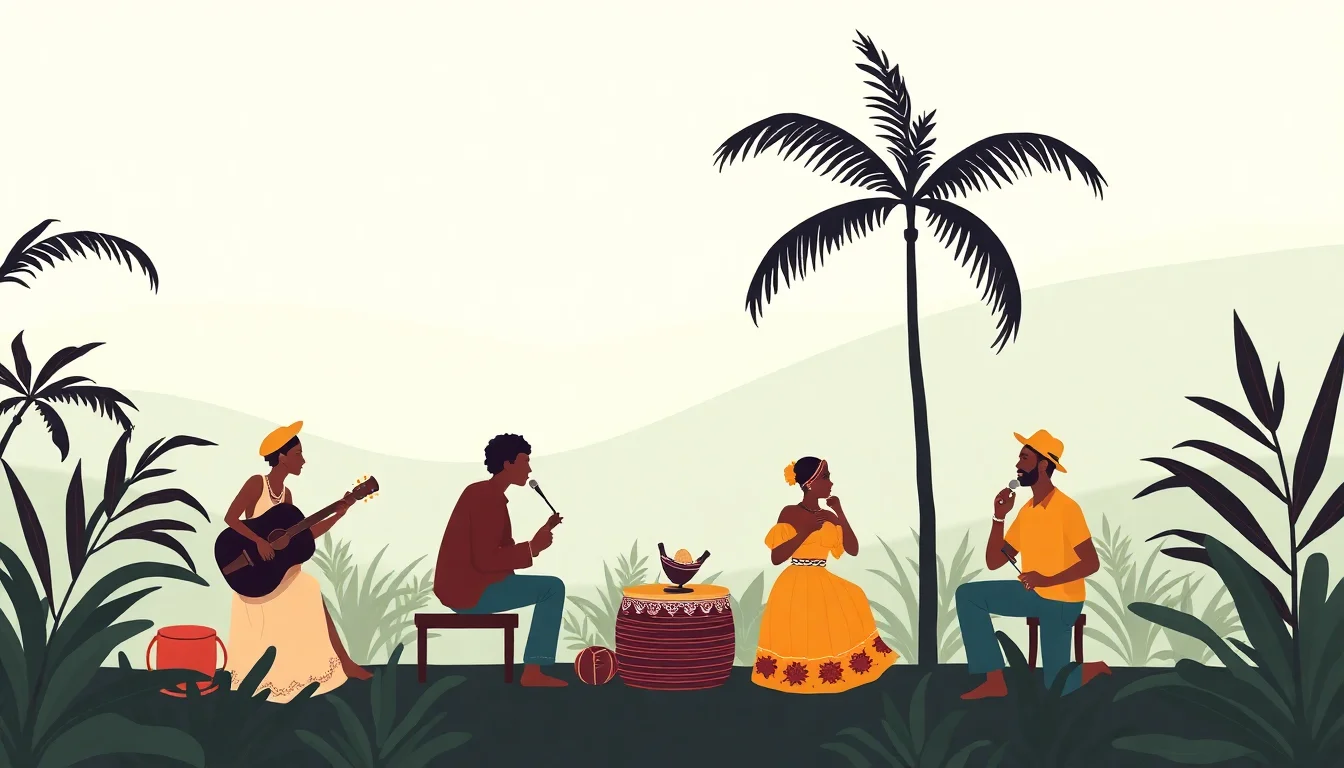
Music and dance are the pulsating heart of Jamaican folk culture. Mento Music, the island's earliest indigenous folk genre, laid the groundwork for later developments like Ska Music and Reggae. Traditional dances, often performed at celebrations and spiritual gatherings, are characterized by their energetic, expressive movements, frequently drawing from African diasporic forms. Think of the lively Bruckins Party or the more spiritual Dinki Mini. These aren't just performances; they are communal expressions of joy, sorrow, and spiritual connection, often accompanied by call-and-response singing and percussive rhythms.
🗣️ Storytelling & Oral Traditions
The power of the spoken word is immense in Jamaican folk culture, a direct legacy of oral traditions passed down through generations. Anansi the Spider stories, originating from West African folklore, are a cornerstone, teaching moral lessons through cunning and wit. Proverbs, known locally as 'patois sayings' or 'ole talk,' offer concise wisdom on life, relationships, and society. These sayings are not mere quaint phrases; they are embedded in everyday conversation, providing a rich linguistic and philosophical framework. Listening to elders share these narratives offers profound insights into the Jamaican worldview.
🎭 Performance & Ritual
Performance and ritual are integral to the social and spiritual fabric. Jonkunnu (or John Canoe), a vibrant masquerade tradition with roots in West African masquerades and Caribbean slave rebellions, is a spectacular example, often performed around Christmas. Rastafari Movement ceremonies, while a modern religious movement, draw heavily on folk elements and spiritual practices, including drumming and chanting. These performances are often participatory, blurring the lines between performer and audience, and serve to reinforce community bonds and transmit cultural knowledge.
🎨 Visual Arts & Crafts
Jamaican folk art and crafts are as diverse as the island's people. From the intricate carvings and paintings found in local craft markets to the functional beauty of woven baskets and pottery, these creations reflect a deep connection to materials and tradition. Bongo drumming often inspires visual art, as do biblical themes and depictions of daily life. While some art is produced for the tourist market, many artisans continue to create pieces rooted in ancestral techniques and aesthetic sensibilities. Look for items made from natural materials like calabash, wood, and straw for a more authentic connection.
🍲 Food as Culture
Food is inseparable from Jamaican folk culture, serving as a vehicle for storytelling, community building, and spiritual observance. Traditional dishes like Ackee and Saltfish, Callaloo, and Gungo Peas are more than just meals; they are culinary touchstones connecting people to their heritage. The preparation and sharing of food, especially during festivals and family gatherings, reinforce social bonds. Even street food, like Gizzada and Grater Cake, carries the weight of tradition and local ingenuity. Understanding the ingredients and preparation methods offers a delicious entry point into the culture.
⚖️ Debates & Evolution
The evolution of Jamaican folk culture is a constant source of debate. Some argue that globalization and commercialization are diluting authentic traditions, turning them into commodities for tourists. Others contend that folk culture is inherently adaptable, and its ability to absorb and transform external influences is a sign of its vitality. The National Dance Theatre Company of Jamaica (NDTC), for instance, has been instrumental in reinterpreting folk forms for the stage, sparking discussions about authenticity versus artistic innovation. The ongoing tension between preservation and adaptation defines much of the discourse.
💡 Practical Tips for Engagement
When engaging with Jamaican folk culture, approach with respect and an open mind. Be mindful that many traditions are deeply spiritual; observe respectfully and ask permission before photographing people or ceremonies. Learning a few basic phrases in Jamaican Patois can go a long way in fostering connection. Seek out local guides or cultural practitioners who can offer authentic insights, rather than relying solely on mass-market tours. Support local artisans and performers directly by purchasing their work or attending community events.
🚀 Getting Started
To begin your exploration, start by familiarizing yourself with key Jamaican cultural touchstones like Reggae Music and Jamaican Patois. Visit the Institute of Jamaica in Kingston for a foundational understanding of the island's history and culture. Seek out local festivals and community events, especially during National Heritage Week. Consider taking a guided cultural tour that emphasizes community interaction and authentic experiences. For direct engagement, look for workshops or performances in music, dance, or storytelling. Connect with cultural organizations on the island to learn about ongoing initiatives and events.
Key Facts
- Year
- 2023
- Origin
- Jamaica
- Category
- Cultural Studies
- Type
- Cultural Phenomenon
Frequently Asked Questions
What is the difference between Jamaican folk culture and mainstream Jamaican culture?
Jamaican folk culture represents the older, often rural, traditions passed down orally and through practice, deeply rooted in African diasporic heritage. Mainstream Jamaican culture, while influenced by folk traditions, also incorporates modern global trends, urban influences, and broader societal shifts. Folk culture is the bedrock, while mainstream culture is the evolving edifice built upon it, often seen in music genres like Reggae Music and everyday language like Jamaican Patois.
Is Jamaican folk culture still relevant today?
Absolutely. While some traditions may be less visible in urban centers, they remain vital in rural communities and continue to influence contemporary Jamaican arts, music, and social practices. The Rastafari Movement, for example, heavily draws on and perpetuates folk elements. Furthermore, the resilience and adaptability of folk culture ensure its continued relevance as a source of identity and expression for Jamaicans.
How can I respectfully experience Jamaican folk music and dance?
Seek out performances at community centers, cultural festivals, or through reputable cultural tour operators that prioritize authentic engagement. Be attentive and respectful during performances, especially those with spiritual significance like Dinki Mini. If possible, engage with local musicians and dancers, ask questions about their traditions, and support their work by purchasing music or attending events. Avoid intrusive photography without permission.
Where can I find authentic Jamaican folk art?
Look for craft markets in smaller towns and villages, or inquire at cultural centers like the Institute of Jamaica. While tourist hubs have art, it's often mass-produced. Seek out artisans who work with traditional materials like wood, straw, or calabash, and whose work reflects local motifs and techniques. Engaging directly with artists can provide deeper insight into their craft and its cultural significance.
Are there specific times of year to experience Jamaican folk culture?
Yes, National Heritage Week in October is a significant period with numerous cultural events across the island. The Christmas season is also important, particularly for traditions like Jonkunnu. Local festivals and community celebrations, often tied to religious holidays or harvest times, are excellent opportunities to witness folk culture in action, though these may require local knowledge to find.
What is the role of [[Jamaican Patois]] in folk culture?
Jamaican Patois is the primary linguistic vehicle for much of Jamaican folk culture. Proverbs, folktales like those of Anansi the Spider, songs, and everyday conversation are deeply embedded in Patois. It carries the nuances, humor, and historical weight of the island's oral traditions. Understanding Patois is crucial for a deeper appreciation of the richness and expressiveness of Jamaican folk culture.