
Contents
Overview
Japan's ski industry is a colossal force, driven by abundant snowfall and a unique cultural embrace of winter sports. Statistics reveal a nation that consistently ranks among the world's top ski destinations, attracting millions of domestic and international visitors annually. The sheer volume of snowfall, particularly in regions like Hokkaido and the Japanese Alps, fuels a robust market for resorts, equipment, and tourism. Key metrics such as visitor numbers, revenue generated, and snow depth are crucial indicators of the industry's health and its significant economic contribution to local communities. Understanding these statistics provides a window into the enduring appeal and operational scale of skiing in Japan, from its historical roots to its modern, globalized present.
🎵 Origins & History
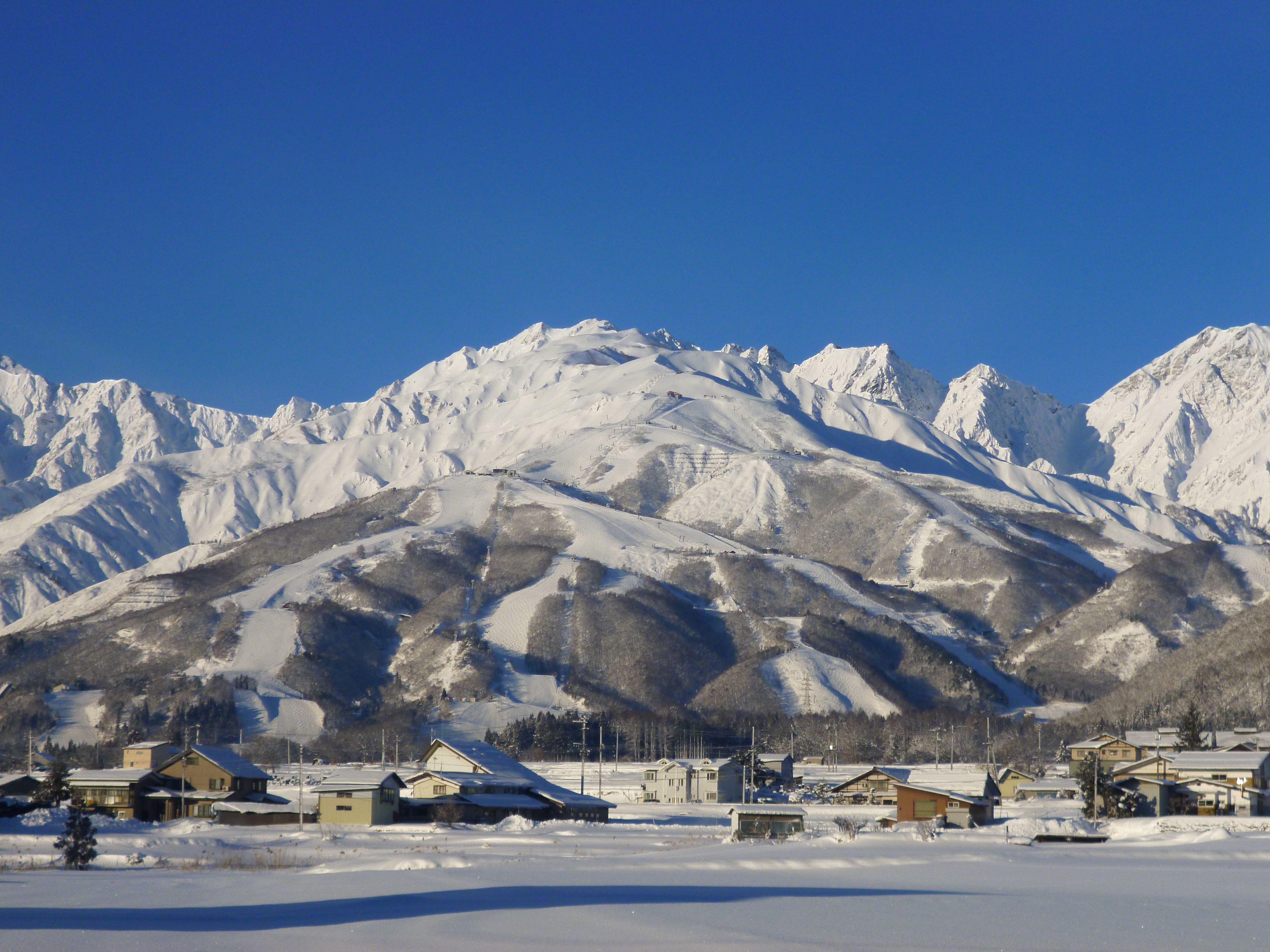
Skiing gradually transitioned into a recreational pursuit. Post-World War II, this era saw the construction of numerous resorts, fueled by domestic demand and a burgeoning ski culture. The 1972 Winter Olympics in Sapporo further cemented skiing's place in the national consciousness, though it was the 1998 Winter Olympics in Nagano that truly showcased Japan's alpine capabilities to the world, with venues like Hakuba becoming internationally recognized. The subsequent decades saw a diversification of the market, with an increasing focus on inbound tourism.
⚙️ How It Works
Japan's ski statistics are fundamentally shaped by its unique geography and climate. The country's mountainous terrain, stretching from north to south, combined with its position in the path of Siberian winter weather systems, results in exceptionally heavy snowfall, particularly on the Sea of Japan side. This natural advantage is leveraged by ski resorts, ranging from small, local hills to vast, interconnected complexes like Niseko United. The operational model typically involves lift ticket sales, equipment rentals, ski schools, and accommodation, with many resorts offering extensive après-ski facilities. The 'Japow' phenomenon, referring to Japan's famed dry, powdery snow, is a critical factor driving international visitor numbers, especially from Australia, North America, and East Asia. Data collection often focuses on metrics like daily visitor counts, average snow depth per resort, and the length of the ski season.
📊 Key Facts & Numbers
Japan's ski industry is a multi-billion dollar enterprise. Visitor numbers have been impacted by global events, but inbound tourists account for a significant portion, particularly in Hokkaido. Niseko reportedly saw over 60% of its visitors in the 2023-24 season were international. Snowfall records are a constant point of interest; Hakuba Valley reportedly recorded significant snowfall during the 2024-25 winter season. The average ski season length across Japan is around 100-120 days, though this can vary significantly by region and altitude. The number of ski resorts has seen a slight decline from its peak in the 1990s, with consolidation and closures occurring, but the total number still hovers around 500.
👥 Key People & Organizations
Key players in the Japanese ski statistics landscape include the Japan Ski Resort Association (JSRA), which compiles industry-wide data and advocates for the sector. Major resort operators like Hoshino Resorts (managing brands such as Hoshino Resorts TOMAMU) and Niseko Alpine Development (operating Niseko United) are significant entities whose performance metrics are closely watched. The Japan National Tourism Organization (JNTO) plays a crucial role in promoting Japan as a ski destination, influencing inbound visitor statistics. Local governments in prefectures like Nagano and Hokkaido also contribute data and support for their respective ski regions. Individual resort managers and snow forecasters, such as those at JMA-affiliated services, are vital for real-time data dissemination.
🌍 Cultural Impact & Influence
The cultural impact of skiing statistics in Japan is profound. The 'Japow' narrative, heavily supported by consistent snowfall data, has transformed Japan into a bucket-list destination for skiers worldwide. This influx of international visitors has led to significant economic benefits for local communities, but also to cultural shifts and, at times, tensions. The statistics highlight a growing reliance on international tourism, which can make the industry vulnerable to global events, as seen during the COVID-19 pandemic. Furthermore, the data reflects a generational shift, with younger Japanese skiers increasingly drawn to freeride and backcountry experiences, influencing resort development and safety statistics. The image of Japan as a winter wonderland, reinforced by reliable snow data, is a powerful aspect of its global cultural branding.
⚡ Current State & Latest Developments
The ski industry experienced a recovery in recent years, with many resorts reporting strong visitor numbers and revenue. Niseko reportedly experienced a particularly strong season, with international bookings surging. However, challenges persist. Rising operational costs, including energy prices and labor shortages, are impacting profitability for smaller resorts. There's also a growing emphasis on sustainability, with resorts increasingly investing in eco-friendly practices and reporting on their environmental impact. The development of new infrastructure, such as high-speed gondolas and improved transportation links to remote resorts, continues to be a focus. The ongoing debate about managing overtourism in popular areas like Niseko is also shaping current developments, with some resorts implementing reservation systems or visitor caps.
🤔 Controversies & Debates
A persistent controversy revolves around the sustainability of Japan's ski industry, particularly concerning its environmental footprint and the impact of climate change on snowfall patterns. While recent seasons have been bountiful, long-term trends suggest potential reductions in snow depth and season length, which could drastically alter ski statistics. Another debate centers on the economic disparity between large, internationally-focused resorts and smaller, domestically-oriented ones, with the latter often struggling to compete. The 'Japow' hype, while beneficial for tourism, sometimes leads to unrealistic expectations and safety issues, particularly for inexperienced backcountry skiers. Furthermore, the increasing cost of lift tickets and accommodation is raising concerns about accessibility and affordability for domestic skiers.
🔮 Future Outlook & Predictions
The future of Japan ski statistics is likely to be shaped by climate change mitigation efforts and technological advancements. Resorts that can adapt to warmer winters and potentially less snow will thrive, possibly by diversifying into year-round activities or focusing on snow-making technologies. The continued growth of inbound tourism is expected, though potentially at a slower pace, with a greater emphasis on niche markets like luxury travel and cultural experiences. Data analytics will play an increasingly vital role, with resorts using AI to optimize operations, predict snow conditions, and personalize visitor experiences. The development of new high-speed rail links and improved accessibility to less-developed ski regions could unlock new statistical growth areas. There's also a growing interest in promoting less-crowded, 'off-the-beaten-path' destinations to alleviate pressure on established hubs like Niseko and Hakuba.
💡 Practical Applications
Japan ski statistics have direct practical applications in tourism planning, infrastructure development, and economic forecasting. For potential visitors, snow depth and season length data are critical for planning trips and maximizing ski opportunities. Resort operators use visitor numbers and revenue statistics to inform business strategies, marketing campaigns, and investment decisions. Local governments rely on these figures to assess the economic impact of tourism and plan for infrastructure improvements, such as transportation and accommodation. The data also informs environmental impact assessments and guides sustainability initiatives within the industry. For equipment manufacturers and retailers, ski statistics help predict market demand and tailor product offerings.
Key Facts
- Category
- culture
- Type
- topic