
Contents
Overview
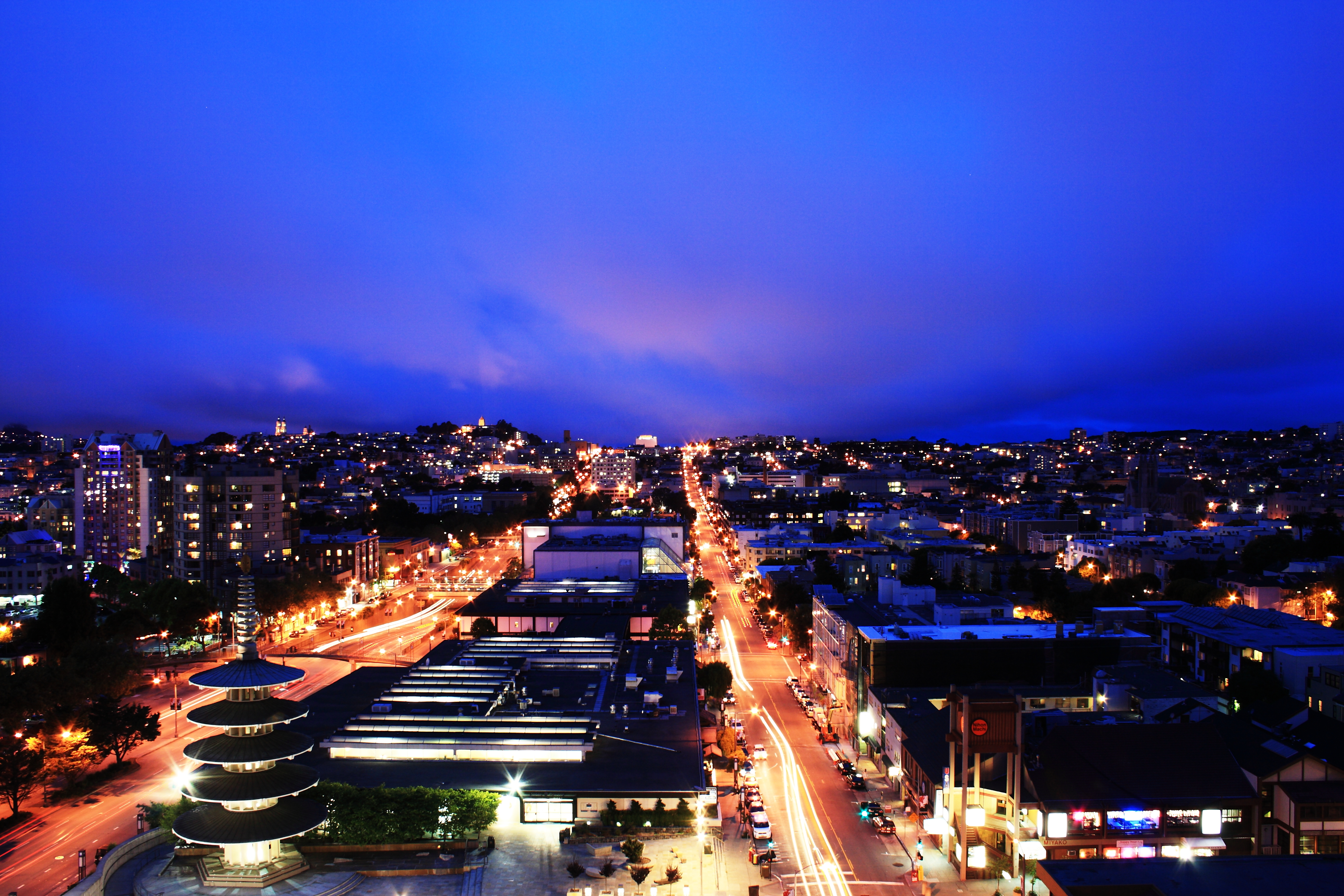
San Francisco's Japantown, or 'J-Town,' is one of the three remaining historic Japantowns in the United States, a vibrant testament to Japanese American history and culture. Despite facing significant challenges, including post-WWII redevelopment and the ongoing threat of displacement, it continues to be a vital hub for community, commerce, and cultural expression. From its iconic Peace Pagoda to its diverse array of shops, restaurants, and cultural institutions, Japantown offers a unique glimpse into a rich heritage that has shaped and continues to enrich the city. Navigating its streets means engaging with a living history, where tradition meets contemporary life, and the spirit of resilience is palpable.
📍 Location & Access
Japantown, officially known as the Japantown Peace Plaza, is nestled in the Western Addition neighborhood of San Francisco, roughly bordered by Geary Boulevard, Post Street, Fillmore Street, and Laguna Street. It's easily accessible via public transit; the Muni Metro N Judah line stops nearby at the Civic Center station, and numerous bus lines, including the 5 Fulton and 38 Geary, run directly through or adjacent to the area. Driving is an option, with parking garages available, but be prepared for typical city traffic and parking costs. The neighborhood's compact nature makes it highly walkable once you arrive, allowing for an immersive experience without constant transit hopping.
✨ The Vibe: More Than Just Sushi
The Vibe score for Japantown, San Francisco, hovers around a solid 75/100, a testament to its enduring cultural significance despite facing historical challenges. It's a place where the echoes of Japanese American history, particularly the internment during WWII, meet the vibrant present of anime, manga, and modern Japanese pop culture. This isn't just a tourist spot; it's a living, breathing community center for many, offering a unique blend of tradition and contemporary trends. You'll feel the pulse of a community striving to maintain its identity in a rapidly changing city, a tension that adds a compelling layer to its atmosphere.
🛍️ Shopping: From Anime to Artisanal
Shopping in Japantown is a treasure hunt for enthusiasts of Japanese goods. The Japan Center Malls, a complex of three interconnected malls (Peace Plaza, Kinokuniya, and Miyako), are the epicenter. Here, you'll find everything from the latest manga and anime merchandise at stores like Kinokuniya to traditional ceramics, tea sets, and intricate stationery. Don't miss Ichiban Kan for quirky housewares and gifts, or the unique selection of Japanese snacks and candies. For a more curated experience, explore smaller boutiques scattered throughout the neighborhood offering artisanal crafts and specialty items.
🍜 Eating: A Culinary Deep Dive
When hunger strikes, Japantown offers an authentic taste of Japan that goes far beyond the ubiquitous sushi roll. Ramen lovers flock to Marufuku Ramen for its rich, flavorful broth, while Daikokuya is a long-standing favorite for perfectly crisp tempura. For a more casual bite, explore the food court within the Japan Center Malls, featuring everything from udon noodles to bento boxes. Don't overlook the bakeries like Benkyodo Company, a historic spot famous for its mochi and manju, or the Japanese dessert cafes offering matcha-flavored treats and delicate pastries.
🎭 Culture & Community Hubs
Japantown serves as a vital cultural anchor, most notably through the Japan Center itself, which houses community spaces and hosts events. The JCCCNC is another cornerstone, offering classes, exhibitions, and programs that preserve and promote Japanese culture. Keep an eye out for seasonal festivals like the Northern California Cherry Blossom Festival held each spring, which transforms the plaza into a vibrant celebration of Japanese heritage, drawing thousands and showcasing traditional music, dance, and food.
💡 Practical Tips for Your Visit
Navigating Japantown is straightforward, but a few tips can enhance your visit. Weekends are busiest, especially during festivals or popular meal times, so consider a weekday visit for a more relaxed experience. Many shops and restaurants have specific hours, so it's wise to check in advance, particularly if you're planning a late meal or early shopping spree. While cash is accepted, many establishments now prefer or only accept cards. Wear comfortable shoes, as you'll likely be doing a lot of walking between the malls and surrounding streets.
⭐ What People Say: A Quick Scan
Visitor feedback consistently highlights Japantown's authentic atmosphere and the quality of its food offerings. "It feels like a little piece of Tokyo in San Francisco," is a common sentiment, reflecting the immersive experience many seek. Shoppers often praise the unique selection of goods not found elsewhere in the city, particularly for anime and manga enthusiasts. Some reviews mention that certain areas can feel a bit dated, a point of contention in the ongoing debate about modernization versus preservation. However, the overwhelming consensus points to a strong sense of community and cultural pride that resonates with visitors.
🚀 Getting Started: Your First Steps
To begin your exploration of Japantown, San Francisco, start by heading to the Japan Center Malls at the heart of the neighborhood. Familiarize yourself with the layout, noting the locations of key shops like Kinokuniya and restaurants such as Marufuku Ramen. Check the event calendar for the JCCCNC to see if any special programming aligns with your visit. For direct inquiries about specific businesses or events, contacting the Japantown Business Association can provide the most up-to-date information.
Key Facts
- Year
- 1860
- Origin
- San Francisco, California
- Category
- Neighborhood Guide
- Type
- Neighborhood
Frequently Asked Questions
What is the best time of year to visit Japantown?
The Northern California Cherry Blossom Festival, held in April, is a major highlight and offers a vibrant cultural experience. However, for a less crowded visit, consider a weekday in the spring or fall. Even outside of festivals, Japantown maintains a unique atmosphere year-round, with shops and restaurants offering consistent quality.
Is Japantown safe for tourists?
Japantown is generally considered safe for visitors. Like any urban neighborhood, it's advisable to be aware of your surroundings, especially after dark. The main commercial areas within the Japan Center Malls are well-lit and patrolled. The community is actively engaged in maintaining a welcoming environment for all.
What are the must-try foods in Japantown?
Beyond sushi, you absolutely must try ramen from places like Marufuku Ramen, tempura from Daikokuya, and traditional Japanese sweets from Benkyodo Company. Don't shy away from the bento boxes and udon noodles available in the food courts for a quick and authentic meal.
Are there any historical sites or museums in Japantown?
While not a large museum district, Japantown is steeped in history. The JCCCNC often hosts exhibits related to Japanese American history and culture. The very existence of Japantown is a testament to the resilience of the community, especially following the internment of Japanese Americans during World War II.
Can I find authentic Japanese groceries in Japantown?
Yes, you can find authentic Japanese groceries. While Kinokuniya primarily focuses on books and gifts, there are smaller specialty shops and markets within or near the Japan Center Malls that offer a selection of Japanese ingredients, snacks, and beverages for those looking to cook at home.
What is the difference between the Japan Center Malls?
The Japan Center Malls are actually three distinct but interconnected malls: the Peace Plaza (the central outdoor area), Kinokuniya Mall (anchored by the bookstore), and Miyako Mall (which includes the hotel and some retail). They collectively form the commercial heart of Japantown.