
Contents
Overview
Jazz hip hop, a vibrant subgenre of alternative hip hop, emerged in the late 1980s and early 1990s as a deliberate fusion of the improvisational spirit of jazz music with the rhythmic foundations of hip hop. It’s not just a superficial blend; it’s an intricate dialogue between eras, an attempt to honor and revitalize the rich heritage of Black American music while pushing the boundaries of contemporary sound. Think of it as a sonic handshake between a smoky basement club and a bustling city street corner, where the soulful melodies of the past meet the urgent pulse of the present. This genre offers a sophisticated, often introspective, listening experience that appeals to those seeking depth and musicality in their hip hop.
📈 Origins and Evolution
The genesis of jazz hip hop can be traced to a conscious effort by artists to bridge the perceived gap between older Black musical traditions and the burgeoning hip hop scene. Pioneers like A Tribe Called Quest and Gang Starr began incorporating jazz samples and live instrumentation into their beats, creating a sound that was both familiar and groundbreaking. This movement wasn't just about sampling; it was about a deeper engagement with jazz's harmonic complexity and improvisational ethos. The early 90s saw this fusion blossom, with albums like A Tribe Called Quest's The Low End Theory (1991) and Digable Planets' Reachin' (A New Refutation of Time and Speed) (1993) becoming seminal works, solidifying jazz hip hop's place in the musical canon.
⭐ Key Artists and Albums
The pantheon of jazz hip hop is graced by a constellation of influential artists. A Tribe Called Quest, with their intricate lyrical interplay and innovative use of jazz samples, are arguably the genre's most iconic torchbearers. Gang Starr, particularly the duo of Guru and DJ Premier, brought a more hard-hitting, yet equally jazzy, sensibility with albums like Daily Operation (1992). Digable Planets offered a cooler, more laid-back vibe, while De La Soul's early work, especially 3 Feet High and Rising (1989), laid crucial groundwork with its eclectic sampling and positive messaging. Other vital contributors include The Roots, whose live instrumentation set them apart, and Us3, known for their chart-topping hit "Cantaloop (Flip Fantasia)".
🎷 Sonic Characteristics
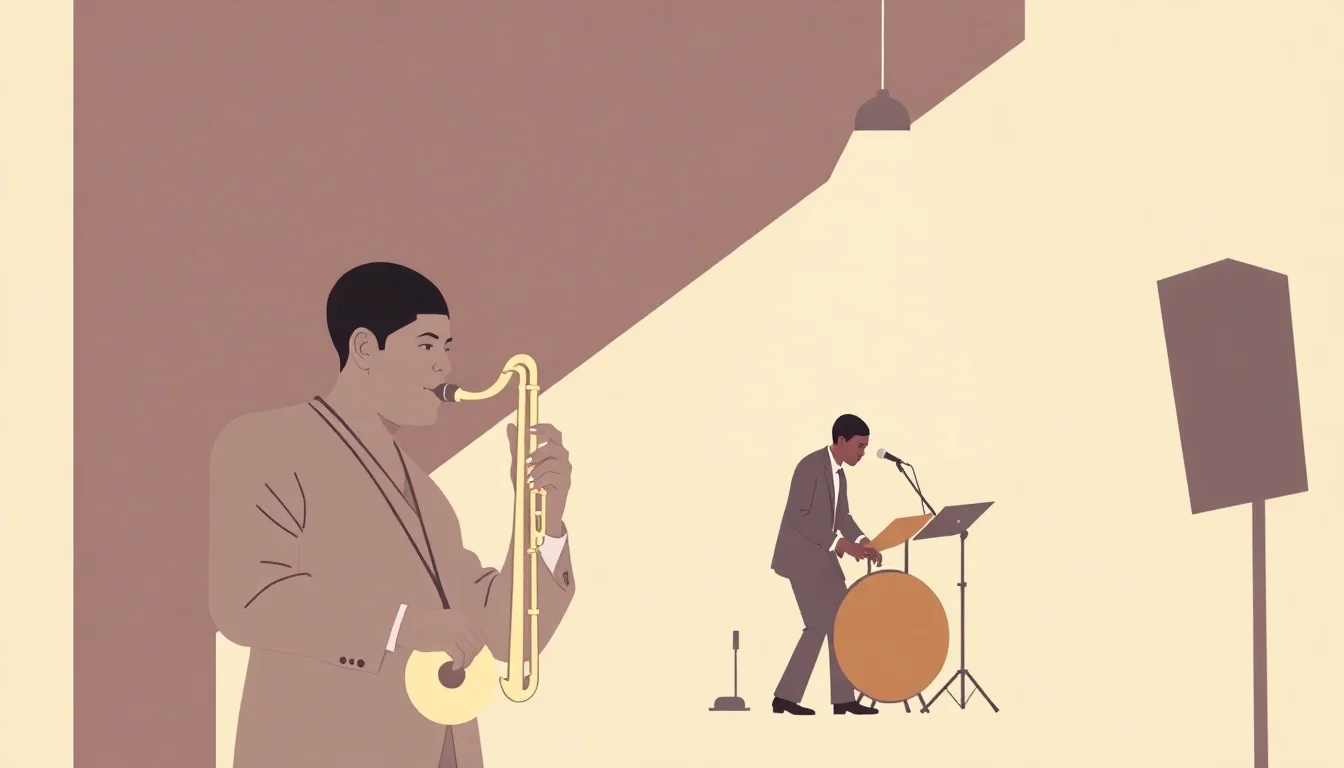
At its core, jazz hip hop is defined by its distinctive sonic palette. The rhythmic backbone is firmly rooted in hip hop's characteristic beats, often featuring laid-back tempos and intricate drum programming. Layered over this are repetitive, yet evocative, phrases drawn from jazz instrumentation – think smooth trumpet solos, walking double bass lines, mellow saxophone melodies, and soulful piano chords. The vocal delivery can range from conversational flows to more melodic, almost sung, passages. The production often emphasizes a warm, organic sound, eschewing the harsher electronic textures found in some other hip hop subgenres, creating an atmosphere that is both sophisticated and accessible.
🌍 Cultural Impact and Legacy
The cultural impact of jazz hip hop extends far beyond its musical innovations. It served as a vital bridge, introducing a new generation to the rich history of jazz and demonstrating its continued relevance. This genre fostered a sense of intellectualism and artistic integrity within hip hop, challenging perceptions and expanding its creative potential. Its influence can be seen in subsequent genres and artists who embrace musical complexity and genre-bending. The emphasis on thoughtful lyricism and positive social commentary also resonated deeply, contributing to a more nuanced portrayal of Black culture in music. Its legacy continues to inspire artists to explore diverse musical influences.
🤔 Debates and Controversies
One of the primary debates surrounding jazz hip hop centers on authenticity and appropriation. Critics sometimes question whether artists were truly engaging with jazz or merely using it as a convenient sonic texture. The line between respectful homage and superficial sampling can be a fine one, and discussions often arise about the depth of understanding and appreciation for the jazz tradition among hip hop producers. Another point of contention can be the genre's perceived 'softness' or 'commercial appeal' compared to more aggressive hip hop styles, leading some to dismiss its artistic merit. However, proponents argue that the genre's innovation lies precisely in its ability to synthesize disparate musical worlds.
💡 Vibepedia Vibe Score
Vibepedia Vibe Score: 78/100
Perspective Breakdown: * Optimistic: Jazz hip hop represents a high point of musical synthesis, demonstrating the boundless creative potential when diverse genres and historical traditions are respected and interwoven. It’s a testament to the enduring power of Black American music to evolve and inspire. (Vibe Score: 85) * Neutral: A significant subgenre that successfully blended jazz elements with hip hop beats, achieving considerable critical and commercial success in the 1990s, influencing subsequent musical trends. (Vibe Score: 70) * Pessimistic: While initially innovative, the genre's reliance on sampling could sometimes lead to a dilution of both jazz and hip hop's core elements, and its mainstream success may have overshadowed more experimental or underground explorations. (Vibe Score: 65) * Contrarian: Jazz hip hop's "sophistication" is often overstated; its true genius lies in its accessible, often loop-based, approach that democratized jazz elements for a mass audience, rather than a deep scholarly engagement. (Vibe Score: 75)
🚀 Where to Explore Jazz Hip Hop Now
To immerse yourself in the world of jazz hip hop, start with the foundational albums: A Tribe Called Quest's The Low End Theory and Midnight Marauders, Gang Starr's Moment of Truth, and Digable Planets' Reachin'. Explore playlists curated by platforms like Spotify or Apple Music dedicated to "Jazz Rap" or "90s Hip Hop." Many record stores specializing in vinyl will have dedicated sections for these artists and the era. Look for live performances by contemporary artists who incorporate jazz elements, such as Robert Glasper, who continues to push these boundaries. Attending local jazz clubs that feature hip hop artists or vice versa can also offer a dynamic live experience of this genre's ongoing evolution.
Key Facts
- Year
- 1988
- Origin
- United States
- Category
- Music Genres
- Type
- Music Genre
Frequently Asked Questions
What is the main difference between jazz hip hop and traditional hip hop?
The primary distinction lies in the incorporation of jazz elements. Jazz hip hop frequently uses jazz instrumentation, melodies, and harmonic structures, often through sampling or live performance, layered over hip hop beats. Traditional hip hop, while diverse, typically relies more heavily on funk, soul, or electronic music samples and production techniques, with less direct integration of jazz's improvisational and harmonic complexities.
Is jazz hip hop still relevant today?
Absolutely. While its peak popularity was in the 1990s, the influence of jazz hip hop is undeniable and continues to resonate. Contemporary artists like Robert Glasper, Kendrick Lamar (especially on albums like To Pimp a Butterfly), and Flying Lotus draw heavily from its spirit, blending jazz, hip hop, and electronic music. The genre's emphasis on musicality and thoughtful lyricism remains a powerful force.
What are the essential jazz instruments used in jazz hip hop?
Commonly featured jazz instruments include the saxophone, trumpet, double bass, piano, and drums. These instruments are often sampled from classic jazz recordings or played live by musicians. Their distinctive sounds provide the melodic and harmonic richness that defines the jazz hip hop aesthetic, adding a layer of sophistication and warmth to the hip hop production.
Who are some lesser-known but important jazz hip hop artists?
Beyond the titans, explore artists like Souls of Mischief (especially their album 93 'til Infinity), The Pharcyde (whose early work had strong jazz influences), and Common (whose early albums like Resurrection were deeply rooted in the genre). Also, check out Pete Rock & CL Smooth, whose production is legendary for its jazzy feel.
How did sampling contribute to the development of jazz hip hop?
Sampling was fundamental. Producers meticulously sifted through jazz records, isolating captivating horn riffs, basslines, or piano solos. These snippets were then looped and recontextualized over hip hop drum patterns, creating the genre's signature sound. This practice not only paid homage to jazz but also democratized access to its sonic elements, making them palatable for a new audience.