
Contents
Overview
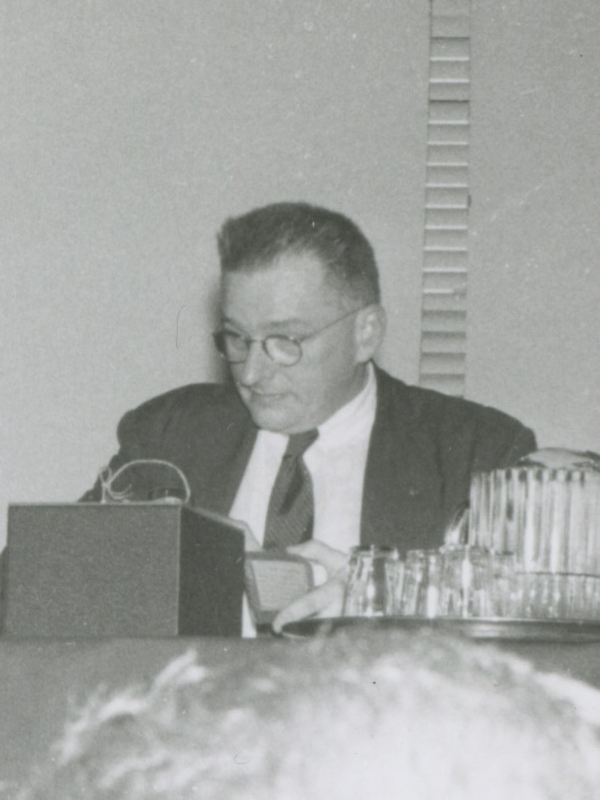
The John W. Campbell Award for Best New Writer emerged from the fertile ground of science fiction fandom and professional circles, first presented in 1973 at the World Science Fiction Convention (Worldcon). Its inception was a direct tribute to John W. Campbell Jr., the transformative editor of Astounding Science Fiction (later Analog Science Fiction and Fact) from 1937 until his death in 1971. Campbell's tenure is widely regarded as a golden era for the genre, during which he championed authors like Robert A. Heinlein, Isaac Asimov, and A.E. van Vogt, shaping the intellectual and thematic direction of science fiction for decades. The award was conceived by Harry Harrison, a prominent author himself, as a way to continue Campbell's legacy of discovering and nurturing new talent, ensuring that the spirit of innovation he fostered would persist. The award's early years saw it quickly become a coveted recognition for aspiring writers, setting a precedent for genre awards to actively seek out and celebrate emerging voices.
⚙️ How It Works
The mechanics of the John W. Campbell Award are straightforward yet impactful: it is voted on by attendees of the World Science Fiction Convention, making it a fan-driven award. Nominees are writers who have published their first work of science fiction or fantasy in the preceding calendar year. This eligibility criterion is crucial, as it specifically targets authors within their very first year of professional publication, distinguishing it from awards that consider established authors or works published over longer periods. The voting process typically occurs through ballots distributed to Worldcon attendees, allowing a broad base of the science fiction community to weigh in on who they believe represents the most promising new talent. The winner is then announced and celebrated during the convention's Hugo Awards ceremony, though the Campbell Award is a separate, independent prize.
📊 Key Facts & Numbers
Since its inception in 1973, the John W. Campbell Award has been presented annually, with only a few exceptions. Over 50 awards have been given out, recognizing more than 50 unique writers, as there have been instances of co-winners. The award has been presented at Worldcons held in various cities across the globe, including New York, Los Angeles, Toronto, and Melbourne, reflecting the international reach of the science fiction community. The number of nominees typically ranges from five to seven per year, showcasing a curated selection of emerging talents. Many recipients have gone on to win other major genre awards, such as the Hugo Award and the Nebula Award, with over 70% of Campbell Award winners eventually receiving at least one other major industry award within five years of their win. The award itself is often a small trophy, traditionally a bust of John W. Campbell Jr., symbolizing the enduring connection to its namesake.
👥 Key People & Organizations
The award's namesake, John W. Campbell Jr., remains the central figure, whose editorial vision at Astounding Science Fiction profoundly shaped the genre. Harry Harrison, a celebrated author of works like The Stainless Steel Rat, was instrumental in establishing the award. The World Science Fiction Convention (Worldcon) serves as the host and awarding body, with its attendees casting the votes. Over the years, numerous authors have been nominated and won, including Cory Doctorow, N.K. Jemisin, Tamsyn Muir, Ann Leckie, Dena Taylor, and Emily St. John Mandel, all of whom have achieved significant critical and commercial success following their win. The award committee and the Worldcon organizing body are responsible for the administration and presentation of the prize each year.
🌍 Cultural Impact & Influence
The John W. Campbell Award's primary cultural impact lies in its role as a launchpad for new literary careers within science fiction and fantasy. By focusing on debut authors, it actively shapes the future of the genre, bringing fresh voices and perspectives to the forefront. Winning the Campbell Award has often been a significant career inflection point, leading to increased visibility, book deals, and critical acclaim for its recipients. Its prestige is amplified by its association with the Hugo Award, often presented at the same ceremony, further cementing its importance in the genre's ecosystem. The award has influenced other literary prizes to consider categories for emerging writers and has inspired countless aspiring authors who see it as a tangible goal. The continued success of its alumni, many of whom have gone on to win multiple major awards and achieve mainstream recognition, speaks volumes about the award's prescience in identifying groundbreaking talent.
⚡ Current State & Latest Developments
As of 2024, the John W. Campbell Award continues its tradition of recognizing the best new writer in science fiction and fantasy, presented annually at the World Science Fiction Convention. The eligibility criteria remain focused on authors within their first year of professional publication, ensuring its continued relevance in identifying nascent talent. Recent winners, such as Emily St. John Mandel in 2009 and Tamsyn Muir in 2020, demonstrate the award's ongoing ability to spot authors who quickly become genre leaders. The Worldcon continues to manage the nomination and voting process, with the award remaining a highly anticipated event within the convention's schedule. The ongoing dialogue within the science fiction community about what constitutes a 'new writer' and how to best support emerging talent ensures the award's continued evolution and discussion.
🤔 Controversies & Debates
A significant controversy surrounding the John W. Campbell Award emerged in 2020 when it was revealed that John W. Campbell Jr., the award's namesake, held racist views that were evident in his editorial practices and personal writings. This led to considerable debate within the science fiction community about the appropriateness of continuing to honor an individual whose legacy was now understood to be tainted by such views. Critics argued that the award perpetuated a problematic legacy, while others defended it as a recognition of Campbell's undeniable impact on the genre's development, separate from his personal beliefs. This debate culminated in the decision by the World Science Fiction Convention committee to rename the award, effective for the 2021 ceremony, to the Astounding Award for Best New Writer, thereby retaining the spirit of recognizing new talent while distancing itself from the problematic aspects of its namesake's history. This renaming sparked further discussion about how the genre should reckon with its past and the legacies of its influential figures.
🔮 Future Outlook & Predictions
The future of the John W. Campbell Award, now known as the Astounding Award, hinges on its continued ability to identify and celebrate truly groundbreaking new voices in science fiction and fantasy. With the name change, the award has shed the direct association with John W. Campbell Jr.'s problematic views, allowing it to focus purely on the merit of new writers. The challenge moving forward will be to maintain its prestige and relevance in an increasingly diverse and rapidly evolving genre landscape. As more authors from varied backgrounds gain prominence, the award's role in championing inclusivity and fresh perspectives will be crucial. It's likely to remain a key indicator of emerging talent, but its ability to adapt to changing community values and continue to reflect the cutting edge of speculative fiction will determine its long-term legacy.
💡 Practical Applications
The primary practical application of the John W. Campbell Award is its function as a career accelerator for new writers. For an author receiving the award, it provides immediate validation, increased professional recognition, and often leads to greater publishing opportunities, including more lucrative book deals and wider re
Key Facts
- Category
- culture
- Type
- topic