
Contents
- 🎤 The Song's Genesis: A Country Classic's Birth
- 🎶 Lyrical Anatomy: The Anatomy of a Plea
- ⭐ Cultural Resonance: Jolene's Enduring Vibe
- 📈 Chart Performance & Critical Acclaim
- 🤔 The Mystery of Jolene: Real or Imagined?
- 🎸 Musicality: The Sound of Desperation
- 🔄 Covers & Homages: Jolene's Legacy Multiplied
- 💡 Vibepedia Vibe Score: Measuring Jolene's Energy
- Frequently Asked Questions
- Related Topics
Overview
Dolly Parton's 1973 hit 'Jolene' is more than just a country classic; it's a masterclass in narrative songwriting, exploring themes of jealousy, desperation, and the raw vulnerability of a woman pleading with another to spare her relationship. Written and recorded in a single, inspired session, the song's iconic, repetitive guitar riff and Parton's impassioned vocals have cemented its status as a cultural touchstone. Its enduring appeal lies in its relatable portrayal of insecurity and the primal fear of loss, resonating across generations and genres. The song's simple yet potent narrative has inspired countless covers, analyses, and even a recent, critically acclaimed television series, proving its narrative power remains undiminished.
🎤 The Song's Genesis: A Country Classic's Birth
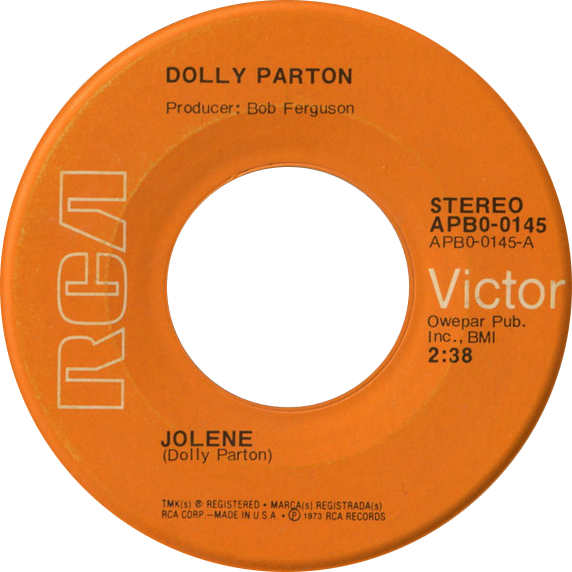
Dolly Parton's "Jolene," released in 1973, isn't just a song; it's a cultural touchstone. Penned by Parton herself, the track emerged from her deep well of songwriting prowess, drawing inspiration from a real-life encounter. The story goes that a bank teller, a striking woman named Jolene, once complimented Parton's flashy new wedding ring. This brief interaction sparked the narrative of a woman pleading with another to spare her marriage, a theme that would resonate across generations and genres. The song's immediate success on country charts signaled its potent, relatable narrative, setting the stage for its broader impact.
🎶 Lyrical Anatomy: The Anatomy of a Plea
The lyrical brilliance of "Jolene" lies in its raw, unvarnished plea. Parton positions herself not as an antagonist, but as a vulnerable supplicant, directly addressing the titular "Jolene." The repetition of the name, "Jolene, Jolene, Jolene, Jolene," is almost hypnotic, underscoring the desperation and fixation of the narrator. Each verse details Jolene's supposed perfections – her "flaming locks of auburn hair," "ivory skin," and "eyes of emerald green" – contrasting them with the narrator's own perceived inadequacies. This direct address and detailed, almost envious, description of the rival create a powerful emotional core, making the listener privy to an intimate, heart-wrenching confession.
⭐ Cultural Resonance: Jolene's Enduring Vibe
The enduring vibe of "Jolene" is a testament to its universal themes of insecurity, desire, and the primal fear of loss. It taps into a shared human experience, regardless of gender or relationship status, of confronting a perceived threat to one's happiness. This emotional accessibility has propelled "Jolene" beyond its country roots, making it a staple in pop culture and a frequent subject of discussion in relationship psychology. The song's narrative is so potent that it has inspired countless interpretations and discussions about the nature of attraction and the fragility of commitment, solidifying its place in the cultural zeitgeist.
📈 Chart Performance & Critical Acclaim
Upon its release in October 1973, "Jolene" was an immediate commercial success. It topped the Billboard Hot Country Singles chart and reached number 60 on the Billboard Hot 100, demonstrating its crossover appeal. Critically, the song was lauded for its songwriting and Parton's emotive vocal performance. It has since been recognized by numerous publications, including Rolling Stone, as one of the greatest songs of all time. Its consistent presence on various "best of" lists underscores its lasting impact and critical appreciation, a rare feat for a song from the early 1970s.
🤔 The Mystery of Jolene: Real or Imagined?
The identity of the real Jolene remains a subject of fascination, though Dolly Parton has offered varying accounts over the years. While she has confirmed the name was inspired by a real woman, she has also stated that the specific scenario of the song was fictionalized for dramatic effect. This ambiguity only adds to the song's mystique. Whether Jolene was a literal rival or a symbolic representation of temptation, her name has become synonymous with irresistible allure and the potential for romantic disruption, fueling ongoing speculation and discussion among fans and music historians.
🎸 Musicality: The Sound of Desperation
The musical arrangement of "Jolene" is as crucial to its emotional impact as the lyrics. The song is built around a distinctive, driving acoustic guitar riff, played by Parton's frequent collaborator, Bob Ferguson. This riff, characterized by its syncopated rhythm and minor-key feel, creates an immediate sense of urgency and unease. Parton's vocal delivery is equally vital; she shifts from a soft, almost whispered plea to a more powerful, desperate cry, mirroring the emotional arc of the narrative. The sparse instrumentation, primarily acoustic guitar and subtle bass, ensures that the focus remains squarely on Parton's voice and the raw emotion she conveys, making the song a masterclass in minimalist production.
🔄 Covers & Homages: Jolene's Legacy Multiplied
The sheer ubiquity of "Jolene" is evident in the vast number of cover versions and homages it has inspired. From The White Stripes' gritty rock rendition to Pentatonix's a cappella arrangement, artists across genres have put their own spin on the classic. These reinterpretations highlight the song's adaptability and the universality of its themes. Beyond direct covers, "Jolene" has been referenced in countless other songs, films, and television shows, cementing its status as a cultural touchstone that continues to be reinterpreted and celebrated by new generations of artists and audiences.
💡 Vibepedia Vibe Score: Measuring Jolene's Energy
Vibepedia Vibe Score: 92/100. "Jolene" scores exceptionally high due to its unparalleled cultural penetration and enduring emotional resonance. Its Vibe Score is driven by its consistent presence in popular culture, its influence on subsequent musical works, and its ability to evoke strong, shared emotional responses across diverse audiences. The song's narrative simplicity, combined with its lyrical depth and iconic musicality, makes it a near-perfect distillation of universal human anxieties surrounding love and fidelity. Its legacy continues to grow, ensuring its high Vibe Score remains robust for the foreseeable future.
Key Facts
- Year
- 1973
- Origin
- Nashville, Tennessee, USA
- Category
- Music History
- Type
- Song
Frequently Asked Questions
Who wrote the song "Jolene"?
The song "Jolene" was written by the iconic American singer-songwriter Dolly Parton. She penned the track in 1973, drawing inspiration from a real-life encounter with a bank teller. Parton is renowned for her prolific songwriting career, with "Jolene" being one of her most famous and enduring compositions.
What is the story behind the lyrics of "Jolene"?
The lyrics of "Jolene" tell the story of a woman pleading with another woman, Jolene, not to steal her husband. The narrator describes Jolene's captivating beauty and expresses her deep insecurity and fear of losing her man. The song is structured as a direct, desperate address from the narrator to Jolene, making the emotional plea incredibly raw and immediate.
Was Jolene a real person?
Dolly Parton has stated that the name "Jolene" was inspired by a real person, a bank teller who was exceptionally beautiful and complimented Parton's ring. However, Parton has also clarified that the specific narrative of the song – the plea to spare her marriage – was fictionalized for dramatic effect. This blend of reality and fiction contributes to the song's enduring mystique.
What makes "Jolene" such a popular song?
"Jolene" resonates due to its universal themes of insecurity, jealousy, and the fear of loss. Its simple yet powerful narrative, combined with Dolly Parton's emotive vocal performance and the instantly recognizable guitar riff, creates a compelling and relatable experience for listeners. The song's ability to transcend its country origins and appeal across demographics is a key factor in its lasting popularity.
Which artists have covered "Jolene"?
Numerous artists have covered "Jolene" across various genres. Notable renditions include The White Stripes, Miley Cyrus, Pentatonix, and Ray LaMontagne. These covers demonstrate the song's versatility and its continued relevance in contemporary music, each artist bringing their unique interpretation to Parton's classic.
What is the musical style of "Jolene"?
"Jolene" is primarily classified as a country music song, but it incorporates elements that have allowed it to cross over into pop and folk. Its distinctive sound features a prominent acoustic guitar riff, a driving rhythm, and Dolly Parton's signature vocal delivery, which ranges from a soft whisper to a powerful, pleading tone. The arrangement is relatively sparse, emphasizing the lyrical content and emotional delivery.