
Contents
Overview
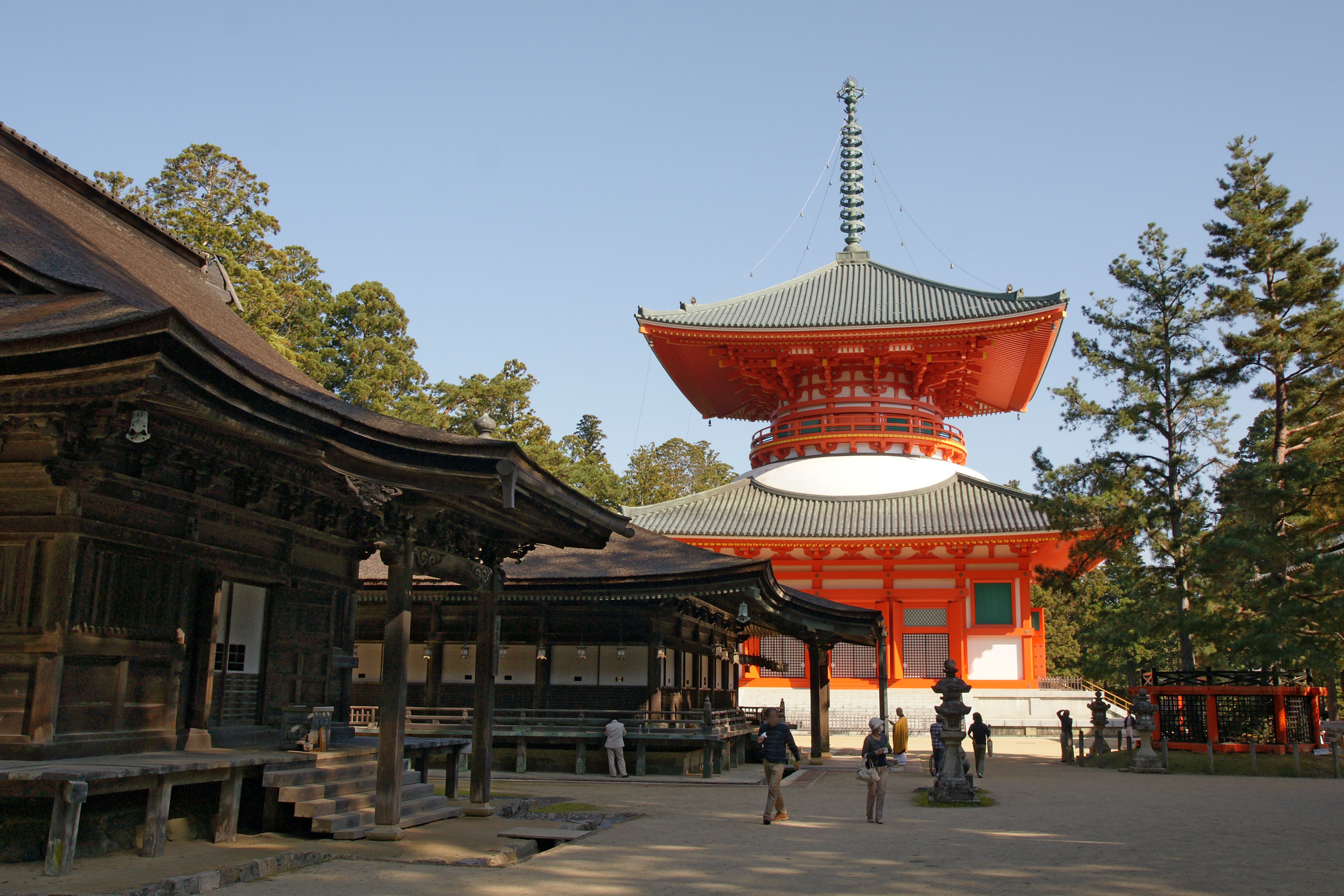
The genesis of Kongōbu-ji traces back to 816 CE when the revered monk Kūkai (Kōbō Daishi) established a monastic center on Mount Kōya, a secluded mountain range south of present-day Osaka. Kūkai, a pivotal figure in Japanese Buddhism, had returned from Tang Dynasty China with the teachings of Shingon Esoteric Buddhism, and he sought a sacred place to propagate this doctrine. Mount Kōya, with its natural grandeur and isolation, was deemed an ideal location. Initially named Tō-ji in Kyoto, Kūkai's main temple was later moved to Mount Kōya, and the primary temple there eventually became known as Kongōbu-ji, meaning 'Temple of the Diamond Peak.' Over centuries, it grew into the ecclesiastical headquarters for the entire Shingon sect, overseeing numerous subsidiary temples and establishing itself as a major pilgrimage site, particularly for the Shingon school which emphasizes esoteric rituals and the concept of achieving Buddhahood in this lifetime. The Tokugawa shogunate played a role in its development, with Tokugawa Iemitsu commissioning the construction of the Tokugawa Mausoleum within the temple grounds in 1643, further solidifying its historical importance.
⚙️ How It Works
Kongōbu-ji operates as the central administrative and spiritual hub for the Shingon sect of Vajrayana Buddhism. Its complex structure includes the main temple buildings, which house sacred relics, historical artifacts, and important artworks, as well as numerous sub-temples (tatchu) that provide accommodation for pilgrims and monks, often offering shukubo (temple lodging) experiences. The temple's administration oversees the religious activities, educational programs, and preservation of cultural heritage for the sect. Key spiritual practices conducted at Kongōbu-ji include daily prayers, elaborate rituals, and meditation sessions, often led by high-ranking monks. The temple also manages extensive temple estates, such as the Arakawa Estate and the Tomobuchi Estate, which contribute to its upkeep and the preservation of its historical significance. The spiritual leadership is vested in the abbot, who is responsible for guiding the sect and maintaining its traditions.
📊 Key Facts & Numbers
The temple settlement is estimated to house around 100 sub-temples, with over 3,000 monks and nuns residing in the area. Annually, the temple and its surrounding sacred sites attract upwards of 1.5 million visitors, a figure that underscores its enduring appeal as a pilgrimage and tourist destination. The Okunoin Cemetery, a part of Kongōbu-ji, features over 200,000 tombstones and memorials, including those of historical figures like Oda Nobunaga and the Tokugawa shoguns. The temple's treasury holds an estimated 36,000 cultural assets, highlighting its immense historical and artistic value. The annual visitor numbers have remained consistently high, demonstrating sustained interest in the site.
👥 Key People & Organizations
The foundational figure for Kongōbu-ji is Kūkai (774-835 CE), the monk who established the Shingon sect and founded the temple. His posthumous title, Kōbō Daishi, is widely used and revered. The Tokugawa shogunate played a crucial role in the temple's architectural development. Modern stewardship of the temple falls to its abbot, a position held by various high-ranking monks throughout its history, responsible for its administration and spiritual direction. The Shingon sect itself is a major organization, with Kongōbu-ji serving as its supreme headquarters. Numerous other Buddhist temples and pilgrimage routes, such as the Sacred Sites and Pilgrimage Routes in the Kii Mountain Range, are intrinsically linked to Kongōbu-ji's existence and influence.
🌍 Cultural Impact & Influence
Kongōbu-ji's cultural impact is profound, serving as the spiritual heart of the Shingon sect and a major center for esoteric Buddhism in Japan. Its establishment by Kūkai cemented the sect's influence, shaping Japanese religious and artistic traditions for over twelve centuries. The temple complex, particularly Okunoin, has become a powerful symbol of Japanese spirituality and a significant cultural landscape, influencing art, literature, and popular culture. The UNESCO World Heritage designation for the 'Sacred Sites and Pilgrimage Routes in the Kii Mountain Range,' which includes Kongōbu-ji, has further amplified its global recognition and cultural significance. The temple's architecture, gardens, and art collections, such as the famous Banryutei Rock Garden, are considered masterpieces of Japanese aesthetic design, influencing countless other temples and cultural sites across Japan and beyond. Its role in preserving ancient Buddhist texts and practices also contributes to its cultural legacy.
⚡ Current State & Latest Developments
Kongōbu-ji continues to be a vibrant center for religious practice and a major tourist destination. The temple actively engages in preserving its vast collection of cultural assets and maintaining its historical structures, including ongoing restoration projects for its ancient halls and pagodas. Efforts are also focused on promoting sustainable tourism to balance visitor numbers with the preservation of the sacred atmosphere. The temple regularly hosts special exhibitions of its art and artifacts, and continues to offer shukubo experiences, allowing visitors to immerse themselves in monastic life. The Shingon sect, headquartered at Kongōbu-ji, remains one of Japan's significant Buddhist denominations, with ongoing efforts to engage younger generations in its teachings and practices through modern communication channels and outreach programs.
🤔 Controversies & Debates
One of the primary debates surrounding Kongōbu-ji and Mount Kōya centers on the balance between its role as a sacred pilgrimage site and a popular tourist destination. Critics sometimes voice concerns about the commercialization of religious spaces and the potential impact of mass tourism on the spiritual tranquility of the mountain. Another area of discussion involves the historical interpretation of Kūkai's role and the evolution of Shingon Buddhism, with scholarly debates sometimes arising regarding the precise origins of certain rituals or doctrines attributed to him. Furthermore, the management of the extensive temple estates and the allocation of resources for preservation versus new development can also be points of contention among stakeholders and the broader Buddhist community. The ongoing preservation of numerous historical structures also presents continuous challenges, requiring significant investment and expertise.
🔮 Future Outlook & Predictions
The future outlook for Kongōbu-ji appears robust, driven by its UNESCO World Heritage status and the enduring appeal of Japanese spiritual and cultural tourism. Projections suggest continued high visitor numbers, with potential growth in international tourism as global travel recovers. There is an increasing focus on digital engagement, with the temple exploring ways to share its heritage and teachings online, potentially reaching a wider audience. Efforts to promote eco-tourism and mindful travel are expected to intensify, aligning with global trends towards responsible tourism. The temple is also likely to continue its role in interfaith dialogue and cultural exchange, solidifying its position as a global spiritual landmark. Furthermore, the ongoing study and preservation of its vast collection of Buddhist art and scriptures will ensure its relevance for future generations of scholars and practitioners.
💡 Practical Applications
Kongōbu-ji's primary practical application lies in its role as the spiritual and administrative center for the Shingon sect, guiding its followers and preserving its doctrines. For visitors, it offers a unique opportunity for cultural immersion through shukubo lodging, allowing them to experience monastic life, participate in morning prayers, and enjoy shojin-ryori (Buddhist vegetarian cuisine). The temple grounds, particularly the Okunoin Cemetery, serve as a significant historical archive, with countless tombstones and memorials offering insights into Japanese hi
Key Facts
- Category
- culture
- Type
- topic