
Contents
- 📍 The Vibe: Wild Beauty & Enduring Charm
- 🗺️ Location & Getting There: Taming the Peaks
- 🚶♀️ Must-Do Experiences: Beyond the Postcard
- 🏠 Where to Stay: From Rustic to Refined
- 🍴 Eating & Drinking: Fueling Your Adventures
- 💰 Pricing & Passes: Accessing the Awe
- ⭐ What People Say: The Collective Pulse
- 🆚 Comparisons: Lake District vs. Other UK Parks
- 💡 Insider Tips: Navigating the Nuances
- 🚀 Getting Started: Your Lake District Blueprint
- Frequently Asked Questions
- Related Topics
Overview
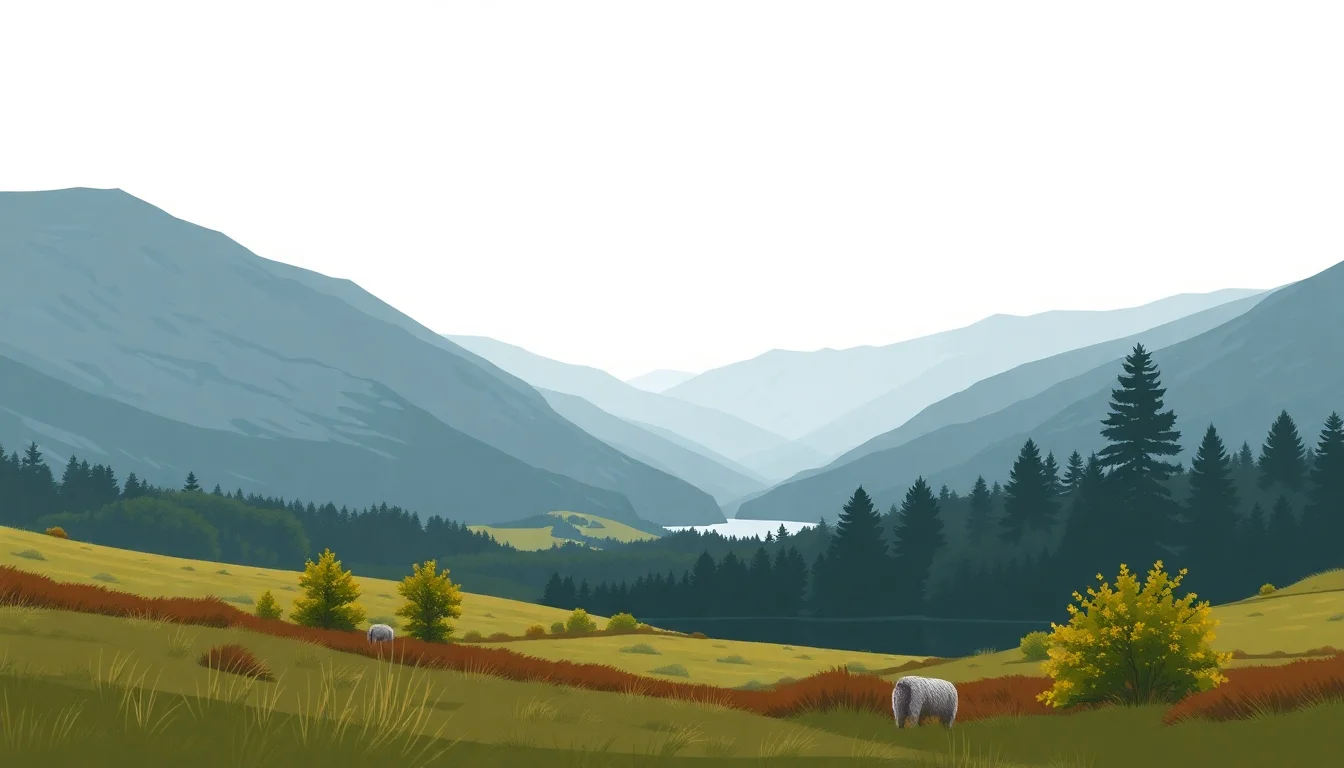
The Lake District National Park, a UNESCO World Heritage Site since 2017, is a breathtaking expanse of rugged mountains, pristine lakes, and charming villages in Cumbria, Northwest England. It draws over 16 million visitors annually, making it one of the UK's most popular natural attractions. From the iconic peaks of Scafell Pike to the serene waters of Windermere, the park offers unparalleled opportunities for hiking, watersports, and exploring a landscape that has inspired poets like Wordsworth for centuries. Navigating its winding roads and diverse terrain requires planning, especially during peak seasons, but the rewards are immense: a deep connection with nature and a glimpse into England's wild heart.
📍 The Vibe: Wild Beauty & Enduring Charm
The Lake District National Park, a UNESCO World Heritage Site since 2017, is England's undisputed crown jewel for natural beauty. Its vibe is a potent blend of rugged, untamed fells and serene, shimmering lakes, a landscape that has inspired poets like Wordsworth and artists for centuries. This isn't just a pretty place; it's a living, breathing testament to the power of nature and human interaction, offering everything from challenging mountain climbs to gentle lakeside strolls. Whether you're a seasoned hiker seeking the thrill of Scafell Pike or a family looking for a picturesque picnic spot, the Lakes deliver an experience that resonates deeply.
🗺️ Location & Getting There: Taming the Peaks
Nestled in the northwest of England, the Lake District is surprisingly accessible, though reaching its heart requires a bit of planning. The nearest major train stations are Oxenholme and Penrith, offering direct links from London Euston and other cities. From these hubs, local bus services and taxis can take you deeper into the park. Driving is also an option, with the M6 motorway providing access, but be warned: roads within the park can be narrow, winding, and busy, especially during peak season. Consider parking at designated areas and utilizing the excellent bus network for a more relaxed exploration.
🚶♀️ Must-Do Experiences: Beyond the Postcard
Beyond the obvious postcard views of Windermere and Derwentwater, the Lake District offers a wealth of experiences. For the adventurous, tackling the Helvellyn ridge via Striding Edge or Swirral Edge is a rite of passage, offering unparalleled panoramic views. History buffs will find solace in the ancient ruins of Hardknott Roman Fort or the charming, preserved streets of Hawkshead. Don't miss a boat trip on one of the larger lakes, perhaps a steam yacht experience, or explore the lesser-known, tranquil waters like Buttermere for a more intimate encounter with nature.
🏠 Where to Stay: From Rustic to Refined
Accommodation in the Lake District caters to every budget and style. For a truly immersive experience, consider a stay in a traditional Lakeland cottage, many of which are available for self-catering through local agencies. Campsites abound, from basic sites offering just a pitch to those with glamping pods and facilities. For comfort, numerous hotels and guesthouses are scattered throughout the park, with popular bases including Ambleside, Keswick, and Bowness-on-Windermere. Booking well in advance is crucial, especially for summer and school holidays.
🍴 Eating & Drinking: Fueling Your Adventures
The culinary scene in the Lake District is as hearty as its landscape. Expect traditional pub fare – think Cumberland sausage, hearty pies, and sticky toffee pudding – in abundance. Many pubs offer locally brewed ales, a perfect way to refuel after a day on the fells. For a more refined experience, several Michelin-starred restaurants, such as L'Enclume in Cartmel, showcase the best of local produce. Don't overlook the charming tearooms for a classic cream tea, a quintessential Lakeland experience, or the local farmers' markets for artisanal cheeses and baked goods.
💰 Pricing & Passes: Accessing the Awe
Entry to the Lake District National Park itself is free, as it's a public access area. However, costs can accrue depending on your activities. Parking charges vary significantly by location, with popular spots often costing £5-£10 for a full day. Attractions like The World of Beatrix Potter or boat trips have their own admission fees, typically ranging from £8-£20. For hikers, the main 'cost' is your own effort, but consider investing in a good OS map (Ordnance Survey) for navigation. There are no park passes required for general access.
⭐ What People Say: The Collective Pulse
The collective pulse of visitors to the Lake District is overwhelmingly positive, with many praising its breathtaking scenery and the sheer variety of activities available. Ratings often highlight the well-maintained walking trails and the friendly atmosphere of the local villages. However, some reviews caution about overcrowding during peak times and the challenging nature of some of the more remote routes. The park consistently scores high for its natural beauty and sense of tranquility, though accessibility for those with mobility issues can be a concern in certain areas.
🆚 Comparisons: Lake District vs. Other UK Parks
Compared to other UK national parks, the Lake District stands out for its dramatic, mountainous terrain and its sheer density of lakes. Snowdonia in Wales offers comparable mountain challenges, while the Peak District provides rolling hills and moorland. The Yorkshire Dales shares a similar rural charm with its stone walls and farming heritage. However, the unique combination of high peaks, deep valleys, and numerous large, accessible lakes gives the Lake District a distinct and enduring appeal that often places it at the top of visitor lists.
🚀 Getting Started: Your Lake District Blueprint
Ready to explore? Your first step is deciding your base. For vibrant activity, consider Windermere or Keswick. For a quieter escape, look towards Grasmere or the western lakes. Plan your travel to the nearest major transport hub or map your driving route, factoring in potential traffic. Book accommodation and any specific tours or attractions well in advance, especially if visiting during school holidays or weekends. A good starting point for official information and planning is the official park website.
Key Facts
- Year
- 1951
- Origin
- Designated as a National Park in 1951 under the National Parks and Access to the Countryside Act.
- Category
- National Parks & Protected Areas
- Type
- National Park
Frequently Asked Questions
What is the best time of year to visit the Lake District?
The shoulder seasons, April-May and September-October, offer a fantastic balance of pleasant weather, fewer crowds, and stunning natural beauty. Summer (June-August) is popular but can be very busy, while winter (November-March) offers a stark, quiet beauty but with potential for challenging weather and limited daylight.
Is the Lake District suitable for families?
Absolutely. The park offers a wide range of family-friendly activities, from gentle boat trips on lakes like Derwentwater to attractions like The World of Beatrix Potter. Many walking routes are accessible for pushchairs, and numerous campsites and family-friendly accommodations are available.
Do I need a car to explore the Lake District?
While a car offers flexibility, it's not essential. The park has an extensive public transport network, including buses that connect major towns and villages, and boat services on the lakes. Many visitors find it easier to park their car at their accommodation or a designated car park and use public transport or walk.
What are the essential items to pack for a trip?
Layers of clothing are key, as the weather can change rapidly. Waterproofs (jacket and trousers), sturdy walking boots, a hat, gloves, sunscreen, and a map and compass (or GPS device) are essential for hiking. Don't forget insect repellent in the summer months.
Are there any specific safety concerns I should be aware of?
The primary concern is the weather, which can turn quickly, especially on higher fells. Always check the forecast before heading out and be prepared for rain, wind, and fog. Stick to marked paths, inform someone of your route and expected return time, and carry a fully charged mobile phone. For specific mountain safety advice, consult local mountain rescue teams.
Can I bring my dog to the Lake District?
Yes, the Lake District is generally very dog-friendly. Many pubs, cafes, and accommodations welcome dogs, and there are numerous walking trails suitable for canine companions. However, always keep dogs under control, especially around livestock, and be aware of specific 'no dogs' areas or seasonal restrictions, particularly during bird nesting seasons.