
Contents
Overview
A legislative body, often called a legislature, is the cornerstone of representative governance, tasked with the critical function of creating laws and overseeing the executive branch. These deliberative assemblies, ranging from local councils to national parliaments, embody the collective will of the people or their representatives, translating societal needs and political ideologies into binding statutes. Their structure can vary dramatically, from a single chamber (unicameral) to two (bicameral) or even more, with members chosen through elections, indirect selection, or appointment. The power wielded by legislative bodies is immense, shaping everything from economic policy and social welfare to national defense and individual rights, making them central to the functioning and legitimacy of any modern state. The ongoing debate over their composition, powers, and effectiveness remains a constant in political discourse worldwide.
🎵 Origins & History
The concept of a legislative body traces its roots back to ancient assemblies, where citizens gathered to debate and decide on communal matters. The Roman Senate evolved from an advisory council to a powerful legislative force during the Roman Republic. The Enlightenment further solidified the idea of separation of powers, emphasizing the legislature's role as a check on executive authority, a principle enshrined in foundational documents.
⚙️ How It Works
At its core, a legislative body functions through deliberation, debate, and voting. Bills, or proposed laws, are introduced by members, often after extensive research and consultation with constituents and interest groups like lobbying firms. These bills typically undergo multiple readings and committee reviews, where they are scrutinized, amended, and debated. In bicameral systems, such as the UK Parliament, a bill must be approved by both the House of Commons and the House of Lords before receiving royal assent. The process is designed to ensure thorough consideration, but it can also be slow and prone to political deadlock, as seen in frequent legislative gridlock in many nations.
📊 Key Facts & Numbers
Globally, there are approximately 195 sovereign states, and nearly all possess some form of legislative body. National legislatures vary significantly in size. Bicameral systems are common. The average annual salary for a national legislator can vary widely. Approximately 25% of all national legislators worldwide are women, a figure that has steadily increased since the late 20th century, though significant disparities persist across regions.
👥 Key People & Organizations
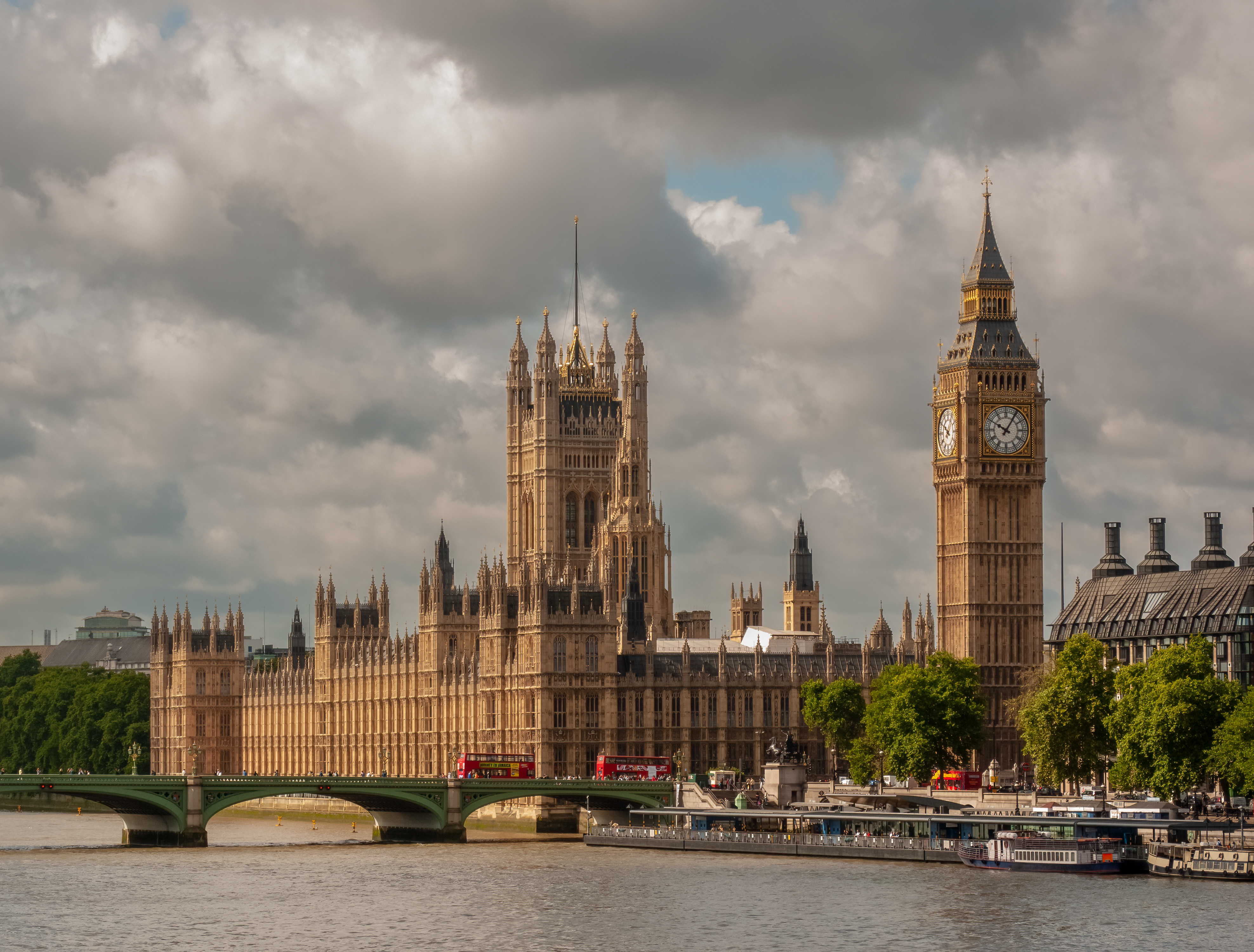
Key figures have shaped the evolution and function of legislative bodies. The U.S. Capitol Building is a potent symbol of national identity and governance. The Palace of Westminster is a potent symbol of national identity and governance.
🌍 Cultural Impact & Influence
Legislative bodies are central to the cultural narrative of democracy and representation. They are frequently depicted in film and literature, often as arenas of intense debate, compromise, and sometimes corruption, as seen in works like Mr. Smith Goes to Washington or the television series House of Cards. The very idea of a "town hall meeting" or a "parliamentary debate" evokes a sense of public discourse and collective decision-making. The symbolic power of these institutions is immense; their physical architecture, from the U.S. Capitol Building to the Palace of Westminster, often becomes a potent symbol of national identity and governance. The public's perception of legislative bodies—whether as trusted guardians of democracy or as out-of-touch elites—profoundly impacts political engagement and trust in institutions.
⚡ Current State & Latest Developments
In 2024 and beyond, legislative bodies are grappling with unprecedented challenges. The rise of social media platforms has transformed how legislators communicate with constituents and how information (and misinformation) spreads, impacting public opinion and legislative processes. Issues like climate change and AI regulation demand complex, cross-border legislative solutions that often outpace traditional lawmaking cycles. The increasing polarization in many democracies has led to heightened scrutiny of legislative procedures and the very nature of political compromise. Furthermore, the COVID-19 pandemic accelerated the adoption of remote work and virtual proceedings in many legislatures, a trend that continues to evolve.
🤔 Controversies & Debates
The effectiveness and legitimacy of legislative bodies are subjects of perennial debate. Critics often point to legislative gridlock, partisan obstructionism, and the undue influence of special interest groups and campaign finance as undermining their ability to serve the public interest. The question of representation is also contentious: do elected officials truly reflect the diversity of their electorates, or do systemic biases favor certain demographics? The rise of populism in many countries has often been fueled by a perception that established legislative bodies are unresponsive to the concerns of ordinary citizens. Conversely, proponents argue that these bodies, despite their flaws, remain essential for ensuring accountability, providing a forum for diverse voices, and preventing the concentration of power in the hands of a few.
🔮 Future Outlook & Predictions
The future of legislative bodies will likely be shaped by technological advancements and evolving societal expectations. The integration of AI could streamline legislative processes, from drafting bills to analyzing public sentiment, but also raises concerns about bias and accountability. The use of blockchain for secure voting and transparent record-keeping is another area of exploration. We may see further experimentation with deliberative democracy models, such as citizens' assemblies, to complement traditional representative structures, potentially leading to more inclusive policy-making. The ongoing tension between national sovereignty and the need for global cooperation on issues like pandemics and climate change will also continue to test the adaptability and relevance of national legislatures.
💡 Practical Applications
Legislative bodies are the primary mechanism for enacting laws that govern nearly every aspect of modern life. They authorize government spending through budgetary processes, set tax rates, regulate industries from pharmaceuticals to energy, and establish criminal justice systems. For citizens, legislative bodies provide a formal channel for petitioning the government and influencing policy through elected representatives. In the realm of international relations, legislatures ratify treaties and approve declarations of war,
Key Facts
- Category
- politics
- Type
- topic