
Contents
Overview
The story of the Lenape people is etched in the very landscape of the Eastern Woodlands, a narrative stretching back millennia. Their traditional territory, known as Lenapehoking, was a rich tapestry of forests, rivers, and coastal areas, providing abundant resources. Early interactions with European explorers and traders marked the beginning of profound societal shifts. The Lenape initially engaged in trade, exchanging furs for European goods, but this relationship soon soured as colonial ambitions escalated. Treaties, often misunderstood or deliberately manipulated, led to the gradual erosion of Lenape landholdings. The devastating impact of diseases introduced by Europeans, coupled with increasing colonial encroachment, accelerated the pressures of the American Revolutionary War and subsequent Indian Removal policies.
⚙️ How It Works
The Lenape societal structure was historically organized around a system of clans, primarily the Turtle, Wolf, and Turkey clans, which formed the basis of their political and social organization. Each clan held specific responsibilities and maintained distinct territories within Lenapehoking. Decisions were often made through consensus-building within councils, involving elders and clan leaders. Their language, Lenape, belongs to the Algonquian language family, reflecting deep linguistic connections with other Indigenous peoples of the region. Traditional Lenape lifeways were deeply intertwined with the natural world, emphasizing sustainable practices in hunting, fishing, agriculture (cultivating maize, beans, and squash), and gathering. Spiritual beliefs were animistic, recognizing the sacredness of all living things and the interconnectedness of the spiritual and physical realms. This intricate understanding of their environment and social fabric allowed them to thrive for centuries before the disruptive forces of colonization.
📊 Key Facts & Numbers
The ancestral territory of the Lenape historically encompassed present-day Delaware, New Jersey, eastern Pennsylvania, and parts of New York. Today, vibrant Lenape communities thrive in Oklahoma, Wisconsin, and Ontario, Canada. The Delaware Nation in Oklahoma, for instance, is a federally recognized tribe, as is the Delaware Tribe of Indians also in Oklahoma. In Wisconsin, the Stockbridge-Munsee Community (which includes many Lenape) continues to manage its lands and resources. In Ontario, Canada, the Delaware of Six Nations reserve is home to many Lenape people. These communities represent a remarkable resurgence and a testament to the resilience of the Lenape people.
👥 Key People & Organizations
Key figures and organizations have been instrumental in shaping the Lenape experience. Historically, leaders like Chief Nutimus (mid-18th century) and Chief Tamanend (late 17th century) navigated complex relationships with colonial powers. In the modern era, organizations such as the Delaware Nation, the Delaware Tribe of Indians, and the Stockbridge-Munsee Community are crucial in preserving culture, advocating for rights, and managing tribal affairs. The Lenape Language Institute plays a vital role in revitalizing and teaching the Lenape language, a cornerstone of cultural identity. Anthropologists and historians like Albert Anthony Regensburg and C.A. Weslager have dedicated careers to documenting Lenape history and culture, though their interpretations have sometimes been debated.
🌍 Cultural Impact & Influence
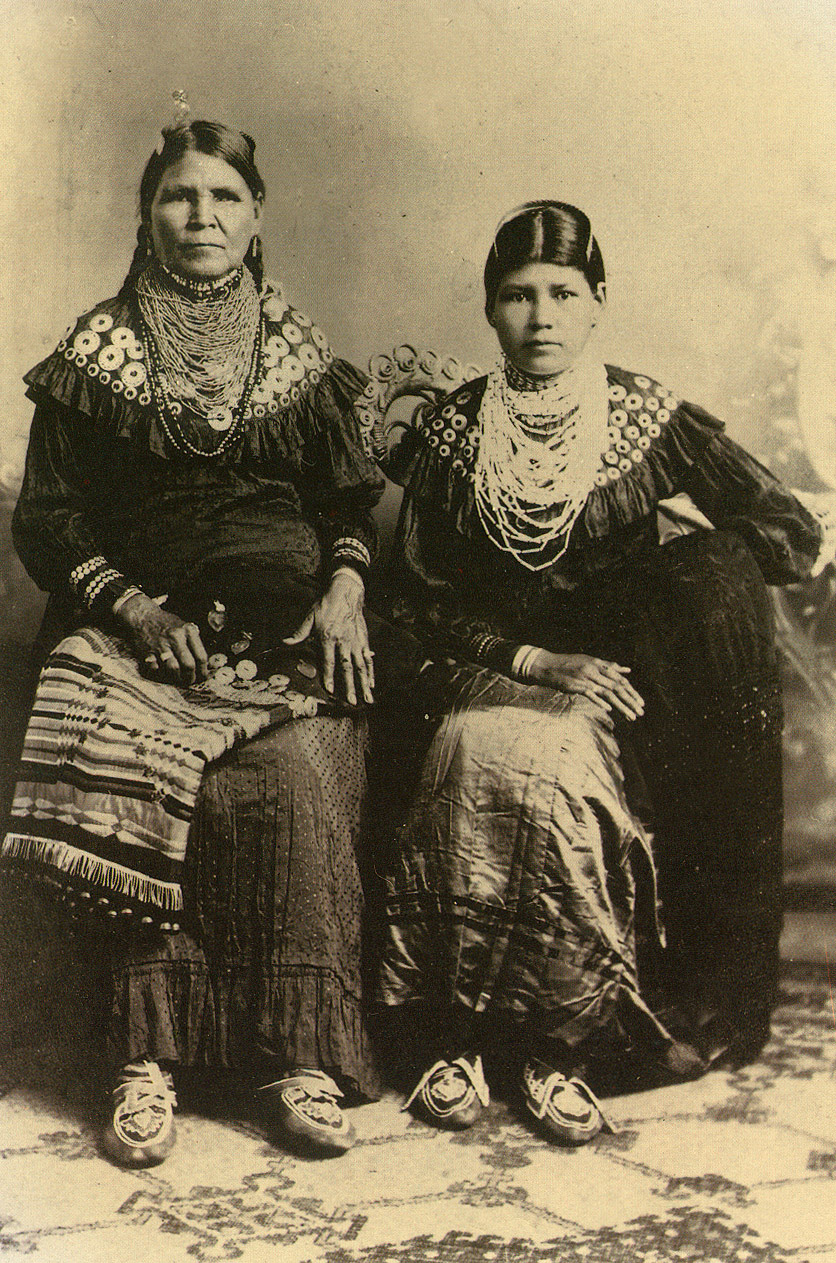
The cultural footprint of the Lenape people extends far beyond their current geographic boundaries. Their historical presence has shaped the nomenclature of numerous places, including states like Delaware, cities like Philadelphia (named after William Penn's "city of brotherly love," a concept Lenape leaders like Tamanend embodied), and countless rivers and landmarks across the Northeast. The concept of "brotherly love" and peaceful coexistence, exemplified by the Lenape's early interactions with William Penn and the Quakers, has had a lasting influence on regional identity and historical narratives. Their traditional agricultural practices, particularly the cultivation of Three Sisters (corn, beans, and squash), have influenced agricultural knowledge and sustainability practices. Furthermore, Lenape art, including beadwork, pottery, and storytelling, continues to be a vibrant expression of their identity, influencing contemporary Indigenous art movements and broader artistic appreciation.
⚡ Current State & Latest Developments
In the present day, Lenape communities are actively engaged in cultural revitalization, economic development, and political advocacy. The Delaware Nation and Delaware Tribe of Indians in Oklahoma are federally recognized tribes, operating their own governments, businesses, and cultural programs. The Stockbridge-Munsee Community in Wisconsin continues to manage its lands and resources, focusing on education and cultural preservation. Efforts to revitalize the Lenape language are ongoing, with language immersion programs and educational materials being developed. Many Lenape individuals are also active in national Indigenous rights movements, advocating for treaty rights, environmental protection, and self-determination. The ongoing work of organizations like the Lenape Center in New York City aims to reconnect urban Lenape populations with their heritage and foster community engagement.
🤔 Controversies & Debates
Significant controversies surround the historical treatment of the Lenape people, particularly concerning land treaties and forced removals. The interpretation and enforcement of treaties, such as the Walking Purchase of 1737, remain contentious, with many arguing they were fraudulent and led to the unjust dispossession of Lenape lands. Debates also persist regarding the accurate historical narratives of Lenape interactions with colonial powers and the extent of their agency in the face of overwhelming pressure. Furthermore, the ongoing struggle for recognition and land rights by some Lenape groups not federally recognized presents complex legal and political challenges. The historical erasure of Lenape contributions from mainstream historical accounts also remains a point of contention, highlighting the need for more inclusive and accurate historical representations.
🔮 Future Outlook & Predictions
The future for the Lenape people appears to be one of continued resilience and self-determination. With growing tribal economies and a strong emphasis on cultural preservation, particularly language revitalization, the Lenape are poised to strengthen their sovereignty and influence. Increased engagement with educational institutions and public awareness campaigns are likely to foster a deeper understanding of Lenape history and contemporary issues. There is also a growing movement to reclaim and protect ancestral lands and sacred sites, potentially leading to new land-based initiatives and cultural centers. As climate change impacts the Eastern Woodlands, Lenape traditional ecological knowledge may offer valuable insights into sustainable environmental practices, further solidifying their role as stewards of the land. The next generation of Lenape leaders will undoubtedly continue to navigate the complexities of modern society while honoring their rich heritage.
💡 Practical Applications
The practical applications of Lenape knowledge and culture are diverse and impactful. Traditional ecological knowledge, honed over millennia, offers invaluable insights into sustainable land management, agriculture, and environmental stewardship, particularly relevant in the face of current environmental challenges. Their understanding of local flora and fauna, passed down through generations, can inform conservation efforts and the development of sustainable resource management strategies. Furthermore, the Lenape's historical emphasis on community and consensus-building provides valuable models for collaborative decision-making and conflict resolution in contemporary settings. The revitalization of the Lenape language itself has practical applications in education, cultural preservation, and fostering intergenerational connections.
Key Facts
- Category
- culture
- Type
- topic