
Contents
Overview
The genesis of lightweight spackling can be traced back to the evolution of drywall finishing techniques in the mid-20th century. Initially, professionals relied on heavier, powder-based joint compounds that required meticulous mixing and offered limited forgiveness for novice users. The demand for faster, more user-friendly repair materials spurred innovation. Manufacturers began experimenting with additives that could reduce the density of these compounds without compromising their filling and sanding properties. Early iterations might have involved simple aeration techniques, but the true breakthrough came with the development of specific chemical formulations and manufacturing processes that created a stable, pre-mixed paste with significantly lower specific gravity. Companies like USG Corporation and Red Devil Inc. were instrumental in popularizing these ready-mixed formulations, making them accessible to a broader market beyond professional contractors by the late 1970s and early 1980s.
⚙️ How It Works
Lightweight spackling functions by utilizing a unique blend of binders, fillers, and air. The paste typically consists of vinyl or acrylic binders, finely ground gypsum or calcium carbonate fillers, and proprietary foaming agents. When applied to a surface, the binders create a flexible film that adheres to the substrate, while the fillers provide bulk and smooth texture. The incorporated air, a result of the manufacturing process, is what gives the material its characteristic lightness. This low density means less material is needed to fill a given void compared to heavier compounds, and it reduces the stress on the drywall or plaster, preventing sagging, especially on vertical surfaces or over larger repairs. Once applied, the water in the paste evaporates, causing the material to shrink slightly and harden, ready for sanding to a smooth finish. The sanding process is notably easier due to the material's low density.
📊 Key Facts & Numbers
The market for spackling and joint compounds in North America alone is estimated to be worth over $1 billion annually, with lightweight varieties capturing a significant and growing share. A typical 32-ounce tub of lightweight spackling weighs approximately 1.5 to 2 pounds, whereas an equivalent volume of traditional all-purpose joint compound can weigh 4 to 5 pounds. This density difference translates to up to 50% less weight for the same coverage area. Many lightweight spackling products boast drying times as fast as 30 minutes for thin coats, allowing for multiple applications within a single hour. The average cost per ounce for lightweight spackling is typically 15-25% higher than for powder-based alternatives, reflecting the convenience and specialized formulation, but this is often offset by reduced labor and faster project completion times. Over 70% of consumers surveyed by home improvement retailers report preferring pre-mixed spackling for small repairs due to ease of use.
👥 Key People & Organizations
Key players in the lightweight spackling market include major manufacturers like USG Corporation (with brands like Sheetrock), The Henry Company (known for its patching compounds), 3M (offering various repair solutions), and Red Devil Inc., which has a long history in patching and repair products. While no single individual is solely credited with inventing lightweight spackling, product development teams within these corporations have continuously refined formulations. For instance, innovations in polymer chemistry have led to improved adhesion and reduced shrinkage in newer products. Retail giants such as The Home Depot and Lowe's are crucial distribution channels, making these products accessible to millions of DIYers and contractors. The development of specialized lightweight compounds for specific applications, like mold-resistant or extra-fast-drying variants, also highlights the competitive landscape driven by these organizations.
🌍 Cultural Impact & Influence
Lightweight spackling has fundamentally democratized home repair, transforming it from a task requiring specialized skills and heavy materials into something accessible to nearly anyone with a putty knife and a bit of patience. Its ease of use has empowered a generation of DIY enthusiasts, enabling them to tackle minor wall damage and achieve professional-looking results without extensive training. This accessibility has influenced home renovation television shows and online tutorials, which frequently feature lightweight spackling as a go-to solution for quick fixes. The material's popularity has also indirectly supported the growth of the paint and wallpaper industry by providing a reliable surface preparation tool. Its widespread availability in big-box retailers has made it a ubiquitous presence in toolkits across North America and increasingly in other global markets.
⚡ Current State & Latest Developments
The current landscape of lightweight spackling is marked by a push for even faster drying times and enhanced durability. Manufacturers are introducing formulations that can be painted over in as little as 15 minutes, catering to contractors under tight deadlines. Innovations in nanotechnology are being explored to create spackling compounds with improved crack resistance and adhesion to a wider range of substrates, including plastics and metals. Furthermore, there's a growing emphasis on sustainable manufacturing processes and the development of low-VOC (volatile organic compound) or zero-VOC products to meet increasing environmental regulations and consumer demand for healthier indoor air quality. The integration of smart additives that indicate optimal drying or sanding conditions is also an emerging trend, promising to further simplify the repair process.
🤔 Controversies & Debates
One persistent debate revolves around the long-term durability and suitability of lightweight spackling for larger repairs. While excellent for nail pops, small dents, and hairline cracks, some professionals argue that its inherent lightness and slight shrinkage can make it less ideal for significant structural damage or areas subject to high stress, where heavier, traditional compounds might offer greater strength and stability. Critics also point out that while easier to sand, the dust generated can still be a concern, leading to discussions about dust-control methods and the development of 'dustless' sanding technologies. Another point of contention is the perceived cost-effectiveness; while convenient, the higher per-ounce price compared to powder mixes can be a deterrent for budget-conscious projects or large-scale commercial applications where labor costs are less of a factor than material cost.
🔮 Future Outlook & Predictions
The future of lightweight spackling likely involves further advancements in material science, leading to products that are virtually self-leveling, require minimal to no sanding, and offer superior crack resistance. We can anticipate the integration of smart materials that might change color when fully cured or even self-heal minor imperfections. The trend towards eco-friendly and health-conscious building materials will undoubtedly drive the development of more biodegradable and low-emission formulations. Furthermore, as 3D printing technology in construction evolves, we might see specialized lightweight spackling compounds designed for additive manufacturing processes, enabling the creation of complex architectural features or rapid on-site repairs. The focus will remain on balancing ease of use with performance, ensuring these materials continue to be the go-to for quick, effective surface repairs.
💡 Practical Applications
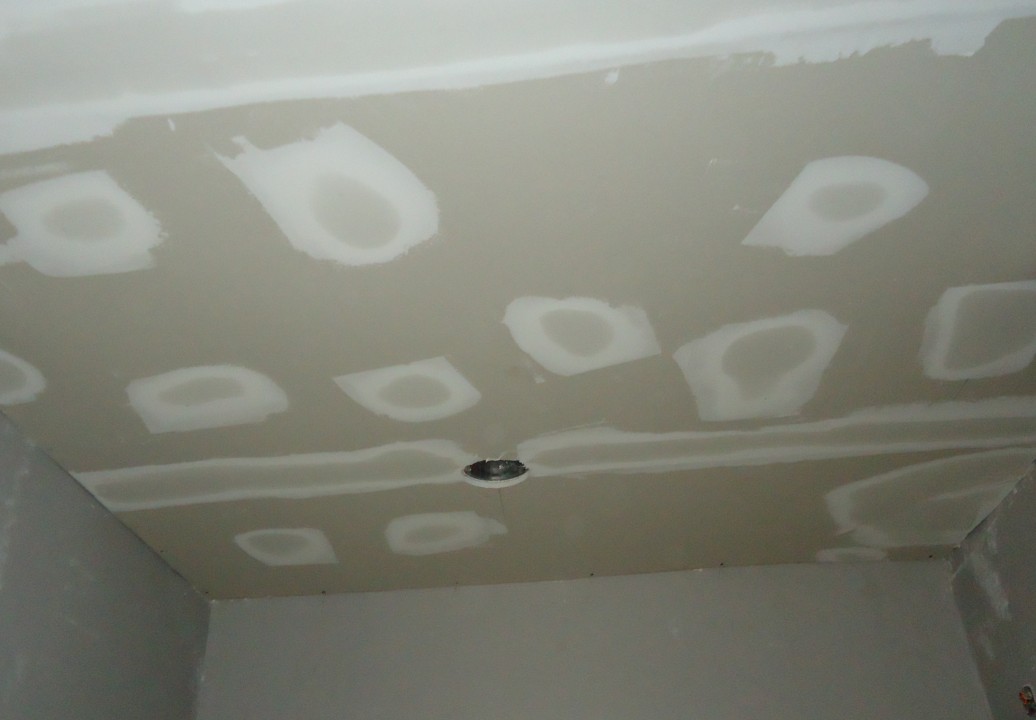
Lightweight spackling finds its most common application in the repair of minor imperfections on interior walls and ceilings. This includes filling nail holes left by framing nails, repairing small dents and gouges caused by furniture or accidental impacts, and sealing hairline cracks that appear due to building settling or temperature fluctuations. It's the preferred choice for painters preparing surfaces before applying primer and paint, as its smooth finish and easy sanding properties ensure a flawless final coat. DIY homeowners frequently use it for quick touch-ups after hanging pictures or shelves. In some cases, it's also used for minor patching of [[plas
Key Facts
- Category
- technology
- Type
- topic