
Contents
Overview
These ectothermic vertebrates, characterized by their scaled skin, typically four limbs, and external ear openings, exhibit an astonishing range of forms, from the diminutive pygmy gecko to the colossal monitor lizard. Their biology is a testament to millions of years of adaptation, showcasing specialized sensory systems, unique reproductive strategies like parthenogenesis in some species, and remarkable thermoregulatory behaviors. From the arid deserts to the humid rainforests, lizards have carved out niches across nearly every terrestrial and many aquatic environments, demonstrating incredible resilience and evolutionary success.
🎵 Origins & Evolution
Fossil evidence from the Messel Pit fossil site in Germany reveals ancient forms with unique skeletal structures and preserved soft tissues. Key evolutionary innovations include the development of kinetic skulls, allowing for a wider gape to swallow larger prey. The split between lizards and snakes, both within the Squamata order, occurred early in their history, with lizards retaining more ancestral traits like limbs, though some lineages, like slow worms, have secondarily lost them. This deep evolutionary history has endowed lizards with a remarkable plasticity, allowing them to colonize diverse habitats worldwide.
⚙️ Anatomy & Physiology
Lizard anatomy is a masterclass in ectothermic adaptation. Their scaled integument, composed of keratin, provides protection against desiccation and physical injury. Respiration occurs via lungs, with varying degrees of efficiency across species. Thermoregulation is paramount; lizards bask in the sun to elevate their body temperature and seek shade or burrow to avoid overheating. Their sensory systems are highly developed, with many possessing keen eyesight, including the ability to perceive ultraviolet light, and some species exhibiting pit organs for detecting infrared radiation. The circulatory system is typically three-chambered. Reproduction varies widely, from oviparous egg-laying to viviparous live-bearing, with some species exhibiting parthenogenesis, reproducing asexually.
📊 Diversity & Distribution
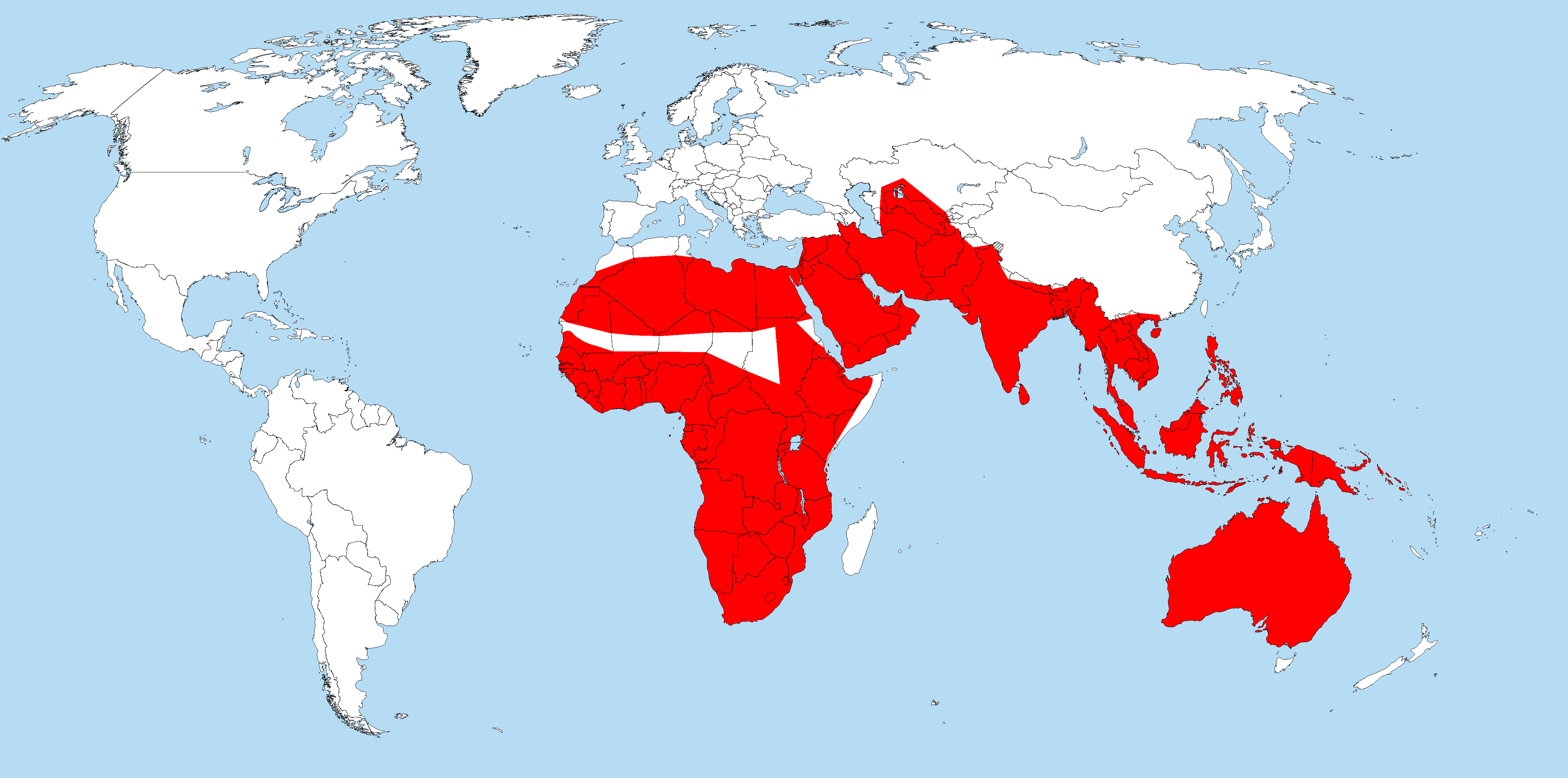
Major families include Gekkonidae, Iguanidae, Scincidae, and Varanidae. This vast morphological and ecological spectrum underscores the evolutionary success of the lizard form.
👥 Key Species & Researchers
While the diversity is immense, certain species and researchers stand out. Chameleons are famed for their independent eye movement, prehensile tails, and rapid color change. Early herpetologists like Albert Günther laid foundational work in classifying lizard species in the 19th century, while modern researchers like Dr. Jonathan Losos have made significant contributions to understanding lizard evolutionary ecology and adaptive radiation through comparative studies.
🌍 Ecological Roles & Interactions
Lizards play critical roles in ecosystems worldwide. As predators, they help regulate populations of insects, arachnids, and small vertebrates, preventing outbreaks that could damage crops or spread disease. Many lizard species are also prey for larger animals, forming a vital link in food webs for birds of prey, snakes, and mammals. Herbivorous lizards contribute to seed dispersal and plant community dynamics. The anole lizard is a keystone species in many Caribbean ecosystems, influencing insect populations and serving as a food source for numerous predators. Their ectothermic nature also means their activity patterns are closely tied to ambient temperatures, making them sensitive indicators of climate change.
⚡ Current Research & Conservation
Current research in lizard biology is rapidly advancing, driven by new technologies and a growing understanding of evolutionary processes. Genomic sequencing is revealing the genetic basis for unique lizard traits. Field studies are providing unprecedented insights into lizard movement patterns, foraging behavior, and social interactions. Conservation efforts are also a major focus, with many lizard species facing threats from habitat loss, climate change, and invasive species. The IUCN maintains Red Lists that track the conservation status of thousands of lizard species, highlighting those most at risk. Understanding their biology is crucial for developing effective conservation strategies.
🤔 Debates & Unanswered Questions
Several debates and unanswered questions persist in lizard biology. One ongoing discussion concerns the precise evolutionary relationships within certain lizard families, particularly the complex diversification of geckos. The exact mechanisms and evolutionary pressures driving the loss of limbs in snake-like lizards remain a subject of investigation, with theories ranging from adaptations for burrowing to improved locomotion in dense vegetation. The role and evolution of venom in lizards, once thought to be rare, is now recognized as more widespread, particularly within the Varanidae family, leading to debates about its functional significance and evolutionary origins. Furthermore, the impact of climate change on lizard populations, especially their thermal physiology and reproductive success, is a critical area of research with ongoing debate about the speed and severity of predicted extinctions.
🔮 Future of Lizard Biology
The future of lizard biology promises exciting discoveries. Advances in genomics will likely unlock deeper understanding of their evolutionary history and the genetic underpinnings of their remarkable adaptations. The study of biomimicry, inspired by lizard traits like gecko adhesion and chameleon color change, will continue to drive innovation in materials science and robotics. As climate change intensifies, predicting and mitigating its impact on lizard populations will become even more critical, potentially leading to novel conservation approaches. The ongoing discovery of new species, particularly in remote or under-explored regions like Madagascar and parts of Southeast Asia, suggests that our understanding of lizard diversity is far from complete. Future research will likely focus on the interplay between genetics, environment, and behavior in shaping lizard evolution.
💡 Practical Applications
The study of lizard biology has yielded numerous practical applications. The adhesive properties of gecko feet, capable of inspiring advancements in various fields, continue to be a subject of interest.
Key Facts
- Category
- nature
- Type
- topic