
Contents
- 🏠 What Defines a Luxury Home?
- 📍 Global Hotspots for Ultra-Luxury Living
- 💰 Investment vs. Lifestyle: The Dual Appeal
- ✨ Architectural Marvels & Design Trends
- 💎 Bespoke Amenities & Smart Living
- ⚖️ The Controversy: Exclusivity vs. Accessibility
- 📈 Market Dynamics & Future Outlook
- 🔑 Navigating the Luxury Market: Expert Tips
- Frequently Asked Questions
- Related Topics
Overview
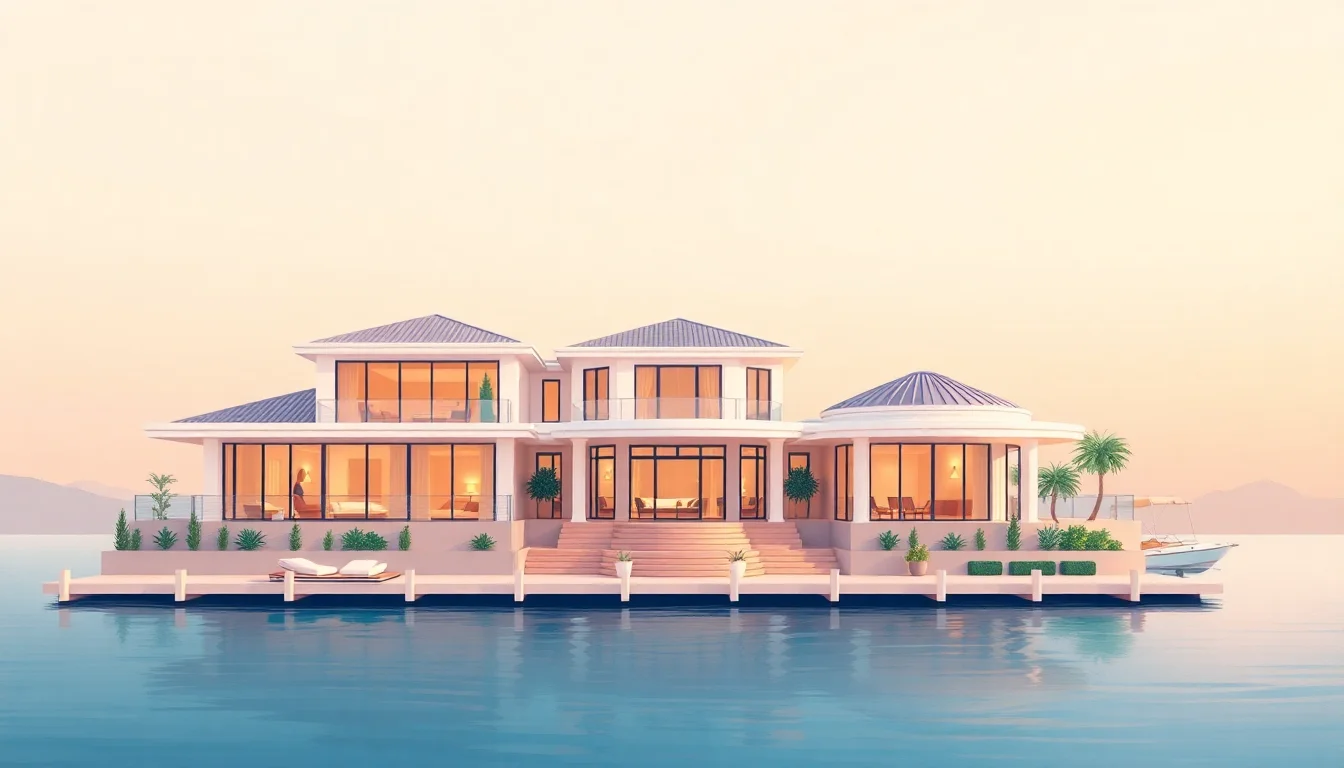
A luxury home transcends mere shelter; it's a curated statement of wealth, taste, and aspiration. These properties, often commanding prices in the millions, are defined by their exceptional quality, prime locations, and bespoke features. Think sprawling estates with panoramic views, meticulously designed penthouses in global metropolises, or secluded waterfront villas offering unparalleled privacy. The emphasis is on superior craftsmanship, high-end materials, and an integration of technology and comfort that elevates daily living. This isn't just about square footage; it's about the cultural energy and the way of life the property embodies.
📍 Global Hotspots for Ultra-Luxury Living
The global landscape of ultra-luxury real estate is as diverse as it is exclusive. Prime markets include the established enclaves of Beverly Hills and the Hamptons in the United States, where celebrity and old money converge. In Europe, Monaco and the French Riviera remain perennial favorites for their tax advantages and glamorous appeal, while London's prime districts like Kensington and Chelsea attract international investors. Asia's burgeoning wealth fuels demand in Hong Kong, Singapore, and Tokyo, with cities like Dubai also emerging as significant hubs for ostentatious residences. Each location offers a unique blend of culture, opportunity, and property worth.
💰 Investment vs. Lifestyle: The Dual Appeal
The allure of luxury homes is twofold: they serve as significant lifestyle assets and robust investment vehicles. For many, acquiring a luxury property is the culmination of a successful career, a desire for comfort, security, and the ability to entertain in style. Simultaneously, these properties often appreciate in value, driven by scarcity, prime locations, and the enduring demand from a global elite. Understanding this dual appeal is crucial for both buyers and sellers, as it influences pricing, market trends, and the long-term viability of the investment. The distribution of assets in a high-net-worth portfolio often includes such tangible wealth.
✨ Architectural Marvels & Design Trends
Architecturally, luxury homes are canvases for innovation and timeless elegance. From sprawling mid-century modern homes with clean lines and expansive glass walls to grand classical architecture with intricate detailing, the design is paramount. Current trends favor sustainable materials, biophilic design that integrates nature, and seamless indoor-outdoor living spaces. Smart home technology is no longer a novelty but an expectation, automating everything from climate control to security. The integration of art and custom installations further elevates these residences into unique, personalized masterpieces. The design magazine often showcases these trends.
💎 Bespoke Amenities & Smart Living
Beyond the bricks and mortar, luxury homes are defined by their extraordinary amenities. Private cinemas, wine cellars, infinity pools, state-of-the-art gyms, and dedicated spa facilities are common. For the tech-savvy, integrated smart home systems offer unparalleled convenience and security, controlling lighting, temperature, entertainment, and access with a simple voice command or tap on a device. Many properties also boast dedicated staff quarters, private helipads, and extensive grounds for ultimate privacy and leisure. These features contribute significantly to the home's worth and the resident's quality of life.
⚖️ The Controversy: Exclusivity vs. Accessibility
The very nature of luxury real estate breeds controversy, primarily centered on the stark contrast between extreme wealth and widespread housing affordability issues. Critics argue that the immense capital tied up in single luxury properties could address significant societal needs, such as affordable housing or public infrastructure. The exclusivity also raises questions about gentrification and the displacement of local communities. While proponents highlight job creation in construction and service industries, the debate over the ethical implications of such concentrated wealth in property remains a persistent tension in the property market.
📈 Market Dynamics & Future Outlook
The luxury real estate market, while often perceived as insulated, is subject to global economic shifts, geopolitical stability, and interest rate fluctuations. Currently, many prime markets are experiencing steady demand, driven by a resilient base of ultra-high-net-worth individuals. However, rising construction costs and supply chain issues can impact new developments. The future outlook suggests a continued focus on sustainability, smart technology, and unique lifestyle amenities. Emerging markets in Asia and the Middle East are poised for further growth, while established markets will likely see continued demand for prime, irreplaceable properties. The world economy plays a significant role.
Key Facts
- Year
- 2024
- Origin
- Vibepedia
- Category
- Real Estate
- Type
- Topic
Frequently Asked Questions
What is the typical price range for a luxury home?
The definition of 'luxury' varies by location, but generally, luxury homes start in the high seven figures (USD) and can extend into the hundreds of millions. Prime markets like Monaco, New York City, and London will have significantly higher entry points than emerging luxury markets. The price is dictated by location, size, amenities, architectural significance, and the overall desirability of the property and its surroundings.
Are luxury homes a good investment?
Historically, prime luxury real estate in desirable locations has proven to be a stable, long-term investment, often appreciating in value. However, like any real estate, it's subject to market fluctuations. The appeal lies in its scarcity and enduring demand from a global wealthy demographic. Diversification within your portfolio is key, and luxury real estate should be considered as part of a broader investment strategy, not the sole component.
What are the most sought-after amenities in luxury homes today?
Beyond the basics, current trends favor wellness-focused amenities like private gyms, spas, and yoga studios. Smart home integration for seamless control of lighting, climate, and security is standard. Other popular features include wine cellars, home theaters, expansive outdoor living spaces with pools and kitchens, and dedicated home offices or creative studios. Privacy and security features are also paramount.
How do I find luxury homes for sale?
Specialized luxury real estate agencies are your best resource. Websites of major international brokerages (e.g., Sotheby's International Realty, Christie's International Real Estate, Knight Frank) often list high-end properties. Networking within affluent circles and attending exclusive property showcases can also provide access. Discreet off-market listings are common, so working with an experienced agent is crucial.
What are the legal and tax implications of buying a luxury home, especially internationally?
These can be complex and vary significantly by jurisdiction. International buyers may face different tax rates (property taxes, capital gains taxes, inheritance taxes), residency requirements, and foreign ownership restrictions. It is imperative to consult with legal and tax professionals specializing in international real estate transactions in both your home country and the country where you intend to purchase.
How important is the 'vibe' or lifestyle associated with a luxury home?
Crucial. The 'vibe' is what differentiates a luxury home from just an expensive house. It encompasses the lifestyle it enables – whether it's a serene retreat, a hub for entertaining, or a base for exploring a vibrant city. This intangible quality, often tied to the neighborhood, the community, and the specific design and amenities, significantly influences desirability and long-term satisfaction.