
Contents
- 👥 Introduction to Male Identity
- 📚 Historical Context of Masculinity
- 🤝 Theories of Male Identity
- 🌎 Cultural Variations in Male Identity
- 📊 Statistics on Male Identity
- 👊 Challenges to Traditional Masculinity
- 🤝 Modern Concepts of Male Identity
- 📈 The Future of Male Identity
- 📚 Recommended Reading on Male Identity
- 👥 Getting Involved in Male Identity Discussions
- Frequently Asked Questions
- Related Topics
Overview
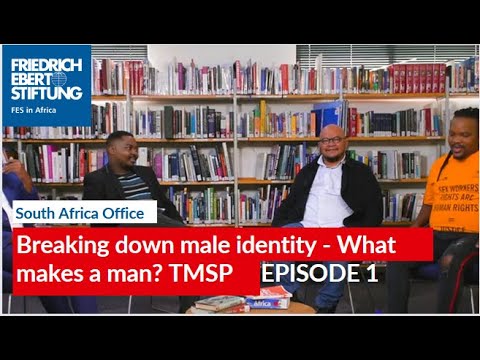
Male identity is a multifaceted concept that has evolved significantly over time, influenced by various cultural, historical, and philosophical factors. The traditional notion of masculinity, often associated with traits like strength, aggression, and dominance, has been challenged by contemporary perspectives that emphasize emotional expression, vulnerability, and empathy. According to a study published in the Journal of Men's Studies, approximately 70% of men report feeling pressure to conform to traditional masculine norms, which can lead to mental health issues and decreased well-being. The work of scholars like bell hooks and Raewyn Connell has been instrumental in shaping the discourse around male identity, with hooks arguing that traditional masculinity is rooted in patriarchal power structures and Connell contending that masculinity is a complex and multifaceted construct. The influence of social media, with its curated personas and performative masculinity, has also contributed to the ongoing conversation about male identity, with some arguing that it perpetuates toxic masculinity and others seeing it as a platform for redefining and expanding traditional notions of masculinity. As the concept of male identity continues to evolve, it is essential to consider the perspectives of individuals like Jordan Peterson, who argues that traditional masculinity is essential for societal stability, and those like Jackson Katz, who contends that redefining masculinity is crucial for promoting gender equality and reducing violence against women.
👥 Introduction to Male Identity
Male identity refers to the social, cultural, and psychological aspects that define men and their roles in society. It is a complex and multifaceted concept that has evolved over time, influenced by various factors such as sociology, psychology, and culture. Understanding male identity is essential in today's society, as it affects not only men but also women and the relationships between them. For more information on the concept of identity, visit the identity page. The study of male identity is closely related to the field of sociology, which examines the social structures and institutions that shape our lives.
📚 Historical Context of Masculinity
The historical context of masculinity is crucial in understanding the development of male identity. Throughout history, men have been expected to conform to certain standards of masculinity, such as being strong, brave, and providers. However, these expectations have varied across cultures and time periods. For example, in ancient Greece, men were expected to be philosophers and politicians, while in modern times, men are expected to be businessmen and technologists. The concept of toxic masculinity has also been discussed in relation to male identity, highlighting the negative aspects of traditional masculinity. To learn more about the history of masculinity, visit the history of masculinity page.
🤝 Theories of Male Identity
There are several theories of male identity, each attempting to explain the complexities of masculinity. The social learning theory suggests that men learn masculine behaviors through observation and imitation, while the psychoanalytic theory proposes that masculinity is shaped by unconscious thoughts and feelings. Other theories, such as the feminist theory, argue that masculinity is a social construct that perpetuates patriarchy and gender inequality. For a deeper understanding of these theories, visit the theories of masculinity page. The study of male identity is also closely related to the field of gender studies.
🌎 Cultural Variations in Male Identity
Male identity varies significantly across cultures, reflecting the diversity of human experiences. In some cultures, men are expected to be aggressive and competitive, while in others, they are expected to be nurturing and empathetic. For example, in some African cultures, men are expected to be community leaders and elders, while in some Asian cultures, men are expected to be scholars and philosophers. Understanding these cultural variations is essential in promoting cultural sensitivity and diversity. To learn more about cultural variations in male identity, visit the cultural variations in masculinity page. The concept of intersectionality is also relevant in this context.
📊 Statistics on Male Identity
Statistics on male identity reveal some interesting trends. According to a study by the World Health Organization, men are more likely to engage in risky behaviors and experience mental health issues than women. Additionally, men are more likely to be incarcerated and experience violence than women. However, men are also more likely to be educated and employed than women. For more information on statistics related to male identity, visit the statistics on masculinity page. The study of male identity is also closely related to the field of public health.
👊 Challenges to Traditional Masculinity
Traditional masculinity has been challenged in recent years, with many arguing that it perpetuates toxic masculinity and gender inequality. The MeToo movement has highlighted the need for men to re-examine their behaviors and attitudes towards women. Additionally, the lgbtq+ community has challenged traditional notions of masculinity, promoting a more inclusive and diverse understanding of male identity. To learn more about the challenges to traditional masculinity, visit the challenges to traditional masculinity page. The concept of queer theory is also relevant in this context.
🤝 Modern Concepts of Male Identity
Modern concepts of male identity are evolving, with many men embracing a more inclusive and diverse understanding of masculinity. The positive masculinity movement promotes a more nurturing and empathetic approach to masculinity, while the feminist movement argues that men should be allies to women and promote gender equality. For more information on modern concepts of male identity, visit the modern concepts of masculinity page. The study of male identity is also closely related to the field of social justice.
📈 The Future of Male Identity
The future of male identity is uncertain, with many predicting that traditional notions of masculinity will continue to evolve. The rise of feminism and the lgbtq+ community will likely continue to challenge traditional masculinity, promoting a more inclusive and diverse understanding of male identity. To learn more about the future of male identity, visit the future of masculinity page. The concept of postmodernism is also relevant in this context.
📚 Recommended Reading on Male Identity
For those interested in learning more about male identity, there are several recommended readings. The book The Mask of Masculinity by Lewis Howes explores the challenges of traditional masculinity, while the book Manhood by Steve Biddulph promotes a more nurturing and empathetic approach to masculinity. For more information on recommended readings, visit the recommended readings on masculinity page. The study of male identity is also closely related to the field of literary studies.
👥 Getting Involved in Male Identity Discussions
Getting involved in discussions about male identity can be a great way to learn more about the topic and connect with others who share similar interests. There are several online communities and forums dedicated to discussing male identity, such as the male identity forum and the masculinity subreddit. Additionally, attending events and conferences related to male identity can be a great way to meet others who are passionate about the topic. To learn more about getting involved in discussions about male identity, visit the getting involved in male identity discussions page. The concept of community building is also relevant in this context.
Key Facts
- Year
- 2020
- Origin
- Western Societies
- Category
- Sociology
- Type
- Concept
Frequently Asked Questions
What is male identity?
Male identity refers to the social, cultural, and psychological aspects that define men and their roles in society. It is a complex and multifaceted concept that has evolved over time, influenced by various factors such as sociology, psychology, and culture. For more information on the concept of identity, visit the identity page.
How has male identity changed over time?
Male identity has changed significantly over time, reflecting the diversity of human experiences. In ancient times, men were expected to be warriors and hunters, while in modern times, men are expected to be businessmen and technologists. The concept of toxic masculinity has also been discussed in relation to male identity, highlighting the negative aspects of traditional masculinity. To learn more about the history of masculinity, visit the history of masculinity page.
What are some challenges to traditional masculinity?
Traditional masculinity has been challenged in recent years, with many arguing that it perpetuates toxic masculinity and gender inequality. The MeToo movement has highlighted the need for men to re-examine their behaviors and attitudes towards women. Additionally, the LGBTQ+ community has challenged traditional notions of masculinity, promoting a more inclusive and diverse understanding of male identity. To learn more about the challenges to traditional masculinity, visit the challenges to traditional masculinity page.
How can I get involved in discussions about male identity?
Getting involved in discussions about male identity can be a great way to learn more about the topic and connect with others who share similar interests. There are several online communities and forums dedicated to discussing male identity, such as the male identity forum and the masculinity subreddit. Additionally, attending events and conferences related to male identity can be a great way to meet others who are passionate about the topic. To learn more about getting involved in discussions about male identity, visit the getting involved in male identity discussions page.
What are some recommended readings on male identity?
For those interested in learning more about male identity, there are several recommended readings. The book The Mask of Masculinity by Lewis Howes explores the challenges of traditional masculinity, while the book Manhood by Steve Biddulph promotes a more nurturing and empathetic approach to masculinity. For more information on recommended readings, visit the recommended readings on masculinity page.
How does male identity relate to other fields of study?
The study of male identity is closely related to several other fields of study, including sociology, psychology, culture, and identity. It is also related to fields such as literary studies, public health, and social justice. To learn more about the relationships between male identity and other fields of study, visit the relationships between male identity and other fields of study page.
What is the future of male identity?
The future of male identity is uncertain, with many predicting that traditional notions of masculinity will continue to evolve. The rise of feminism and the LGBTQ+ community will likely continue to challenge traditional masculinity, promoting a more inclusive and diverse understanding of male identity. To learn more about the future of male identity, visit the future of masculinity page.