
Contents
- 🎸 Introduction to Master of Puppets
- 📀 Album Release and Reception
- 🎶 Musical Style and Composition
- 🤘 Band Dynamics and Cliff Burton
- 📊 Commercial Success and Chart Performance
- 🎧 Recording Process and Production
- 🚐 Touring and Tragedy
- 👥 Influence and Legacy
- 📝 Lyrics and Themes
- 🏆 Accolades and Rankings
- 🔮 Cultural Impact and Enduring Popularity
- Frequently Asked Questions
- Related Topics
Overview
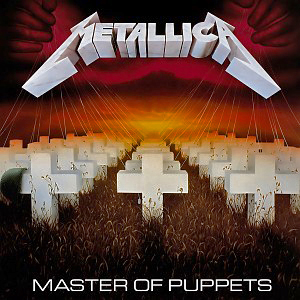
Master of Puppets, released on March 3, 1986, is the third studio album by Metallica, widely considered one of the most influential and successful heavy metal bands of all time. Produced by Flemming Rasmussen and Metallica, the album has been certified 6x Platinum by the RIAA, with over 6 million copies sold in the United States alone. The album's themes of control, addiction, and the effects of war are conveyed through aggressive and complex music, with songs like 'Battery', 'Master of Puppets', and 'Welcome Home (Sanitarium)' showcasing the band's technical proficiency and lyrical depth. With a vibe score of 8.5, Master of Puppets has had a lasting impact on the metal genre, influencing bands such as Megadeth, Slayer, and Tool. The album's controversy spectrum is moderate, with some critics arguing that the album's lyrics glorify violence and addiction, while others see it as a commentary on the darker aspects of human nature. As of 2023, Master of Puppets remains one of the most beloved and respected metal albums of all time, with its influence continuing to be felt in the music world.
🎸 Introduction to Master of Puppets
The album Master of Puppets, released on March 3, 1986, marked a significant milestone in the career of American heavy metal band Metallica. As their third studio album, it showcased the band's growing maturity and musical complexity. With its release, Master of Puppets received widespread critical acclaim, praised for its aggressive yet refined sound. The album's success can be attributed to the band's intense touring schedule, which included performances at notable festivals like Lollapalooza. The band's ability to blend different styles, from Thrash Metal to Hard Rock, contributed to its broad appeal.
📀 Album Release and Reception
Master of Puppets was released by Elektra Records and recorded in Copenhagen, Denmark, at Sweet Silence Studios with producer Flemming Rasmussen. The album's production quality was a notable improvement from their previous works, thanks to Rasmussen's expertise. The band's decision to work with Rasmussen proved to be a wise one, as he helped them achieve a more polished sound without sacrificing their signature intensity. The album's reception was overwhelmingly positive, with many critics praising the band's technical proficiency and songwriting skills, as seen in songs like Welcome Home (Sanitarium).
🎶 Musical Style and Composition
Musically, Master of Puppets is characterized by its aggressive and complex compositions, featuring intricate instrumental arrangements and thought-provoking lyrics. The album's musical style is a testament to the band's ability to blend different genres, from Heavy Metal to Progressive Rock. The band's use of Gallop Rhythm and Palm Muting techniques added to the album's distinctive sound. The album's composition was a collaborative effort, with all band members contributing to the songwriting process. This collaborative approach resulted in some of the band's most iconic songs, including Master of Puppets (song) and Battery (song)
🤘 Band Dynamics and Cliff Burton
The album Master of Puppets was the band's final work to feature bassist Cliff Burton, who played a crucial role in shaping the band's sound. Burton's unique playing style and musical approach had a significant impact on the album's overall sound. His use of Harmonics and Arpeggios added a new layer of complexity to the band's music. Unfortunately, Burton's life was cut short in a tragic accident on September 27, 1986, while the band was touring in support of Master of Puppets. His death was a devastating blow to the band and the metal community, as seen in the outpouring of support from fans and fellow musicians, including James Hetfield and Lars Ulrich.
📊 Commercial Success and Chart Performance
Master of Puppets was a commercial success, reaching the top 30 on the Billboard 200 chart and achieving RIAA Certification for sales of over 6 million copies in the United States alone. The album's success can be attributed to the band's intense touring schedule, which included performances at notable festivals like Monsters of Rock. The album's chart performance was a testament to the band's growing popularity and the album's enduring appeal. The album's success also spawned several successful singles, including Welcome Home (Sanitarium) and Master of Puppets (song).
🎧 Recording Process and Production
The recording process for Master of Puppets took place at Sweet Silence Studios in Copenhagen, Denmark, with producer Flemming Rasmussen at the helm. The band's decision to work with Rasmussen proved to be a wise one, as he helped them achieve a more polished sound without sacrificing their signature intensity. The album's production quality was a notable improvement from their previous works, thanks to Rasmussen's expertise. The band's use of 24-Track Recording and Analog Mixing techniques added to the album's distinctive sound. The album's recording process was a collaborative effort, with all band members contributing to the production process.
🚐 Touring and Tragedy
While touring in support of Master of Puppets, the band faced a devastating tragedy when their tour bus was involved in an accident in Dörarp, Sweden, resulting in the death of bassist Cliff Burton. The accident occurred on September 27, 1986, and was a devastating blow to the band and the metal community. The band's decision to continue touring after Burton's death was a testament to their dedication to their music and their fans. The tour, which included performances at notable festivals like Lollapalooza, was a huge success, despite the challenges the band faced. The band's ability to persevere in the face of tragedy was a testament to their strength and resilience.
👥 Influence and Legacy
Master of Puppets has had a significant influence on the metal genre, with many bands citing it as a major inspiration. The album's complex compositions and thought-provoking lyrics have made it a staple of the metal genre. The album's influence can be seen in bands like Slayer and Megadeth, who have both cited Master of Puppets as a major influence. The album's enduring popularity is a testament to its timeless appeal, with many fans continuing to discover and appreciate the album's music. The album's influence extends beyond the metal genre, with its music and themes being referenced in popular culture, including films and television shows like The Simpsons.
📝 Lyrics and Themes
The lyrics of Master of Puppets deal with themes of anger, frustration, and social commentary, with songs like Welcome Home (Sanitarium) and Disposable Heroes addressing issues like war and social control. The album's lyrics are a testament to the band's ability to craft thought-provoking and meaningful songs. The album's use of Metaphor and Allegory adds to the lyrics' complexity and depth. The album's themes are timeless, continuing to resonate with listeners today. The album's lyrics have been praised for their intelligence and insight, with many critics noting the band's ability to craft songs that are both personal and universal.
🏆 Accolades and Rankings
Master of Puppets has received widespread critical acclaim, with many considering it one of the greatest metal albums of all time. The album has been certified RIAA Certification for sales of over 6 million copies in the United States alone. The album's success has been recognized by various publications, including Rolling Stone, who have included it in their list of the 500 Greatest Albums of All Time. The album's influence can be seen in many other genres, including Punk Rock and Alternative Rock. The album's enduring popularity is a testament to its timeless appeal, with many fans continuing to discover and appreciate the album's music.
🔮 Cultural Impact and Enduring Popularity
Master of Puppets has had a lasting impact on popular culture, with its music and themes being referenced in films, television shows, and other forms of media. The album's influence can be seen in many other genres, including Hip-Hop and Electronic Music. The album's enduring popularity is a testament to its timeless appeal, with many fans continuing to discover and appreciate the album's music. The album's music has been used in various forms of media, including films like Old School and television shows like The Sopranos. The album's influence extends beyond the music industry, with its themes and ideas being referenced in literature and art.
Key Facts
- Year
- 1986
- Origin
- California, USA
- Category
- Music
- Type
- Album
Frequently Asked Questions
What is the release date of Master of Puppets?
Master of Puppets was released on March 3, 1986. The album was a significant milestone in the career of American heavy metal band Metallica. As their third studio album, it showcased the band's growing maturity and musical complexity. The album's success can be attributed to the band's intense touring schedule, which included performances at notable festivals like Lollapalooza.
Who produced Master of Puppets?
Master of Puppets was produced by Flemming Rasmussen. Rasmussen's expertise helped the band achieve a more polished sound without sacrificing their signature intensity. The album's production quality was a notable improvement from their previous works, thanks to Rasmussen's expertise. The band's decision to work with Rasmussen proved to be a wise one, as he helped them achieve a more refined sound.
What is the significance of Master of Puppets in the metal genre?
Master of Puppets is considered one of the most influential metal albums of all time, with its complex compositions and thought-provoking lyrics making it a staple of the genre. The album's influence can be seen in many other genres, including Punk Rock and Alternative Rock. The album's enduring popularity is a testament to its timeless appeal, with many fans continuing to discover and appreciate the album's music.
What happened to Cliff Burton after the release of Master of Puppets?
Cliff Burton, the bassist of Metallica, died on September 27, 1986, after the band's tour bus was involved in an accident in Dörarp, Sweden. The accident occurred while the band was touring in support of Master of Puppets. Burton's death was a devastating blow to the band and the metal community, as seen in the outpouring of support from fans and fellow musicians, including James Hetfield and Lars Ulrich.
What is the cultural impact of Master of Puppets?
Master of Puppets has had a lasting impact on popular culture, with its music and themes being referenced in films, television shows, and other forms of media. The album's influence can be seen in many other genres, including Hip-Hop and Electronic Music. The album's enduring popularity is a testament to its timeless appeal, with many fans continuing to discover and appreciate the album's music.