
Contents
Overview
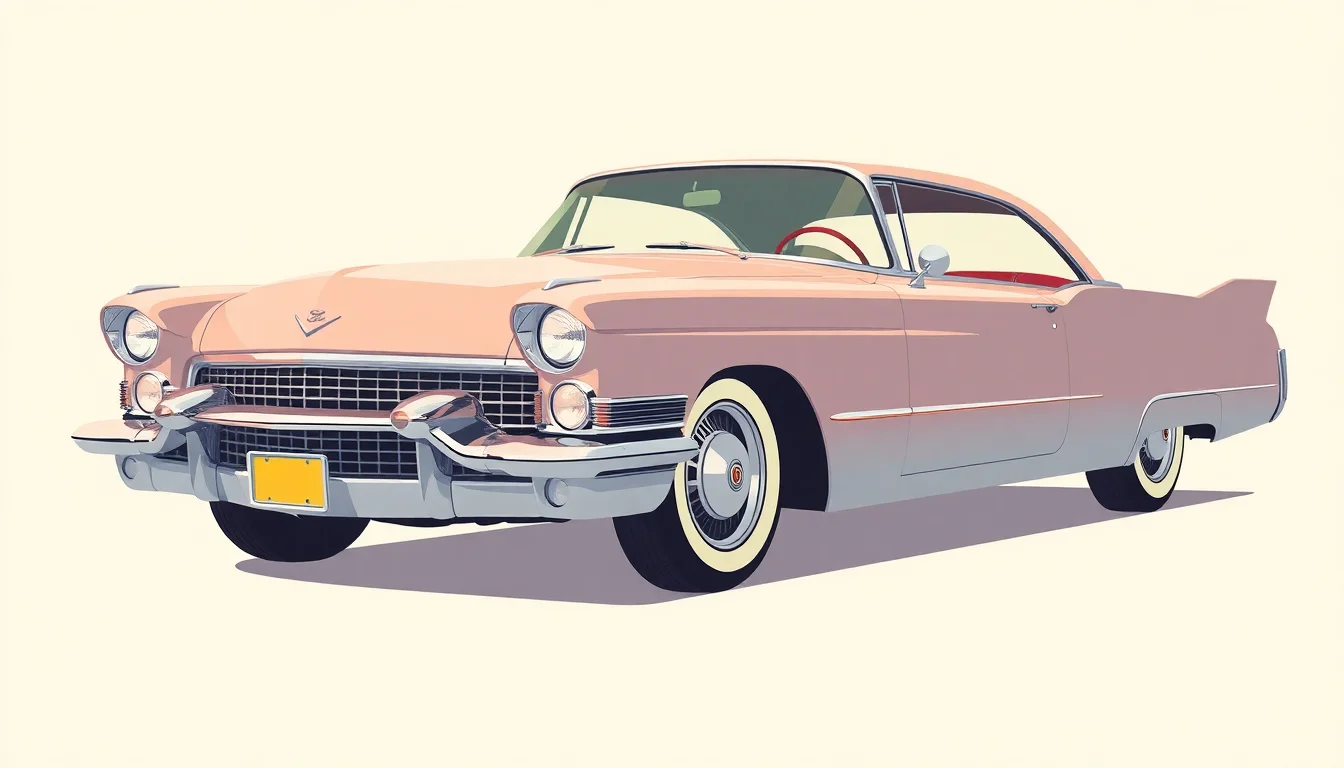
The genesis of "Maybellene" lies in the fertile ground of mid-20th century American music, specifically the intersection of country, blues, and nascent rock and roll. Chuck Berry adapted the melody and structure from "Ida Red," a western swing fiddle tune popularized by artists like Bob Wills and His Texas Playboys in the 1930s. Chuck Berry and Johnnie Johnson began performing a blues-infused version of "Ida Red" in the early 1950s. It was during a performance at the Golden Rod Showboat that Berry first introduced the narrative of a car chase, reportedly inspired by a listener's suggestion. This pivotal moment transformed the song, leading to the iconic lyrics about a V8 Ford and a Cadillac Coupe DeVille, a story that resonated deeply with a generation enamored with automobiles and burgeoning youth culture. The final version was recorded for Chess Records in Chicago, with engineer Tom Dowd (though often credited to Willie Dixon or Leonard Chess) at the helm.
⚙️ How It Works
"Maybellene" functions as a masterclass in early rock and roll arrangement and performance. The song is built around Chuck Berry's signature guitar intro, a driving, syncopated riff that immediately signals its energetic intent. His vocal delivery is clear and conversational, narrating a story of romantic pursuit and rivalry. The instrumentation is sparse but effective: Berry's electric guitar, Johnnie Johnson's piano providing a boogie-woogie foundation, Willie Dixon on bass, and Jasper Thomas on drums. The song's structure follows a typical blues pattern but is injected with a relentless tempo and a sense of urgency, mirroring the car chase narrative. The lyrics, detailing the chase between a V8 Ford and a Cadillac Coupe DeVille, are a key component, painting a vivid picture of youthful desire and competition that was revolutionary for its time.
📊 Key Facts & Numbers
The commercial success of "Maybellene" was staggering for its era, marking a significant breakthrough for Chuck Berry and Chess Records. The single reportedly sold over one million copies, a benchmark for hits at the time. It reportedly topped the Billboard Rhythm and Blues Best Sellers chart for 11 weeks, a dominant performance that underscored its appeal within the Black community. Crucially, it also reportedly crossed over to the mainstream, reaching number 5 on the Billboard Pop chart. This dual success was instrumental in breaking down racial barriers in popular music, demonstrating that a song by a Black artist could achieve widespread popularity across different demographics. The song's enduring legacy is further evidenced by its consistent presence on "greatest songs of all time" lists compiled by publications like Rolling Stone.
👥 Key People & Organizations
The creation and success of "Maybellene" are inextricably linked to a few key figures and entities. Chuck Berry, the artist and primary songwriter, is the undeniable architect of the song's sound and narrative. Johnnie Johnson, Berry's longtime pianist, provided essential harmonic and rhythmic support, contributing significantly to the song's distinctive feel. Leonard Chess and Phil Chess, founders of Chess Records, recognized the potential of Berry's music and provided the crucial platform for its release and distribution. While often credited to Willie Dixon, the actual recording sessions involved engineers like Tom Dowd and session musicians who laid down the track's iconic rhythm section. The song's success also owes a debt to the DJs and radio programmers, particularly in urban centers, who championed the record and exposed it to a broad audience.
🌍 Cultural Impact & Influence
"Maybellene" stands as a monumental cultural artifact, fundamentally shaping the trajectory of rock and roll and youth culture. Its fusion of blues, country, and R&B elements, coupled with Berry's charismatic performance and relatable lyrical themes of cars and romance, provided a blueprint for countless artists. The song's crossover appeal was a significant moment in the desegregation of popular music, proving that musical innovation could transcend racial divides. Rolling Stone's assertion that "Rock & roll guitar starts here" highlights its profound influence on guitar-centric music. The song's narrative, depicting a youthful chase and romantic drama, tapped into the burgeoning post-war adolescent identity, making it an anthem for a new generation. Its enduring popularity is reflected in its inclusion in the Grammy Hall of Fame and its status as a foundational piece in music history curricula worldwide.
⚡ Current State & Latest Developments
As a foundational track of rock and roll, "Maybellene" continues to be celebrated and reinterpreted. While the original recording remains a staple on classic rock radio and streaming platforms, its influence is perpetually renewed through new generations of musicians. Cover versions, though less prominent than the original, continue to emerge, keeping the song's spirit alive. Berry's own performances of the song throughout his career, often as an encore, demonstrated its enduring power. The song's status as a historical touchstone means it is frequently referenced in documentaries, academic studies, and retrospectives on the birth of rock and roll, ensuring its ongoing relevance in discussions of music history and cultural evolution.
🤔 Controversies & Debates
The primary controversy surrounding "Maybellene" centers on its songwriting credits and its relationship to "Ida Red." While Chuck Berry is credited as the songwriter, the clear melodic and structural debt to "Ida Red" has led to discussions about originality and appropriation. Some accounts suggest that Chess Records initially released the song under the title "Ida Red" before Berry's name was added, and that the song's success was so immediate that legal disputes over royalties were complex. Furthermore, the role of Johnnie Johnson in shaping the song's musical arrangement, particularly the piano parts, has led to debates about the extent of his uncredited contributions. These discussions highlight the often-murky waters of authorship and influence in the early days of rock and roll, where established folk and blues traditions were frequently reinterpreted.
🔮 Future Outlook & Predictions
The future of "Maybellene" is intrinsically tied to the enduring legacy of Chuck Berry and the genre he helped define. As long as rock and roll remains a significant cultural force, "Maybellene" will continue to be studied, performed, and appreciated. Its narrative of youthful exuberance and automotive freedom remains timeless, resonating with contemporary audiences through its sheer energy and historical significance. Future developments might include more in-depth analyses of its recording techniques, further exploration of its influence on specific subgenres of guitar music, or perhaps even AI-driven reinterpretations that attempt to capture its spirit while offering a novel sonic experience. The song's place in the pantheon of musical masterpieces seems assured, a constant reminder of rock's explosive birth.
💡 Practical Applications
The practical applications of "Maybellene" are primarily found within the music industry and cultural studies. As a pedagogical tool, it serves as an exemplary case study for understanding the origins of rock and roll, demonstrating the fusion of musical genres and the importance of lyrical storytelling. For aspiring musicians, it offers lessons in crafting memorable guitar riffs, dynamic vocal performances, and engaging narratives. The song's success also provides a case study in music marketing and crossover appeal, illustrating how a record can break down racial barriers and achieve broad commercial success. Furthermore, its lyrical content and themes of cars and youthful romance make it a valuable artifact for historians studying post-war American culture, automotive history, and the evolution of adolescent identity.
Key Facts
- Category
- music
- Type
- topic