
Contents
Overview
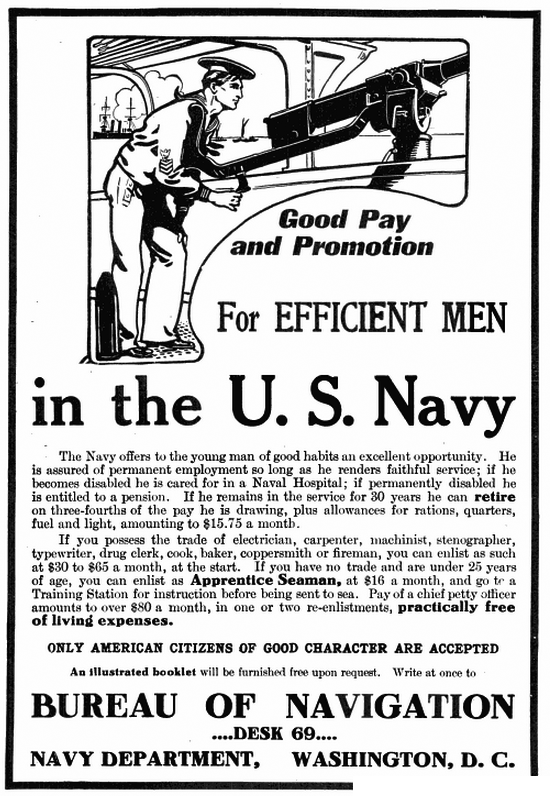
The concept of military recruitment, and by extension the role of the recruiter, is as old as organized warfare itself. Historically, armies were often formed through conscription, levied populations, or the promise of plunder and glory. As professional standing armies became the norm, the need for dedicated individuals to seek out and persuade potential soldiers grew. Early forms of recruitment often involved town criers, public enlistment drives, and even bounties offered for new recruits. The establishment of formal military organizations in the 17th and 18th centuries, such as the British Army and the French Army, necessitated more structured approaches. The advent of volunteer forces, particularly in the 20th century with the abolition of conscription in many Western nations, elevated the recruiter's role from a simple enlistment officer to a strategic marketer of military careers. The U.S. Marine Corps, for instance, has a long-standing tradition of highly visible and effective recruiting campaigns, often setting the standard for other branches.
⚙️ How It Works
Military recruiters operate within a structured framework designed to identify, attract, and enlist eligible candidates. Their work involves a multi-pronged approach: engaging with high school students through career fairs and presentations, building relationships with guidance counselors, attending community events, and utilizing digital platforms for outreach. Recruiters must thoroughly understand the requirements for enlistment, including age, education, physical fitness, and background checks, as outlined by their respective service branches like the U.S. Army or the Royal Canadian Navy. They present various career paths, educational benefits like the GI Bill, and the overall mission and values of the military. The process culminates in the candidate passing entrance exams, such as the AFQT, and undergoing a medical examination before taking the Oath of Enlistment.
📊 Key Facts & Numbers
Globally, military recruitment is a massive undertaking. The increasing difficulty in recruitment is highlighted by the fact that an estimated 77% of 17-24 year olds in the U.S. are ineligible for military service due to factors like obesity, criminal records, or drug use. The annual cost of military recruiting in the U.S. is estimated to be in the billions of dollars, encompassing advertising, personnel, and operational expenses for thousands of recruiting stations worldwide.
👥 Key People & Organizations
Key organizations central to military recruitment include the individual branches of a nation's armed forces, such as the U.S. Navy, U.S. Air Force, and U.S. Space Force. Each branch maintains its own recruiting command, staffed by recruiters who are often non-commissioned officers (NCOs) with proven leadership skills. Prominent figures in recruitment history include individuals who developed iconic advertising campaigns, like Don Draper from the fictional Mad Men series (though fictional, it reflects the era's advertising strategies), and real-world figures who have championed military service. Organizations like the Army Recruiting Command and its counterparts in other services are responsible for setting quotas, developing strategies, and managing the recruiter force. Non-profit organizations that support veterans and military families also play a role in shaping public perception of military careers.
🌍 Cultural Impact & Influence
Military recruiters significantly shape public perception of the armed forces. Their presence in schools, communities, and media outlets influences how young people and their families view military service. Successful recruitment campaigns, like the iconic "Be All You Can Be" slogan for the U.S. Army, have become ingrained in popular culture. Conversely, controversial recruiting tactics or perceived misrepresentations can damage trust and lead to public backlash. The portrayal of recruiters in media, from films like "An Officer and a Gentleman" to television shows, often oscillates between heroic figures and manipulative salespeople, reflecting the complex societal role they occupy. Their efforts directly contribute to the demographic makeup and diversity of the military, impacting everything from unit cohesion to public opinion.
⚡ Current State & Latest Developments
In 2024, military recruitment continues to face significant headwinds. The U.S. Army has implemented new initiatives, including expanded partnerships with TikTok influencers and increased focus on digital recruitment, to reach a younger demographic. The U.S. Marine Corps is also experimenting with new outreach methods, including virtual reality experiences and gamified recruitment tools. Concerns about the declining pool of eligible recruits persist, prompting discussions about potential policy changes, such as adjusting physical fitness standards or educational requirements. Geopolitical tensions and global events can also influence recruitment, sometimes increasing interest in service during times of perceived threat, while at other times fostering skepticism or opposition to military involvement.
🤔 Controversies & Debates
The ethics and methods of military recruitment are a perennial source of debate. Critics often point to recruiters targeting young, impressionable individuals, sometimes in under-resourced schools, and question whether all potential recruits fully understand the lifelong commitment and risks involved. Allegations of recruiters exaggerating benefits or downplaying dangers have surfaced periodically, leading to increased oversight and training for recruiters. Conversely, proponents argue that recruiters provide valuable information about legitimate career opportunities, educational benefits, and a chance to serve one's country, especially for those with limited civilian prospects. The debate intensifies during periods of low enlistment, as branches may face pressure to meet quotas, potentially leading to more aggressive tactics. The role of military-industrial complex advertising budgets also fuels discussions about the influence of commercial marketing on national defense recruitment.
🔮 Future Outlook & Predictions
The future of military recruitment will likely be shaped by technological advancements and evolving societal demographics. Expect increased reliance on AI-driven recruitment platforms, personalized digital marketing, and virtual reality simulations to engage potential recruits. As the eligible population continues to shrink in many developed nations, militaries may need to broaden their recruitment pools, potentially by considering individuals with specific skill sets previously overlooked or by adjusting entry requirements. International recruitment, already practiced by some nations, could become more prevalent. The ongoing challenge will be to balance the need for qualified personnel with maintaining public trust and ethical recruiting practices, ensuring that service members are joining with informed consent and realistic expectations about their service.
💡 Practical Applications
Military recruiters serve a fundamental practical application in ensuring national security by maintaining the personnel strength of armed forces. Beyond direct enlistment, their role involves educating the public about military careers, benefits, and the role of the military in society. They act as liaisons between civilian communities and military institutions, fostering understanding and support. For individuals, recruiters provide a pathway to structured careers, educational opportunities, and a chance for personal development and service. The information provided by recruiters can significantly influence life decisions for young adults, impacting their financial stability, skill development, and life trajectory. Their work also supports the broader defense ecosystem
Key Facts
- Category
- culture
- Type
- topic