
Contents
Overview
The concept of visually organizing information has ancient roots, with Plato and Aristotle employing hierarchical diagrams. The modern iteration of mind mapping, as widely recognized today, owes much to the work of Tony Buzan. Buzan, a British author and educational consultant, popularized the technique, framing it as a revolutionary tool for learning and creativity. His seminal work, "Use Your Head" (1974), and later "The Mind Map Book" (1993), co-authored with Terry Flewelling, laid out the principles of radial thinking, key imagery, and color coding. Buzan's approach was heavily influenced by research into brain function and memory techniques, aiming to align cognitive processes with a more natural, non-linear way of thinking. Prior to Buzan, figures like Alex Osborn, the father of brainstorming, and Alfred Korzybski with his work on general semantics, had explored related concepts of idea generation and structured thinking, providing a fertile ground for Buzan's synthesis.
⚙️ How It Works
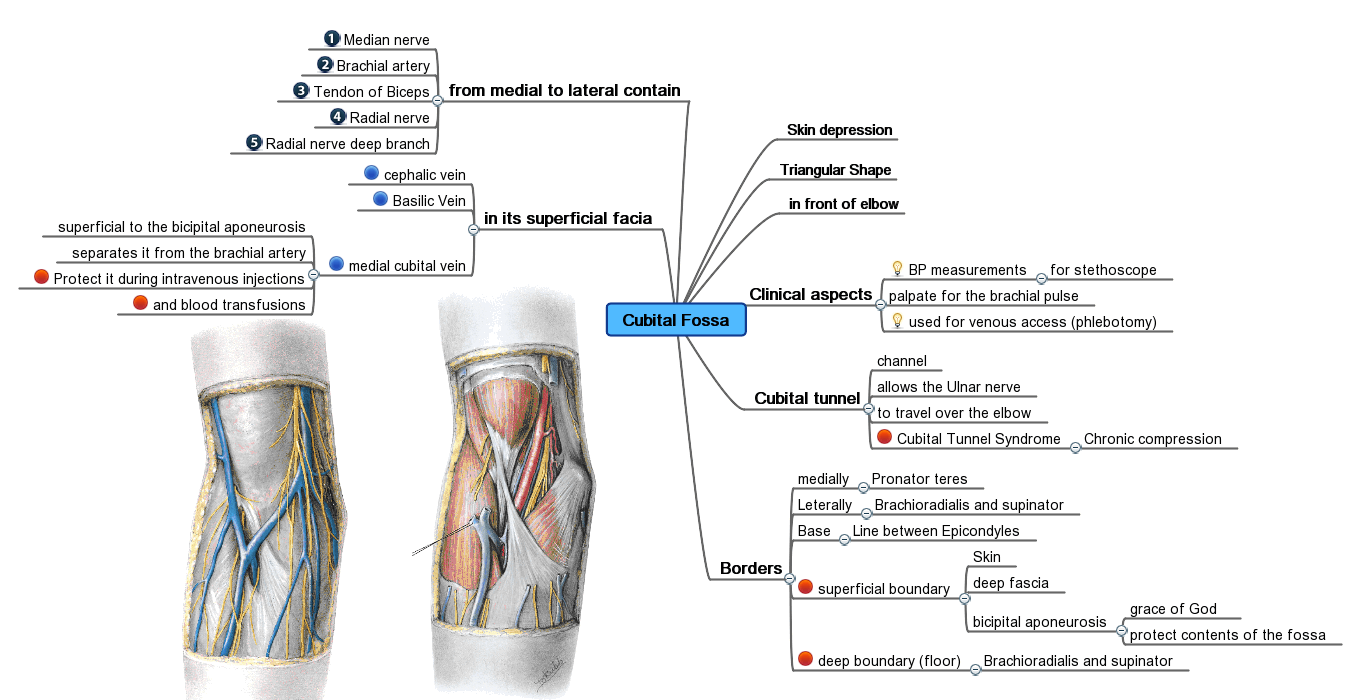
At its core, a mind map begins with a central idea or image, from which branches radiate outwards. Each main branch represents a primary concept related to the central theme, and sub-branches extend from these to detail further ideas, facts, or tasks. The structure is inherently hierarchical, mirroring the way the brain often processes information. Key elements include the use of keywords, colors, and images to enhance recall and engagement. For instance, a mind map about planning a vacation might have "Vacation" at the center, with main branches for "Destination," "Budget," "Activities," and "Logistics." Each of these branches would then sprout further sub-branches detailing specific cities, flight costs, sightseeing options, or packing lists. The visual nature encourages associative thinking, allowing users to see connections and relationships between disparate pieces of information that might be missed in linear notes. Software like MindManager and XMind now digitize this process, offering templates and advanced features.
📊 Key Facts & Numbers
Mind mapping adoption in education has been linked to improved academic performance. Businesses utilize mind mapping for project management. Millions of students and professionals worldwide engage with mind mapping principles daily, often without realizing the direct lineage to foundational texts.
👥 Key People & Organizations
The most prominent figure associated with mind mapping books is Tony Buzan, whose extensive body of work, including "The Mind Map Book," cemented the technique's popularity. His organization, Buzan Centres, continues to promote mind mapping through training and certification programs worldwide. Other key authors have contributed significantly, such as Christopher Gagnon and Jacques Barclay with their "Mind Mapping Mastery." In the corporate world, organizations like IBM and Google have incorporated mind mapping principles into their internal training and innovation processes, often through workshops led by certified Buzan instructors or internal champions. Software developers like Mindjet (creators of MindManager) and the developers behind XMind have also played a crucial role in disseminating the practice through accessible digital tools, often referencing the foundational concepts laid out in early mind mapping literature.
🌍 Cultural Impact & Influence
Mind mapping books have influenced how individuals approach learning, creativity, and problem-solving across diverse fields. In education, they've empowered students and educators to move beyond rote memorization towards deeper conceptual understanding, fostering critical thinking skills. The technique's adoption by businesses has streamlined brainstorming sessions, project planning, and strategic development, leading to more innovative solutions and efficient workflows. Popular culture has also absorbed the visual language of mind maps, with their aesthetic appearing in graphic design, presentations, and even artistic expressions. The proliferation of mind mapping software, directly inspired by the principles detailed in these books, has made the technique accessible to millions, embedding it into the digital toolkit of knowledge workers. The emphasis on visual learning has also spurred further research into cognitive science and educational psychology, validating many of Buzan's original claims about the brain's capacity for associative thinking. The influence extends to personal development, where individuals use mind maps for goal setting, journaling, and self-reflection.
⚡ Current State & Latest Developments
The current landscape of mind mapping books is robust, with new titles emerging that explore niche applications and integrate with digital tools. While Tony Buzan's foundational works remain influential, contemporary authors are focusing on specific domains like business strategy, personal development, and software development. The rise of AI-powered mind mapping tools, such as Whimsical and MindMeister, is also shaping the content of newer books, which now often include chapters on leveraging these advanced features. There's a growing emphasis on integrating mind mapping with other productivity methodologies, like Agile and Design Thinking. Furthermore, books are increasingly addressing the challenges of remote collaboration using digital mind mapping platforms, reflecting the shift towards distributed workforces. The ongoing research into neuroscience and learning continues to provide new insights, which are being incorporated into updated editions and new publications, ensuring the relevance of mind mapping principles in the digital age.
🤔 Controversies & Debates
One persistent debate revolves around the originality of Tony Buzan's "discovery" of mind mapping. Skeptics argue that Buzan synthesized existing techniques from figures like Alex Osborn and Alfred Korzybski without sufficient attribution, and that hierarchical diagrams have been used for centuries. Another point of contention is the effectiveness of mind mapping for highly linear or analytical tasks, with some critics suggesting it can oversimplify complex data or lead to superficial understanding if not applied rigorously. The debate also extends to the commercialization of mind mapping, with accusations that the Buzan organization has sometimes over-hyped the technique's benefits, leading to unrealistic expectations. Furthermore, the effectiveness of mind mapping in purely digital versus analog formats is sometimes debated, with proponents of handwriting emphasizing its superior cognitive engagement compared to typing on a keyboard or using software. The extent to which mind mapping is a universally applicable cognitive tool versus a technique best suited for specific learning styles or tasks remains a subject of discussion.
🔮 Future Outlook & Predictions
The future of mind mapping books is intrinsically linked to technological advancements and evolving cognitive science. We can expect to see more titles exploring the integration of mind mapping with AI-driven insights, where software can suggest connections, analyze data patterns, and even auto-generate map structures. Books will likely delve deeper into the neuroscien
Key Facts
- Category
- books
- Type
- topic