
Contents
- 🌎 Introduction to Mine Waste
- 📍 Location & Environmental Impact
- 💰 Economic Consequences of Mine Waste
- 📊 Comparison with Other Environmental Issues
- 👥 Who's Affected by Mine Waste
- 🤝 Organizations Working to Mitigate Mine Waste
- 📚 Resources for Further Learning
- 💡 Practical Tips for Reducing Mine Waste
- 📊 Statistics on Mine Waste
- 🌟 Success Stories in Mine Waste Management
- 🌐 Global Efforts to Address Mine Waste
- Frequently Asked Questions
- Related Topics
Overview
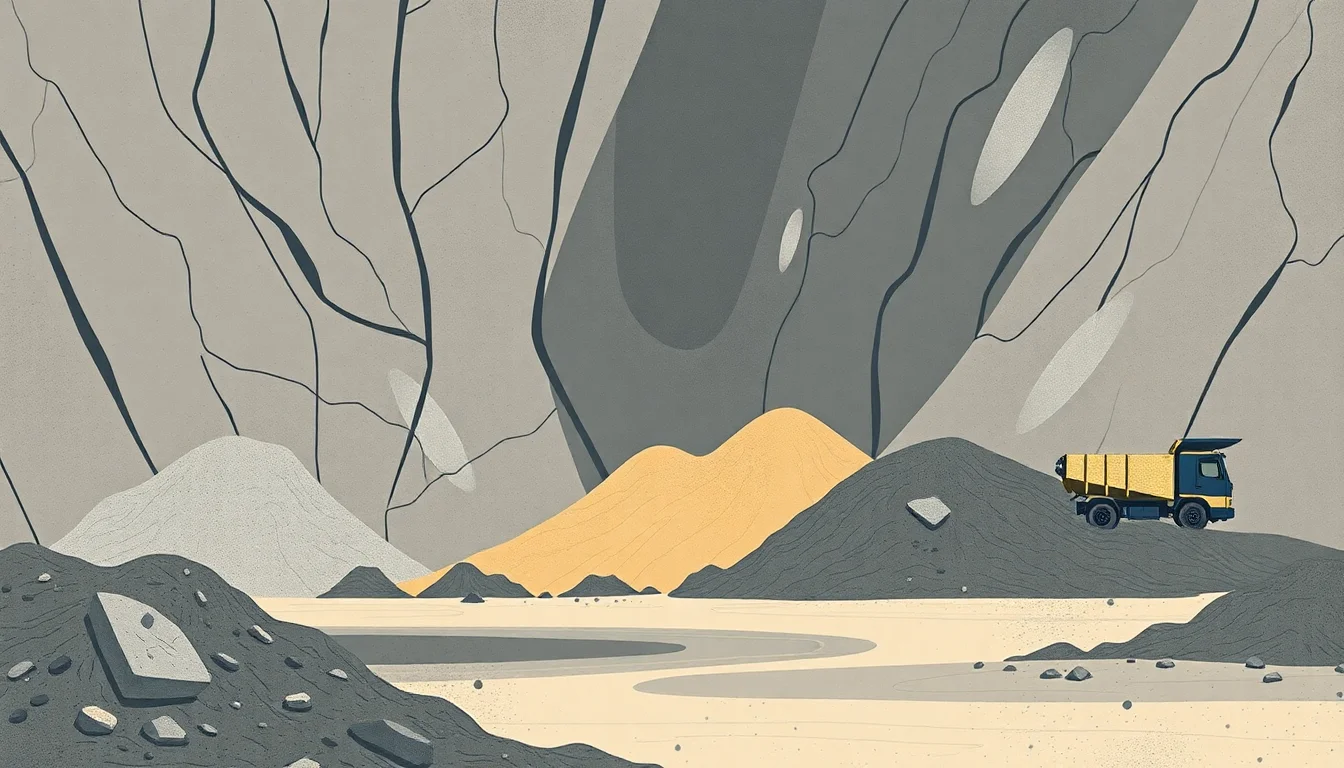
Mine waste, also known as tailings, is the residual material left over after the extraction and processing of minerals from ore. The storage and disposal of mine waste pose significant environmental risks, including water pollution, soil contamination, and loss of biodiversity. According to the United Nations Environment Programme (UNEP), the mining industry generates approximately 100 billion tons of waste annually, with some mines producing up to 10 times more waste than actual minerals. The environmental and social consequences of mine waste are far-reaching, affecting not only local ecosystems but also human health and livelihoods. For instance, the 2015 Samarco dam disaster in Brazil, which released 60 million cubic meters of toxic tailings into the environment, resulted in widespread devastation and loss of life. As the global demand for minerals continues to grow, it is essential to develop more sustainable and responsible mining practices to mitigate the impacts of mine waste.
🌎 Introduction to Mine Waste
Mine waste, also known as mining waste or extractive waste, refers to the unwanted or unusable materials left over after the extraction and processing of minerals, metals, and other geological materials. This type of waste can have severe environmental and health consequences, including environmental pollution and water contamination. The management of mine waste is a critical issue that requires attention from governments, corporations, and individuals. For more information on the environmental impact of mining, visit the mining industry page. The UN Environment Programme also provides valuable resources on this topic.
📍 Location & Environmental Impact
Mine waste can be found in various locations around the world, including abandoned mines, tailings ponds, and waste rock dumps. The environmental impact of mine waste can be significant, with effects on local ecosystems, biodiversity, and human health. For example, the Ok Tedi mine in Papua New Guinea has been the site of significant environmental damage due to mine waste. The Environmental Protection Agency (EPA) provides guidance on the management of mine waste and its environmental impact.
💰 Economic Consequences of Mine Waste
The economic consequences of mine waste can be substantial, with costs associated with cleanup, remediation, and compensation for affected communities. The World Bank estimates that the annual cost of environmental damage from mining is around $10 billion. In addition to these costs, mine waste can also have negative impacts on local economies, including loss of biodiversity and degradation of ecosystems. The International Council on Mining and Metals (ICMM) provides guidance on sustainable mining practices, including the management of mine waste.
📊 Comparison with Other Environmental Issues
Compared to other environmental issues, such as climate change and deforestation, mine waste may seem like a relatively minor problem. However, the consequences of mine waste can be severe and long-lasting, with effects on local ecosystems and human health. The United Nations Environment Programme (UNEP) provides information on the environmental impact of mining and the management of mine waste. For more information on environmental issues, visit the environmental issues page.
👥 Who's Affected by Mine Waste
The people most affected by mine waste are often those living in close proximity to mining operations, including indigenous communities and rural populations. These communities may experience a range of negative impacts, including water pollution, air pollution, and soil contamination. The indigenous peoples' movement has highlighted the need for greater recognition of indigenous rights and greater protection of indigenous lands from the impacts of mining. The Human Rights Watch organization also provides information on the human rights impacts of mining.
🤝 Organizations Working to Mitigate Mine Waste
There are several organizations working to mitigate the effects of mine waste, including the MiningWatch Canada and the Earthworks organization. These organizations provide information and resources on sustainable mining practices, including the management of mine waste. The World Wildlife Fund (WWF) also provides information on the environmental impact of mining and the importance of sustainable mining practices.
📚 Resources for Further Learning
For those interested in learning more about mine waste, there are several resources available, including the Mining Journal and the Environmental Science & Technology journal. The University of Queensland also provides information on mining and the environment, including the management of mine waste. The British Geological Survey (BGS) provides information on the geology of mining and the environmental impact of mining operations.
💡 Practical Tips for Reducing Mine Waste
There are several practical tips for reducing mine waste, including the use of sustainable mining practices, such as in-situ leaching and bioremediation. The mining industry can also reduce waste by implementing more efficient extraction and processing methods. Individuals can also make a difference by supporting organizations that work to mitigate the effects of mine waste and by making informed choices about the products they buy. The rmi provides information on responsible mineral sourcing.
📊 Statistics on Mine Waste
The statistics on mine waste are staggering, with an estimated 10 billion tons of waste generated by the mining industry each year. The UN Environment Programme estimates that the annual cost of environmental damage from mining is around $10 billion. The World Bank also provides information on the economic and environmental impacts of mining, including the management of mine waste. The ICMM provides guidance on sustainable mining practices.
🌟 Success Stories in Mine Waste Management
There are several success stories in mine waste management, including the reclamation of mined lands and the use of sustainable mining practices. The mining industry has made significant progress in recent years in reducing waste and improving environmental performance. The UNEP provides information on the environmental impact of mining and the management of mine waste. The WWF also provides information on the importance of sustainable mining practices.
🌐 Global Efforts to Address Mine Waste
The global efforts to address mine waste are ongoing, with several international organizations and initiatives working to mitigate the effects of mine waste. The UN Environment Programme provides information on the environmental impact of mining and the management of mine waste. The ICMM also provides guidance on sustainable mining practices, including the management of mine waste. The G20 has also recognized the importance of sustainable mining practices and the need for greater international cooperation on this issue.
Key Facts
- Year
- 2015
- Origin
- Global, with significant hotspots in Brazil, Australia, and South Africa
- Category
- Environmental Issues
- Type
- Environmental Issue
Frequently Asked Questions
What is mine waste?
Mine waste, also known as mining waste or extractive waste, refers to the unwanted or unusable materials left over after the extraction and processing of minerals, metals, and other geological materials. This type of waste can have severe environmental and health consequences, including environmental pollution and water contamination. For more information on the environmental impact of mining, visit the mining industry page.
What are the environmental consequences of mine waste?
The environmental consequences of mine waste can be significant, with effects on local ecosystems, biodiversity, and human health. The management of mine waste is a critical issue that requires attention from governments, corporations, and individuals. The UN Environment Programme provides valuable resources on this topic. The Environmental Protection Agency (EPA) also provides guidance on the management of mine waste and its environmental impact.
How can we reduce mine waste?
There are several practical tips for reducing mine waste, including the use of sustainable mining practices, such as in-situ leaching and bioremediation. The mining industry can also reduce waste by implementing more efficient extraction and processing methods. Individuals can also make a difference by supporting organizations that work to mitigate the effects of mine waste and by making informed choices about the products they buy. The rmi provides information on responsible mineral sourcing.
What are the economic consequences of mine waste?
The economic consequences of mine waste can be substantial, with costs associated with cleanup, remediation, and compensation for affected communities. The World Bank estimates that the annual cost of environmental damage from mining is around $10 billion. The ICMM provides guidance on sustainable mining practices, including the management of mine waste.
What are some success stories in mine waste management?
There are several success stories in mine waste management, including the reclamation of mined lands and the use of sustainable mining practices. The mining industry has made significant progress in recent years in reducing waste and improving environmental performance. The UNEP provides information on the environmental impact of mining and the management of mine waste. The WWF also provides information on the importance of sustainable mining practices.
What are the global efforts to address mine waste?
The global efforts to address mine waste are ongoing, with several international organizations and initiatives working to mitigate the effects of mine waste. The UN Environment Programme provides information on the environmental impact of mining and the management of mine waste. The ICMM also provides guidance on sustainable mining practices, including the management of mine waste. The G20 has also recognized the importance of sustainable mining practices and the need for greater international cooperation on this issue.
How can individuals make a difference in reducing mine waste?
Individuals can make a difference by supporting organizations that work to mitigate the effects of mine waste and by making informed choices about the products they buy. The rmi provides information on responsible mineral sourcing. Individuals can also raise awareness about the issue of mine waste and encourage others to take action. The UN Environment Programme provides valuable resources on this topic.