
Contents
Overview
The genesis of mobile gaming predates the smartphone era, with early iterations appearing on feature phones. A Tetris variant on the Hagenuk MT-2000 in 1994 is often cited as one of the first mobile games. However, it was Snake, launched by Nokia in 1997, that truly captured the public imagination, becoming a default experience for millions. By 2005, Snake was estimated to be on 350 million devices. Early mobile games were typically developed by handset manufacturers or licensed through restrictive carrier portals, limiting variety and innovation. The landscape remained fragmented until the late 2000s, when the rise of powerful smartphones and open app marketplaces fundamentally altered distribution and accessibility.
⚙️ How It Works
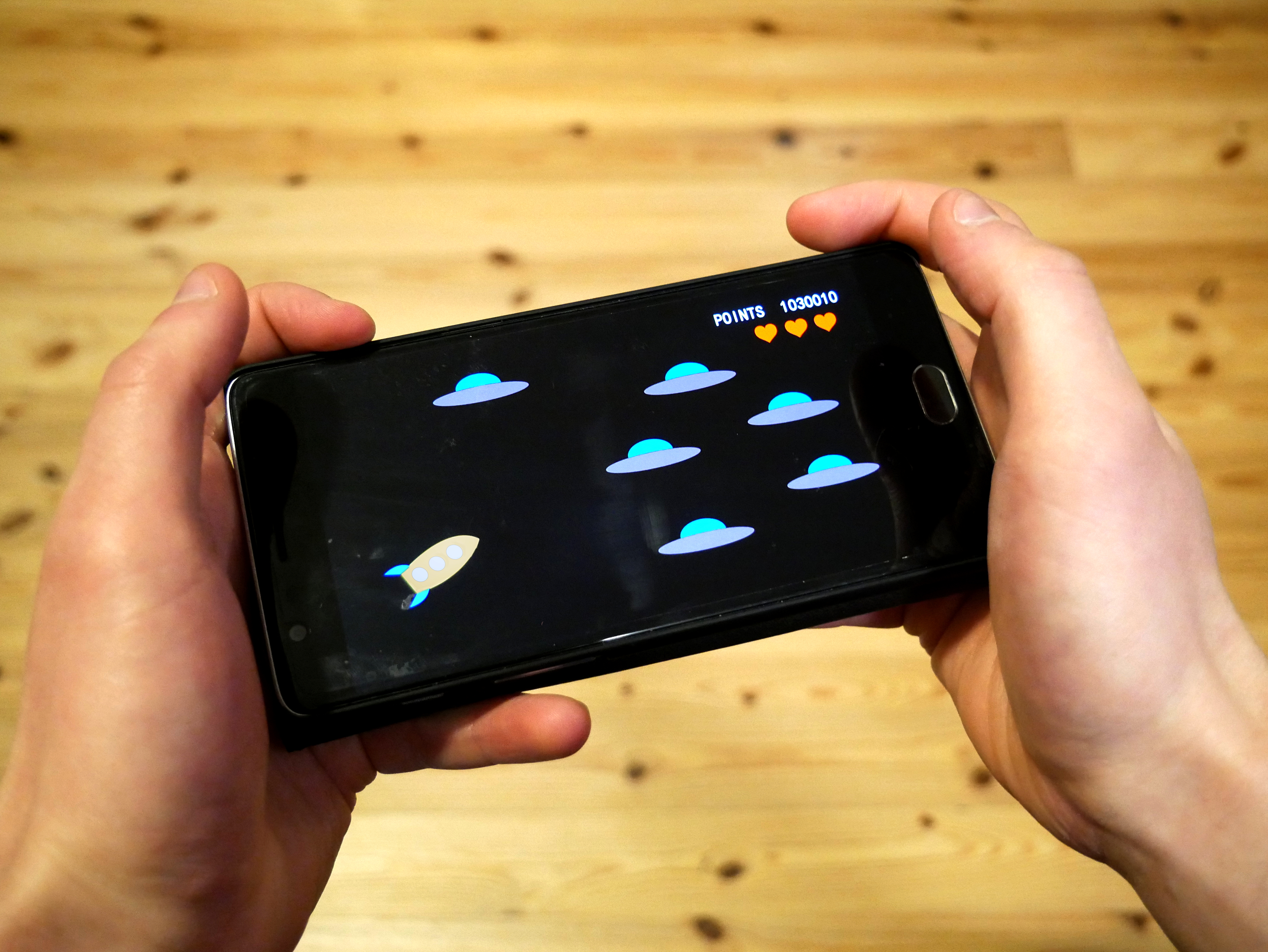
Modern mobile gaming operates on a tiered architecture. At the base are the mobile operating systems, primarily Android (developed by Google) and iOS (developed by Apple). Game developers create applications using SDKs (Software Development Kits) and programming languages like Java or Kotlin for Android, and Swift or Objective-C for iOS. These games are distributed through centralized app stores, which handle payment processing, updates, and user acquisition. Monetization models vary widely, from upfront purchases to free-to-play with in-app purchases (IAPs), subscriptions, and ad-supported revenue streams, often managed by third-party ad networks like AdMob.
📊 Key Facts & Numbers
The scale of mobile gaming is staggering. In 2023, the global mobile games market was valued at approximately $200 billion, projected to grow to over $270 billion by 2028. This segment accounts for over 50% of the total video game market revenue. The average smartphone user spends over 1.5 hours per day playing mobile games. As of 2024, the top-grossing mobile games, such as Honor of Kings and Genshin Impact, generate billions of dollars annually, with some titles exceeding $100 million in monthly revenue. Over 3 billion people worldwide now own a smartphone, providing a massive potential player base.
👥 Key People & Organizations
Key figures in mobile gaming's ascent include Steve Jobs, whose vision for the App Store in 2008 democratized game distribution. Tian Haoyu, lead designer for Tencent's Honor of Kings, oversaw the creation of one of the world's most lucrative mobile titles. miHoYo, the developer behind Genshin Impact, demonstrated the power of high-quality, free-to-play experiences. Major platform holders like Google with Google Play Games and Apple with the App Store are central organizations, alongside publishers like Tencent and Netmarble, and analytics firms like Newzoo that track market trends.
🌍 Cultural Impact & Influence
Mobile gaming has profoundly reshaped entertainment consumption and social interaction. It has made gaming accessible to demographics previously underserved by traditional consoles or PCs, blurring lines between casual and core gamers. The rise of hypercasual games, often played in short bursts, has integrated gaming into daily routines like commuting or waiting in line. Furthermore, mobile gaming has become a significant advertising channel, with in-game ads generating billions and influencing consumer behavior. It has also fostered new communities through social features within games and the rise of mobile esports, exemplified by tournaments for titles like PUBG Mobile.
⚡ Current State & Latest Developments
The current mobile gaming landscape is dominated by free-to-play titles with sophisticated in-app purchase (IAP) and battle pass systems. Live-service games, which continuously receive content updates and events, are the norm, fostering long-term player engagement. Cloud gaming services like Xbox Cloud Gaming are increasingly exploring mobile integration, aiming to bring console-quality experiences to handhelds. The integration of Augmented Reality (AR) continues to be a focus, with games like Pokémon GO demonstrating its potential for location-based, immersive gameplay. Emerging markets in Asia and Africa are showing significant growth, driving new player acquisition.
🤔 Controversies & Debates
Mobile gaming is not without its controversies. The free-to-play model, particularly the use of loot boxes and aggressive monetization tactics, has drawn criticism for potentially predatory practices, leading to regulatory scrutiny in countries like Belgium and the Netherlands. Concerns about excessive screen time, especially among younger players, persist, prompting discussions about parental controls and responsible gaming. Data privacy is another significant issue, with extensive user tracking for targeted advertising and game personalization raising ethical questions. The environmental impact of server farms powering these games and the e-waste from frequent device upgrades are also points of contention.
🔮 Future Outlook & Predictions
The future of mobile gaming appears to be a convergence of several trends. Expect deeper integration with cloud gaming, allowing high-fidelity experiences on less powerful devices. Augmented Reality will likely become more sophisticated, moving beyond simple overlays to truly interactive experiences. The metaverse concept, while still nascent, could find a significant foothold on mobile, with games serving as early gateways. Blockchain technology and NFTs are being explored for player ownership of in-game assets, though their widespread adoption remains debated. Cross-platform play, enabling seamless transitions between mobile, PC, and console, will become increasingly important, further blurring the lines between gaming ecosystems.
💡 Practical Applications
Mobile gaming's practical applications extend beyond entertainment. Educational games, or 'edutainment,' utilize engaging mechanics to teach subjects ranging from math to history. Gamification principles derived from mobile games are applied in corporate training, fitness apps, and productivity tools to increase user motivation and adherence. Mobile games also serve as powerful platforms for social connection, allowing friends and family to interact regardless of geographical distance. Furthermore, they are a significant driver of mobile hardware innovation, pushing the boundaries of processor speeds, display technology, and battery life, benefiting all smartphone users.
Key Facts
- Category
- platforms
- Type
- phenomenon