
Contents
Overview
Modern Architecture, emerging in the early 20th century, shattered centuries of stylistic tradition to prioritize function, new materials, and a rejection of ornamentation. Spearheaded by pioneers like Le Corbusier, Walter Gropius, and Mies van der Rohe, it championed clean lines, open floor plans, and the honest expression of structure. This movement, deeply intertwined with industrialization and social change, sought to create buildings that were both aesthetically progressive and socially relevant, often characterized by the "form follows function" ethos. Its influence is undeniable, shaping urban landscapes and domestic spaces globally, though not without its critics who lament a perceived coldness or detachment from historical context.
🏗️ What is Modern Architecture?
Modern architecture, broadly defined, is a sweeping architectural movement that dominated the 20th century, roughly from the 1920s to the 1960s, though its influence extends far beyond. It emerged as a radical departure from historical styles, prioritizing function, new materials, and a clean, unadorned aesthetic. This wasn't just a stylistic shift; it was a philosophical one, deeply intertwined with the technological advancements and social changes of its era. If you're looking to understand the buildings that shaped the modern urban landscape, from sleek skyscrapers to functionalist homes, this is your starting point. It’s the architectural language of progress, innovation, and a belief in a rational future.
💡 Key Principles & Aesthetics
At its heart, modern architecture is defined by a commitment to form follows function, meaning the building's purpose dictates its design. Ornamentation is largely eschewed in favor of clean lines, geometric forms, and an honest expression of materials like steel, glass, and concrete. Minimalism is a core tenet, stripping away the superfluous to reveal essential structure and space. Think of the iconic glass curtain walls, flat roofs, and open floor plans that characterize many buildings from this period. This aesthetic isn't just about looking good; it's about efficiency, clarity, and a rejection of the perceived excesses of earlier architectural traditions.
🌍 Historical Context & Origins
The roots of modern architecture can be traced to the late 19th and early 20th centuries, a period of intense industrialization and technological innovation. Precursors like the Bauhaus in Germany, founded in 1919, were crucial in synthesizing art, craft, and technology, advocating for mass-producible, functional design. The movement gained momentum through figures like Le Corbusier in France and Mies van der Rohe in Germany and later the United States, who articulated its principles through manifestos and built works. It stood in stark contrast to the revivalist styles that preceded it, such as Neoclassicism and Gothic Revival.
⭐ Notable Architects & Masterpieces
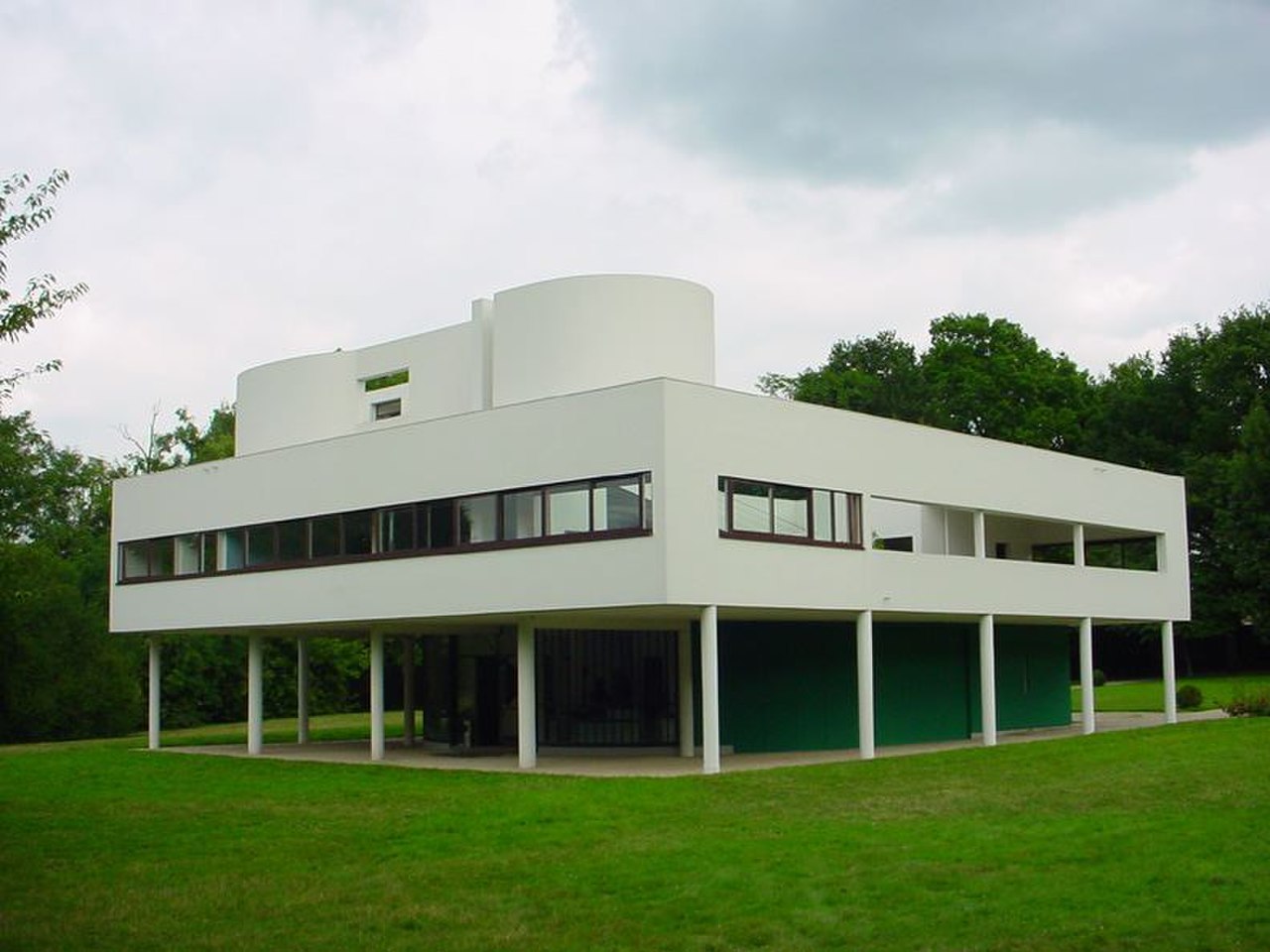
The pantheon of modernist architects is vast, but a few names stand out for their indelible impact. Le Corbusier Villa Savoye (1931) exemplifies his 'five points of architecture,' while Mies van der Rohe Seagram Building (1958) in New York remains an icon of corporate modernism. Walter Gropius, founder of the Bauhaus, designed the iconic Bauhaus Dessau building (1925-26). In the United States, Frank Lloyd Wright Fallingwater (1939) showcases a more organic, site-specific approach to modernism, distinct from the European International Style. These architects didn't just design buildings; they designed philosophies.
🤔 The Modernist Debate
Modern architecture is not without its critics, and the debates surrounding it are as vibrant today as they were in its heyday. Skeptics point to the perceived coldness and sterility of some modernist designs, arguing that the rejection of ornament led to a loss of cultural richness and human connection. The rise of Postmodernism in the latter half of the 20th century was a direct reaction against the perceived dogmatism of modernism, reintroducing historical references and playful eclecticism. The question of whether modernism truly served the needs of all people, particularly in its large-scale urban planning projects, remains a point of contention.
🚀 Influence & Legacy
The influence of modern architecture is undeniable, permeating nearly every aspect of contemporary design and construction. Its emphasis on efficiency, modularity, and the use of new materials continues to inform sustainable building practices. The principles of open-plan living and abundant natural light, championed by modernists, are now standard expectations in residential design. Even buildings that aren't strictly modernist often borrow elements of its clean aesthetic and functional clarity. The International Style, a key branch of modernism, has left an indelible mark on cityscapes worldwide.
🔍 How to Experience Modern Architecture
Experiencing modern architecture firsthand is the best way to grasp its impact. Seek out buildings designed by the masters: visit the Solomon R. Guggenheim Museum in New York (Frank Lloyd Wright, 1959) for its unique spiral form, or explore the Villa Tugendhat in Brno, Czech Republic (Mies van der Rohe, 1930) for its groundbreaking open-plan interior. Many cities offer architectural tours focusing on modernist landmarks. Look for public buildings, universities, and even residential developments from the mid-20th century, as these often showcase the era's design ideals. Visiting these sites allows you to feel the spatial qualities and appreciate the engineering feats involved.
✨ Modernism's Enduring Appeal
Despite the emergence of subsequent architectural movements, modern architecture retains a powerful allure. Its clarity, honesty, and focus on essential form continue to resonate with a desire for order and simplicity in a complex world. The enduring appeal lies in its optimistic vision of the future, its embrace of technological progress, and its belief in the power of design to improve lives. Whether you find it inspiringly rational or starkly impersonal, modern architecture remains a critical chapter in humanity's ongoing conversation about how we build and inhabit our world.
Key Facts
- Year
- c. 1900-1960
- Origin
- Europe (primarily Germany, France, Netherlands)
- Category
- Architecture & Design
- Type
- Movement
Frequently Asked Questions
What's the main difference between Modern Architecture and Postmodern Architecture?
Modern Architecture, dominant in the mid-20th century, prioritized functionality, minimalism, and a rejection of ornament, often using steel, glass, and concrete. Postmodern Architecture, emerging in the late 20th century, reacted against modernism's perceived austerity by reintroducing historical elements, ornamentation, and playful, often ironic, design choices. Think clean lines versus historical pastiche.
Is 'Mid-Century Modern' the same as Modern Architecture?
Mid-Century Modern is a specific subset of Modern Architecture that flourished roughly from the mid-1940s to the late 1960s. It often emphasizes organic shapes, integration with nature, and a more domestic, accessible scale compared to some of the grander, more abstract European modernist projects. While sharing core modernist principles like clean lines and functionality, Mid-Century Modern has a distinct, warmer aesthetic.
What are the key characteristics of Modernist buildings?
Key characteristics include a focus on 'form follows function,' clean lines, geometric shapes, flat roofs, open floor plans, large expanses of glass (curtain walls), and the honest use of materials like steel, glass, and concrete. Ornamentation is typically absent or very minimal, emphasizing structural clarity and spatial efficiency.
Who are the most influential Modernist architects?
Pivotal figures include Le Corbusier, Mies van der Rohe, Walter Gropius, and Frank Lloyd Wright. Their theoretical writings and built works defined and disseminated modernist principles globally, though each had their unique stylistic interpretations.
Where can I see examples of Modern Architecture?
Major cities worldwide are replete with modernist landmarks. Look for iconic skyscrapers like the Seagram Building in New York, residential projects like Fallingwater in Pennsylvania, or institutional buildings like the Bauhaus Dessau building in Germany. Many cities offer dedicated architectural tours focusing on the modernist era.
Did Modern Architecture fail?
Whether modern architecture 'failed' is a matter of ongoing debate. While it achieved remarkable feats in engineering and design, some large-scale modernist urban planning projects are criticized for creating sterile environments and displacing communities. However, its core principles of functionality, efficiency, and honest material expression continue to influence contemporary design profoundly.