
Contents
Overview
Modernism, a global movement spanning art, architecture, literature, and music, began to take shape in the late 19th century, gaining significant momentum in the early decades of the 20th century. It was a direct response to the seismic shifts brought about by industrialization, urbanization, and the philosophical and scientific advancements of the era, such as Darwin's theories and Freudian psychology. This period saw a growing sense of alienation from Victorian morality and conventions, prompting artists and thinkers to seek new modes of expression. Precursors like the Romantics, Realists, and Impressionists paved the way by challenging academic art, with figures like Édouard Manet and the Post-Impressionists laying crucial groundwork before the full flowering of Modernism, particularly after World War I.
⚙️ How It Works
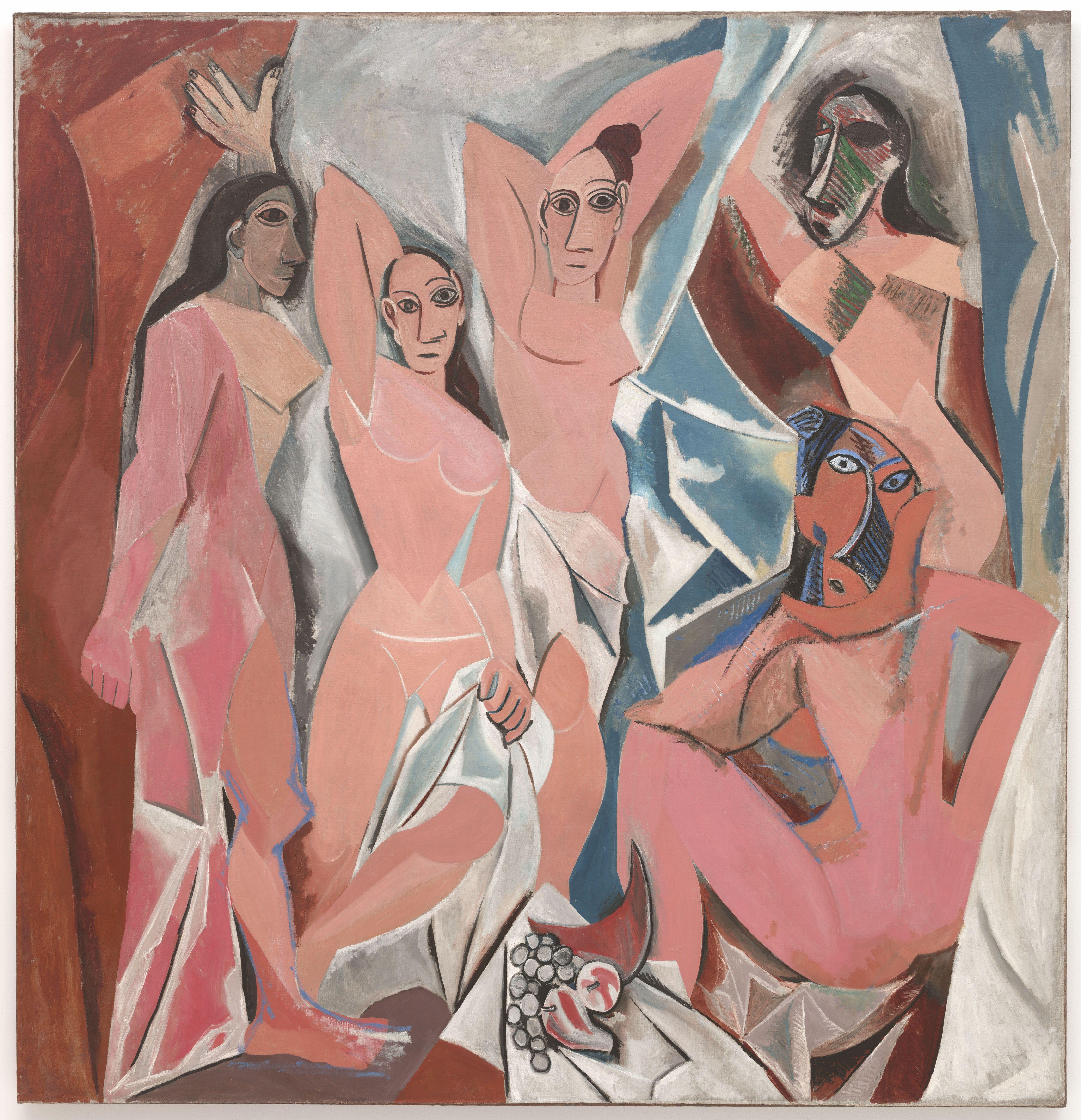
At its core, Modernism was defined by a radical experimentation and a deliberate break with historical styles and conservative values. This manifested as a rejection of traditional representation, perspective, and narrative structures. In visual arts, this led to abstraction, as seen in Cubism pioneered by Pablo Picasso and Georges Braque, and Fauvism, characterized by Henri Matisse's bold use of color. In literature, writers like Henry James and Virginia Woolf employed techniques such as stream-of-consciousness narration. Architects sought functional and innovative forms, exemplified by the Bauhaus school founded by Walter Gropius, emphasizing simplicity, clean lines, and the honest use of materials like steel, concrete, and glass.
🌍 Cultural Impact
The cultural impact of Modernism was profound and far-reaching, influencing nearly every facet of society. It fostered a belief in progress and the potential for human beings to reshape their environment through practical experimentation and technology. This utopian fervor, particularly in the inter-war period, drove architects to address social inequalities through innovative housing projects. Modernism's emphasis on new technologies and machine aesthetics, inspired by figures like Henry Ford, permeated design, leading to sleek, functional aesthetics that rejected ornamentation. The movement also challenged established notions of art itself, with artists like Marcel Duchamp pioneering conceptual approaches.
🔮 Legacy & Future
Scholars generally agree that Modernism's peak influence waned after World War II, with Postmodernism emerging as a significant reaction in the 1950s and 1960s. Postmodernism often critiques or rejects many of Modernism's core tenets, such as the belief in absolute originality and grand narratives. However, the legacy of Modernism continues to shape contemporary design, architecture, and artistic practices. Its emphasis on innovation, experimentation, and the integration of technology remains a powerful undercurrent in the creative fields, influencing everything from product design to digital art and urban planning. The spirit of 'Make it new!', as famously espoused by Ezra Pound, continues to resonate.
Key Facts
- Year
- c. 1860-1960
- Origin
- Europe and the United States
- Category
- movements
- Type
- movement
Frequently Asked Questions
What is Modernism?
Modernism was a broad cultural and artistic movement that emerged in the late 19th century and flourished through the mid-20th century. It was characterized by a self-conscious rejection of past traditions and a fervent search for new forms of expression, driven by industrialization, urbanization, and profound societal shifts. It encompassed various disciplines including literature, visual arts, architecture, music, and philosophy.
What were the key characteristics of Modernism?
Key characteristics include a rejection of historical styles and traditions, experimentation with new forms and techniques (such as abstraction in art and stream-of-consciousness in literature), a focus on subjective experience, and an emphasis on innovation and the 'new'. Modernist architecture often prioritized functionality, clean lines, and honest material expression, as seen in the Bauhaus movement.
When did Modernism take place?
The exact time period for Modernism is debated among scholars, but it is generally considered to have begun in the late 19th century and reached its peak from the early 20th century up to World War II. Some scholars place its genesis as early as 1860, while its influence is seen to have waned by the 1950s and 1960s with the rise of Postmodernism.
Who were some key figures in Modernism?
Key figures include artists like Pablo Picasso and Henri Matisse, writers such as Virginia Woolf and T.S. Eliot, and architects like Walter Gropius. Poets like Ezra Pound and philosophers influenced by the era also played significant roles in shaping Modernist thought and expression.
What led to the development of Modernism?
Modernism arose from a confluence of factors including the Industrial Revolution, rapid technological innovation, urbanization, significant scientific discoveries (like Darwin's), and new philosophical ideas (from thinkers like Freud and Nietzsche). The profound societal and cultural changes, including the disillusionment following World War I, created a fertile ground for a radical re-evaluation of existing norms and a desire for new forms of artistic and cultural expression.
References
- en.wikipedia.org — /wiki/Modernism
- tate.org.uk — /art/art-terms/m/modernism
- britannica.com — /topic/Modernist-literature
- poetryfoundation.org — /education/glossary/modernism
- britannica.com — /art/Modernism-art
- merriam-webster.com — /dictionary/modernism
- britannica.com — /list/10-modernist-art-movements
- theartstory.org — /section-movements-timeline.htm