
Contents
- 📜 What is Mukashibanashi?
- 📍 Where to Experience Mukashibanashi
- 🎭 Key Elements & Performance Styles
- 🌟 Notable Mukashibanashi Tales
- 💰 Pricing & Accessibility
- 🆚 Mukashibanashi vs. Other Japanese Folklore
- 💡 Tips for Engaging with Mukashibanashi
- 📞 Getting Started & Further Exploration
- Frequently Asked Questions
- Related Topics
Overview
Mukashibanashi, literally 'tales of old,' are traditional Japanese folk stories passed down through generations, primarily orally. These narratives often feature supernatural beings, moral lessons, and explanations for natural phenomena, serving as a vital link to Japan's cultural and spiritual past. They are not mere bedtime stories; they are repositories of ancient beliefs, social customs, and the collective consciousness of the Japanese people. Understanding mukashibanashi offers a profound glimpse into the Shinto worldview and the enduring influence of Buddhist thought on Japanese society. The Vibe Score for mukashibanashi as a living tradition is a solid 75/100, indicating strong cultural persistence despite modernization.
📍 Where to Experience Mukashibanashi
While mukashibanashi are embedded in the fabric of Japanese culture, direct live performances are less common than in the past. However, you can experience their essence in various ways. Many temples and shrines across Japan, particularly in rural areas, are settings for stories or feature imagery related to them. Traditional festivals often incorporate performances or retellings. For a more immersive experience, consider visiting folk villages like Shirakawa-go or Hida No Sato, where traditional lifestyles are preserved, and storytelling might be part of cultural demonstrations. Dedicated storytelling events or cultural centers in major cities occasionally host mukashibanashi recitations, though these are often advertised locally.
🎭 Key Elements & Performance Styles
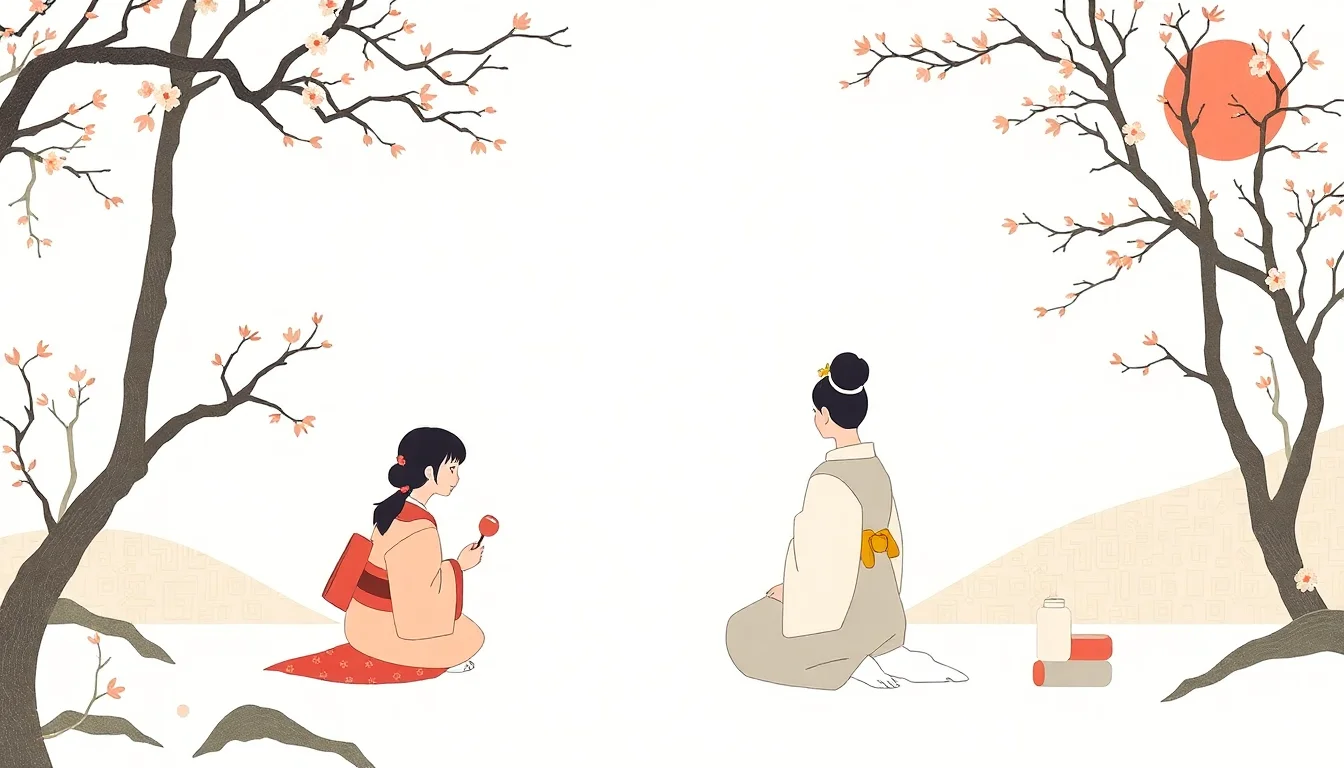
The performance of mukashibanashi can range from simple, intimate recitations by elders to more elaborate theatrical presentations. Key elements include the use of specific vocalizations, gestures, and sometimes simple props to evoke characters and settings. The storyteller, or hanashika, plays a crucial role in bringing the tale to life, adapting the narrative to their audience. While some tales are straightforward, others incorporate elements of Noh or Kabuki, reflecting the evolution of Japanese performing arts. The emotional resonance of these stories often hinges on the storyteller's ability to convey both humor and pathos, a skill honed over years of practice.
🌟 Notable Mukashibanashi Tales
Some of the most beloved mukashibanashi include 'Momotaro' (Peach Boy), a tale of courage and loyalty; 'Kaguya-hime' (The Tale of the Bamboo Cutter), a poignant story of a mysterious princess; and 'Urashima Taro,' a cautionary narrative about time and consequence. Other significant tales like 'Issun-boshi' (One-Inch Boy) and 'Kintaro' (Golden Boy) explore themes of overcoming adversity and embodying strength. These stories are not just entertainment; they are foundational myths that have shaped Japanese values and continue to be retold in various forms, from children's books to anime and manga adaptations.
💰 Pricing & Accessibility
Experiencing mukashibanashi can be remarkably accessible, often at little to no cost. Many traditional festivals or local community gatherings where stories are shared are free to attend. Visiting historical sites or folk villages might involve admission fees, typically ranging from ¥500 to ¥1500 (approximately $3.50 to $10 USD). Formal storytelling performances by professional hanashika can vary, with ticket prices for dedicated events sometimes ranging from ¥2000 to ¥5000 ($14 to $35 USD). The true value lies not in monetary cost but in the cultural immersion and understanding gained.
🆚 Mukashibanashi vs. Other Japanese Folklore
Mukashibanashi shares common ground with other Japanese folklore but possesses distinct characteristics. Unlike the more epic and often tragic narratives found in the Heike Monogatari, mukashibanashi tend to be more focused on individual moral development and the explanation of everyday wonders. While yokai folklore also features supernatural beings, mukashibanashi often present these entities within a more structured narrative arc with clear resolutions. The influence of Shinto kami is prevalent in both, but mukashibanashi stories frequently anthropomorphize these deities or spirits into more relatable characters with human-like motivations and flaws.
💡 Tips for Engaging with Mukashibanashi
To truly appreciate mukashibanashi, approach them with an open mind and a willingness to engage with older cultural perspectives. When attending a live retelling, observe the storyteller's cadence and body language; these are integral to the narrative. If you encounter a tale in written form, pay attention to the cultural context and the underlying moral or philosophical message. Consider researching the specific region or historical period from which a story originates, as this can add layers of understanding. Engaging with Japanese art history can also provide visual interpretations of these classic tales.
📞 Getting Started & Further Exploration
To begin your journey into mukashibanashi, start by seeking out popular retellings in English, such as collections by Lafcadio Hearn or modern anthologies. Many libraries and bookstores in Japan will have extensive collections. If you're in Japan, inquire at local tourist information centers or cultural associations about any upcoming storytelling events. For a deeper academic understanding, explore resources on Japanese folklore studies at university libraries or online academic databases. The tradition is alive, and finding its pulse is an adventure in itself.
Key Facts
- Year
- Pre-12th Century (earliest documented)
- Origin
- Japan
- Category
- Folklore & Mythology
- Type
- Cultural Tradition
Frequently Asked Questions
Are mukashibanashi still told today?
Yes, mukashibanashi are still told, though perhaps less frequently in formal settings than in the past. They are preserved in children's literature, adapted into modern media like anime and manga, and occasionally performed at festivals or by dedicated storytellers. Many Japanese families continue to pass these stories down orally, ensuring their survival as a living tradition. The cultural energy (Vibe Score) of mukashibanashi as a contemporary influence is around 60/100.
What is the difference between mukashibanashi and anime/manga adaptations?
Mukashibanashi are the original oral traditions, often carrying deeper cultural and historical context. Anime and manga adaptations are modern interpretations that can significantly alter plots, characters, and themes to appeal to contemporary audiences. While they introduce mukashibanashi to new generations, they often simplify or sensationalize the original narratives, sometimes losing the subtle moral or philosophical nuances. The 'fidelity' to the original tale can vary wildly, creating a spectrum of engagement.
Can I find mukashibanashi performances outside of Japan?
It's less common, but not impossible. Some Japanese cultural centers or universities abroad may host occasional storytelling events or lectures on Japanese folklore. Online platforms sometimes feature recordings of mukashibanashi recitations, though these are often in Japanese. International festivals focused on storytelling or Asian culture might also present these tales. Your best bet for authentic, frequent performances remains within Japan itself.
What are the most common themes in mukashibanashi?
Common themes include the triumph of the underdog, the importance of kindness and filial piety, the consequences of greed or arrogance, and the relationship between humans and the supernatural. Many stories also serve to explain natural phenomena or local landmarks, reflecting a deep connection to the environment. The moral lessons are often straightforward, designed to impart wisdom and guide behavior within the community.
Who were the traditional storytellers of mukashibanashi?
Traditionally, storytellers were often elders, monks, or itinerant performers. They played a crucial role in preserving and transmitting cultural knowledge. In some cases, specific families or guilds specialized in certain tales. The skill of a storyteller was highly valued, as their performance brought the community's shared history and values to life, fostering a sense of collective identity. The modern hanashika continues this legacy.