
Contents
- 🎵 Origins & History
- ⚙️ How It Works
- 📊 Key Facts & Numbers
- 👥 Key People & Organizations
- 🌍 Cultural Impact & Influence
- ⚡ Current State & Latest Developments
- 🤔 Controversies & Debates
- 🔮 Future Outlook & Predictions
- 💡 Practical Applications
- 📚 Related Topics & Deeper Reading
- Frequently Asked Questions
- References
- Related Topics
Overview
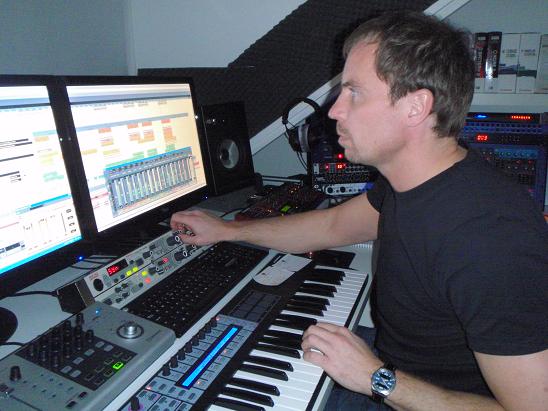
Music technology refers to the application of technological innovations to create, perform, and produce music. This field has undergone significant transformations over the years, from the introduction of electronic instruments like the theremin in the 1920s to the modern-day use of software plugins and digital audio workstations (DAWs) like Ableton Live and Logic Pro. With the rise of social media platforms like SoundCloud and YouTube, music technology has become more accessible and democratized, allowing artists to produce and distribute their music globally. The music technology industry is projected to reach $1.4 billion by 2025, with a growth rate of 10% per annum. Key players in this industry include companies like Native Instruments, Universal Audio, and Avid Technology, which have developed innovative products like the Komplete software bundle and the UAD platform. As music technology continues to evolve, we can expect to see new trends emerge, such as the use of artificial intelligence in music production and the integration of virtual and augmented reality in live performances.
🎵 Origins & History
The history of music technology dates back to the early 20th century, when composers like Luigi Russolo and Karlheinz Stockhausen began experimenting with electronic instruments. The development of the Moog synthesizer in the 1960s revolutionized the music industry, enabling artists to create new sounds and textures. The introduction of digital audio workstations (DAWs) like Pro Tools and Logic Pro in the 1990s further transformed the music production process, allowing artists to record, edit, and mix their music with greater ease and precision. Today, music technology is a rapidly evolving field, with new innovations and advancements emerging every year, such as the use of artificial intelligence in music production and the integration of virtual reality in live performances.
⚙️ How It Works
Music technology encompasses a wide range of tools and techniques, from electronic instruments and software plugins to digital audio workstations and social media platforms. At its core, music technology is about using technology to create, perform, and produce music. This can involve using software like Ableton Live to produce and perform electronic music, or using hardware like the Korg MS-20 to create unique sounds and textures. Music technology also involves the use of social media platforms like SoundCloud and YouTube to distribute and promote music, as well as the use of online marketplaces like Beatport to sell music and merchandise.
📊 Key Facts & Numbers
The music technology industry is a significant sector, with a projected value of $1.4 billion by 2025. Key players in this industry include companies like Native Instruments, Universal Audio, and Avid Technology, which have developed innovative products like the Komplete software bundle and the UAD platform. The industry is also driven by the demand for music production software and hardware, with popular products like FL Studio and Serum being used by artists and producers around the world. According to a report by Midia Research, the music technology industry is expected to grow at a rate of 10% per annum, driven by the increasing demand for music production software and hardware.
👥 Key People & Organizations
Key people in the music technology industry include innovators like Bob Moog, who developed the Moog synthesizer, and Dave Smith, who co-founded Sequential Circuits and developed the Prophet synthesizer. Other notable figures include artists like Daft Punk and Skrillex, who have pushed the boundaries of music production and performance using music technology. Companies like Spotify and Apple Music have also played a significant role in shaping the music industry, providing platforms for artists to distribute and promote their music. For example, Spotify has partnered with Native Instruments to provide exclusive content and promotions to its users.
🌍 Cultural Impact & Influence
Music technology has had a profound impact on culture and society, enabling new forms of creative expression and changing the way we consume and interact with music. The rise of social media platforms like Instagram and TikTok has also created new opportunities for artists to promote their music and connect with fans. However, the music technology industry has also been criticized for its lack of diversity and inclusivity, with many women and minority groups being underrepresented in the field. According to a report by Women in Music, the music technology industry has a significant gender gap, with only 5% of women working in the field. Initiatives like Girls in Tech and Women in Technology are working to address this issue, providing resources and support for women and minority groups to pursue careers in music technology.
⚡ Current State & Latest Developments
The current state of music technology is one of rapid innovation and advancement, with new products and technologies emerging every year. The use of artificial intelligence in music production is becoming increasingly popular, with companies like Amper Music and AIVA developing AI-powered music production tools. The integration of virtual and augmented reality in live performances is also becoming more prevalent, with artists like Lady Gaga and Kendrick Lamar using VR and AR to create immersive and interactive experiences for their fans. For example, Lady Gaga has partnered with Oculus VR to create a VR experience for her fans, allowing them to interact with her music in a new and innovative way.
🤔 Controversies & Debates
The music technology industry is not without its controversies and debates, with issues like copyright infringement and the impact of technology on traditional music-making practices being hotly debated. The use of AI in music production has also raised concerns about the role of human creativity in the music-making process, with some arguing that AI-powered tools are diminishing the value of human musicianship. However, others argue that AI can be a powerful tool for human musicians, enabling them to create new and innovative sounds that would be impossible to produce using traditional instruments alone. For example, Hans Zimmer has used AI-powered tools to create soundtracks for films like Inception and Interstellar.
🔮 Future Outlook & Predictions
The future of music technology is likely to be shaped by advancements in AI, VR, and AR, as well as the increasing demand for music production software and hardware. The use of blockchain technology is also becoming more prevalent in the music industry, with companies like Sonos and Spotify using blockchain to create more transparent and equitable music distribution systems. As music technology continues to evolve, we can expect to see new and innovative applications of technology in the music industry, from the use of AI-powered instruments to the creation of immersive and interactive live performances. For example, Sonos has partnered with Blockchain.com to create a blockchain-based music distribution platform, allowing artists to distribute their music in a more transparent and equitable way.
💡 Practical Applications
Music technology has a wide range of practical applications, from music production and performance to sound design and audio post-production. The use of music technology in film and television production is also becoming more prevalent, with composers like Hans Zimmer and John Williams using music technology to create iconic soundtracks for films like Star Wars and The Lion King. Music technology is also used in live performances, with artists like Daft Punk and Skrillex using music technology to create immersive and interactive experiences for their fans. For example, Daft Punk has used music technology to create a live show that features a combination of electronic and acoustic instruments, allowing them to create a unique and innovative sound.
Key Facts
- Year
- 2020
- Origin
- Global
- Category
- technology
- Type
- concept
Frequently Asked Questions
What is music technology?
Music technology refers to the application of technological innovations to create, perform, and produce music. This field has undergone significant transformations over the years, from the introduction of electronic instruments like the theremin in the 1920s to the modern-day use of software plugins and digital audio workstations (DAWs) like Ableton Live and Logic Pro.
How has music technology impacted the music industry?
Music technology has had a profound impact on the music industry, enabling new forms of creative expression and changing the way we consume and interact with music. The rise of social media platforms like Instagram and TikTok has also created new opportunities for artists to promote their music and connect with fans.
What are some of the key trends in music technology?
Some of the key trends in music technology include the use of AI in music production, the integration of VR and AR in live performances, and the increasing demand for music production software and hardware. The use of blockchain technology is also becoming more prevalent in the music industry, with companies like Sonos and Spotify using blockchain to create more transparent and equitable music distribution systems.
How is music technology used in live performances?
Music technology is used in live performances to create immersive and interactive experiences for fans. Artists like Daft Punk and Skrillex use music technology to create a combination of electronic and acoustic instruments, allowing them to create a unique and innovative sound. The use of VR and AR in live performances is also becoming more prevalent, with artists like Lady Gaga and Kendrick Lamar using VR and AR to create immersive and interactive experiences for their fans.
What are some of the controversies and debates in the music technology industry?
The music technology industry is not without its controversies and debates, with issues like copyright infringement and the impact of technology on traditional music-making practices being hotly debated. The use of AI in music production has also raised concerns about the role of human creativity in the music-making process, with some arguing that AI-powered tools are diminishing the value of human musicianship.
How is music technology used in film and television production?
Music technology is used in film and television production to create iconic soundtracks for films and TV shows. Composers like Hans Zimmer and John Williams use music technology to create soundtracks for films like Star Wars and The Lion King. Music technology is also used in audio post-production, with companies like Avid Technology and Blackmagic Design providing a range of products and services for audio and video production.
What are some of the practical applications of music technology?
Music technology has a wide range of practical applications, from music production and performance to sound design and audio post-production. The use of music technology in live performances is also an important area of study, with artists like Daft Punk and Skrillex using music technology to create immersive and interactive experiences for their fans.
How is music technology used in other fields?
Music technology is used in other fields, such as film and television production, to create iconic soundtracks for films and TV shows. Music technology is also used in audio post-production, with companies like Avid Technology and Blackmagic Design providing a range of products and services for audio and video production. The use of music technology in other fields, such as advertising and video game production, is also becoming more prevalent, with companies like Sony and Nintendo using music technology to create immersive and interactive experiences for their customers.