
Contents
Overview
The concept of digital marketplaces for unique assets predates NFTs, with early iterations seen in digital game item trading and nascent forms of digital art sales. However, the modern NFT marketplace truly emerged with the advent of blockchain technology, particularly Ethereum, and the ERC-721 token standard. Early pioneers like CryptoKitties demonstrated the potential for unique digital asset ownership on a blockchain, paving the way for dedicated marketplaces. Rarible and OpenSea quickly became foundational platforms, offering a space for creators to mint and list their digital works. These early marketplaces were instrumental in defining the user experience and technical infrastructure for trading these novel digital assets, laying the groundwork for the subsequent boom.
⚙️ How It Works
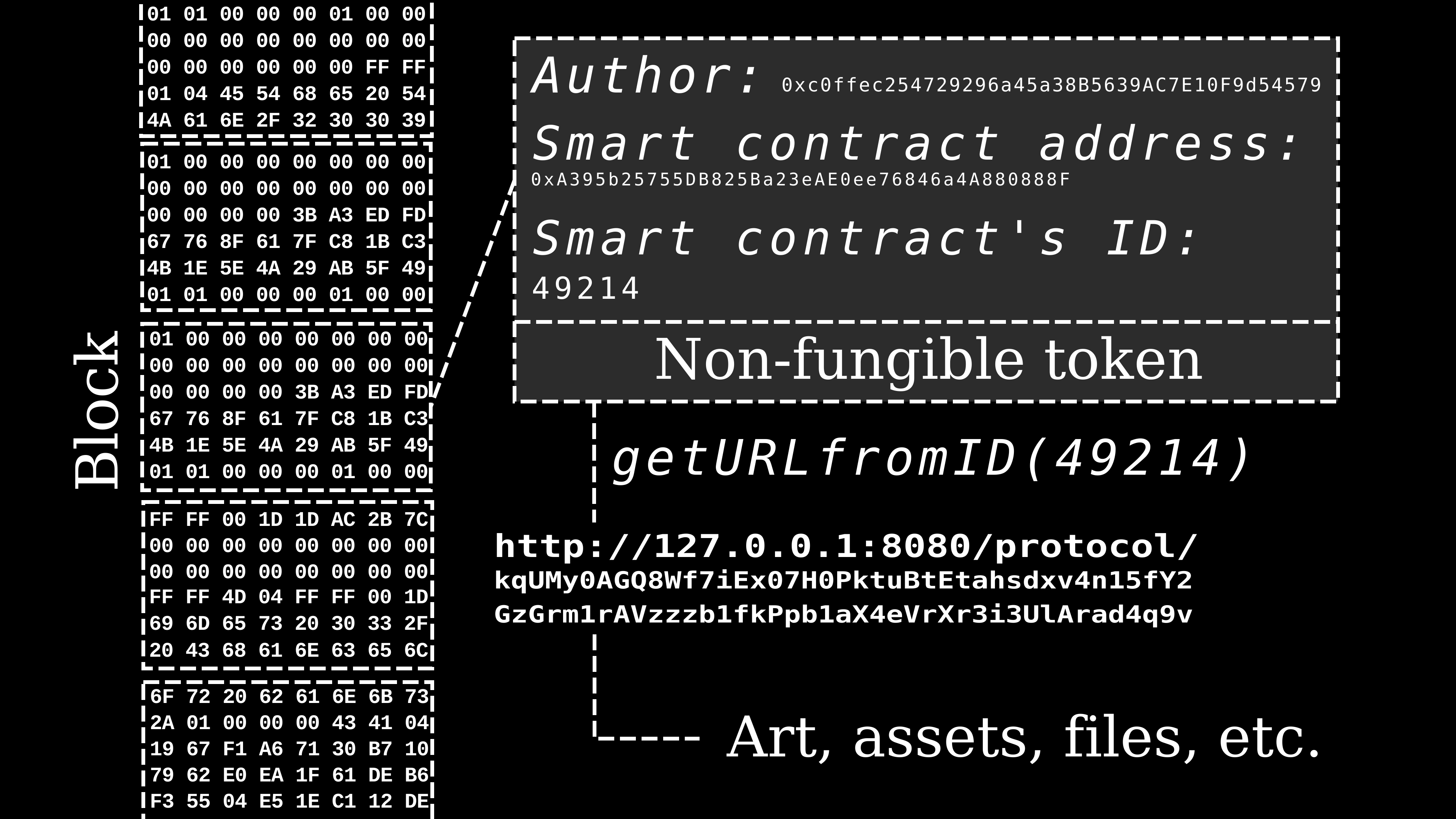
NFT marketplaces function as decentralized or semi-decentralized exchanges where users can list, discover, and purchase NFTs. Creators mint NFTs on a blockchain, often using smart contracts that define the token's unique properties and ownership rules. These NFTs are then listed on a marketplace, which displays them with associated metadata, images, and pricing information. Buyers can browse listings, place bids in auctions, or make direct purchases using cryptocurrency, typically Ether (ETH). The marketplace facilitates the secure transfer of the NFT from the seller's wallet to the buyer's wallet, and the cryptocurrency from the buyer to the seller, often taking a small transaction fee. Many platforms also integrate with wallet solutions like MetaMask for seamless user interaction.
📊 Key Facts & Numbers
The NFT marketplace sector experienced a meteoric rise. However, the market contracted sharply, with sales volume reportedly dropping significantly from its peak. Reports indicated that a large majority of NFT collections had effectively zero monetary value, highlighting the speculative nature of the market. Despite the downturn, transaction fees for major marketplaces like Blur can still reach hundreds of thousands of dollars daily, indicating continued, albeit reduced, activity.
👥 Key People & Organizations
Key players in the NFT marketplace ecosystem include OpenSea, founded by Devin Finzer and Alex Atallah, which remains a dominant force despite increased competition. Blur is a marketplace specifically targeting professional traders. Magic Eden emerged as a leading marketplace on the Solana blockchain, founded by Jack Lu, Ziheng Chen, and Yibing Wu. Rarible is another significant player, known for its community-governed approach. Coinbase also launched its own NFT marketplace, though it has struggled to gain traction against established platforms. These organizations are constantly innovating, introducing new features and adapting to market trends.
🌍 Cultural Impact & Influence
NFT marketplaces have profoundly impacted digital culture by enabling new forms of artistic expression, ownership, and community building. They have empowered digital artists, musicians, and creators to monetize their work directly, bypassing traditional gatekeepers and earning royalties on secondary sales, a novel concept for many creators. The rise of CryptoPunks and Bored Ape Yacht Club on marketplaces like CryptoPunks.app and OpenSea demonstrated the potential for digital collectibles to achieve significant cultural cachet and financial value. These platforms have fostered vibrant online communities centered around shared ownership of digital assets, influencing trends in art, fashion, gaming, and social media.
⚡ Current State & Latest Developments
The NFT marketplace landscape in 2024 is characterized by increased competition and a focus on utility beyond simple speculation. Blur continues to challenge OpenSea with its trader-centric features and token incentives. Marketplaces are increasingly integrating with decentralized finance (DeFi) protocols, allowing NFTs to be used as collateral for loans or to earn yield. The emergence of EVM-compatible chains beyond Ethereum, such as Polygon and BNB Chain, has led to the growth of specialized marketplaces on these networks. Furthermore, there's a growing trend towards curated or niche marketplaces focusing on specific asset classes like music NFTs or gaming assets, aiming to provide a more tailored experience for collectors.
🤔 Controversies & Debates
The NFT marketplace model is fraught with controversy. Critics often point to the environmental impact of proof-of-work blockchains like Ethereum (prior to its merge to proof-of-stake), citing high energy consumption for minting and transactions. The speculative nature of many NFTs has led to accusations of market manipulation, wash trading, and the creation of economic bubbles, with many collections losing nearly all their value. Security concerns also persist, with phishing scams and smart contract vulnerabilities leading to significant financial losses for users. The question of copyright and intellectual property rights for NFTs remains a complex legal and ethical debate, as ownership of the token doesn't always equate to ownership of the underlying IP.
🔮 Future Outlook & Predictions
The future of NFT marketplaces is likely to involve greater integration with the metaverse and decentralized applications (dApps). Expect to see more marketplaces supporting cross-chain interoperability, allowing assets to be traded seamlessly across different blockchains. The concept of 'phygital' NFTs, which link digital tokens to physical items, will likely gain traction, requiring marketplaces to develop robust verification mechanisms. As regulatory frameworks for digital assets mature, marketplaces will need to adapt to compliance requirements, potentially impacting decentralization. The focus may shift from speculative trading to utility-driven NFTs, where marketplaces facilitate access to exclusive content, experiences, or governance rights.
💡 Practical Applications
NFT marketplaces serve as crucial infrastructure for a variety of applications. They are fundamental for the digital art world, enabling artists to sell unique pieces and collectors to prove provenance. In gaming, marketplaces allow players to buy, sell, and trade in-game assets like characters, skins, and virtual land, creating player-driven economies. They are also used for ticketing for events, providing verifiable and transferable digital tickets that can reduce fraud. Furthermore, marketplaces are exploring use cases in music, where artists can sell limited edition tracks or albums, and in real estate, for tokenizing property ownership. The ability to represent ownership of virtually any unique asset digitally opens up vast possibilities.
Key Facts
- Category
- platforms
- Type
- platform