
Contents
- 🎵 Origins & History
- ⚙️ How It Works
- 📊 Key Facts & Numbers
- 👥 Key People & Organizations
- 🌍 Cultural Impact & Influence
- ⚡ Current State & Latest Developments
- 🤔 Controversies & Debates
- 🔮 Future Outlook & Predictions
- 💡 Practical Applications
- 📚 Related Topics & Deeper Reading
- Frequently Asked Questions
- References
- Related Topics
Overview
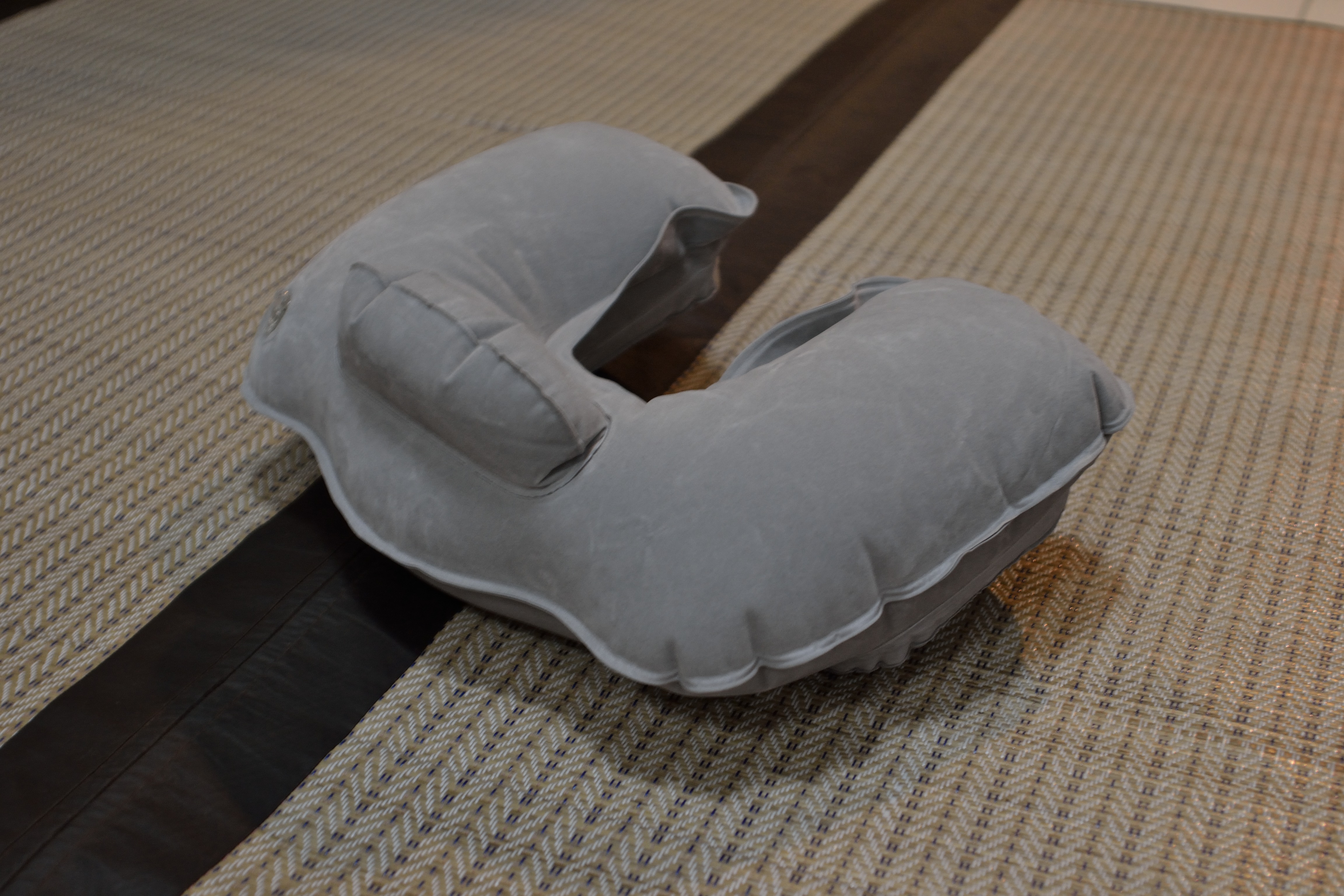
Orthopedic pillows are specialized bedding accessories meticulously engineered to maintain specific body alignments during rest, primarily targeting the spine, neck, and joints. Unlike conventional pillows, their design adheres to biomechanical principles, often incorporating contoured shapes and advanced materials like memory foam or latex, to provide targeted support and pressure relief. The market for these therapeutic devices has expanded significantly, driven by an aging global population and increased awareness of sleep-related musculoskeletal issues, with sales figures reaching into the billions annually. While widely marketed for alleviating conditions such as neck pain, sciatica, and sleep apnea, the scientific consensus on their efficacy remains a subject of ongoing debate and rigorous clinical investigation. Their evolution reflects a broader trend in consumer health products towards personalized, ergonomic solutions for everyday well-being.
🎵 Origins & History
The concept of a pillow designed for therapeutic alignment isn't entirely new, with precursors existing in ancient civilizations that used shaped supports for comfort and health. However, the modern orthopedic pillow, as we understand it, began to take shape in the mid-20th century. Early iterations often involved simple foam wedges or contoured designs aimed at supporting the cervical spine, particularly after the widespread adoption of foam rubber in the 1930s and 40s. A significant leap occurred with the invention of memory foam (officially 'temper foam') by Charles Yost at NASA in 1966, initially for aircraft seat safety. This viscoelastic polyurethane material, with its ability to conform to pressure and heat, revolutionized the potential for personalized support in bedding, though its commercial application in pillows didn't become widespread until the 1990s.
⚙️ How It Works
Orthopedic pillows function by distributing pressure evenly and maintaining the natural curvature of the spine, particularly the cervical and lumbar regions, during sleep. Their efficacy stems from their specific shapes—such as cervical rolls, contoured designs, or wedge forms—and the materials used, which include memory foam, latex, buckwheat hulls, or water. For instance, a cervical pillow typically features a raised area to support the neck and a lower area for the head, preventing unnatural bending or twisting. The viscoelastic properties of memory foam allow it to soften with body heat, molding precisely to the user's contours, thereby reducing pressure points and promoting optimal spinal alignment, a principle often highlighted by companies like Tempur-Pedic.
📊 Key Facts & Numbers
The global orthopedic pillow market was valued at approximately $2.5 billion in 2022 and is projected to reach over $4 billion by 2030, growing at a compound annual growth rate (CAGR) of 6.5%. North America currently holds the largest market share, accounting for over 35% of sales, driven by high disposable incomes and a growing awareness of ergonomic products. Memory foam pillows dominate the material segment, representing more than 60% of the market due to their superior contouring capabilities. Studies indicate that around 70% of adults experience neck pain at some point, making the target demographic for these products substantial. Furthermore, approximately 15-20% of the population suffers from chronic back pain, a condition that orthopedic pillows aim to alleviate, according to data from the World Health Organization.
👥 Key People & Organizations
While no single 'inventor' of the orthopedic pillow exists, its development is a collective effort involving material scientists, chiropractors, and product designers. Charles Yost's pioneering work on memory foam at NASA in the 1960s laid the groundwork for many modern designs. Companies like Tempur-Pedic, founded in 1991, were instrumental in popularizing memory foam mattresses and pillows, bringing advanced ergonomic sleep solutions to the mass market. Other notable players include Mediflow, known for its water-based pillows since 1994, and Sleep Innovations, which has been a significant manufacturer of memory foam products. The contributions of countless physical therapists and chiropractors, such as Dr. Alan Mandell, who advocate for proper spinal alignment, have also significantly influenced product development and consumer education.
🌍 Cultural Impact & Influence
Orthopedic pillows have profoundly influenced the sleep industry, shifting consumer focus from mere comfort to therapeutic benefits and spinal health. Their rise coincides with a broader cultural emphasis on wellness and ergonomics in daily life, extending beyond office chairs to the bedroom. The proliferation of these pillows has also spurred a sub-genre of sleep health influencers and content creators on platforms like YouTube and TikTok, who review and recommend specific designs for various ailments. This cultural resonance is evident in the marketing strategies of mattress companies and bedding retailers, which increasingly highlight the 'orthopedic' or 'ergonomic' features of their products, often citing benefits for conditions like sleep apnea and acid reflux.
⚡ Current State & Latest Developments
As of 2024, the orthopedic pillow market is experiencing rapid innovation, particularly in smart materials and personalized solutions. Companies are integrating cooling technologies like gel infusions or phase-change materials to address the heat retention issues often associated with memory foam. The advent of AI-powered sleep trackers and apps is also influencing design, with some manufacturers exploring pillows that can adapt firmness or shape based on real-time sleep data. For instance, Eight Sleep and Sleep Number are pushing boundaries in personalized sleep systems, hinting at a future where pillows dynamically adjust to individual needs. The focus is increasingly on sustainable materials and hypoallergenic options, responding to growing consumer demand for eco-friendly and health-conscious products.
🤔 Controversies & Debates
Despite widespread marketing claims, the scientific community remains divided on the definitive efficacy of orthopedic pillows for all advertised conditions. Critics often point to a lack of large-scale, peer-reviewed clinical trials demonstrating superior outcomes compared to conventional pillows for conditions like chronic back pain or fibromyalgia. The term 'orthopedic' itself is not regulated, leading to a wide variance in product quality and design, which can confuse consumers. Furthermore, some experts argue that a 'one-size-fits-all' orthopedic pillow is a misnomer, as individual body types and sleep positions require highly personalized support, leading to potential discomfort or even exacerbation of issues if the wrong pillow is chosen, a concern frequently raised by organizations like the American Chiropractic Association.
🔮 Future Outlook & Predictions
The future of orthopedic pillows is likely to be shaped by advancements in material science and personalized medicine. We can anticipate the development of 'smart pillows' equipped with sensors to monitor sleep posture, breathing, and even heart rate, adjusting their support dynamically throughout the night. The integration of 3D printing technology could allow for truly bespoke pillows, custom-molded to an individual's unique anatomical profile, potentially by 2030. Furthermore, as understanding of sleep hygiene deepens, these pillows may evolve to incorporate features that address broader sleep disturbances, such as aromatherapy diffusers or integrated soundscapes, moving beyond mere physical support to holistic sleep enhancement, as predicted by sleep tech analysts at Grand View Research.
💡 Practical Applications
Orthopedic pillows find practical application in a variety of therapeutic and preventative contexts. Physical therapists frequently recommend cervical pillows for patients recovering from whiplash injuries or those with chronic neck stiffness to maintain proper alignment during rest. Wedge pillows are commonly used to alleviate symptoms of acid reflux and Gastroesophageal Reflux Disease (GERD) by elevating the upper body, preventing stomach acid from flowing back into the esophagus. For individuals suffering from snoring or mild sleep apnea, specialized pillows designed to keep airways open by maintaining head and neck position can offer non-invasive relief, often suggested by sleep clinics like the Mayo Clinic Sleep Disorders Center.
Key Facts
- Year
- 1960s-Present
- Origin
- Global (influenced by US material science and European ergonomic principles)
- Category
- technology
- Type
- product
Frequently Asked Questions
What is the primary difference between an orthopedic pillow and a regular pillow?
The fundamental distinction lies in design and purpose. A regular pillow primarily offers cushioning, while an orthopedic pillow is specifically engineered with contours and materials to maintain optimal spinal alignment, particularly for the neck and head, during sleep. For example, a cervical pillow will have a distinct shape to support the natural curve of the neck, whereas a standard pillow is typically a uniform rectangle filled with down or synthetic fibers. This targeted support aims to alleviate pressure points and prevent musculoskeletal strain, a concept often emphasized by chiropractors.
Are orthopedic pillows scientifically proven to relieve pain?
While many users report significant pain relief, the scientific evidence for orthopedic pillows' efficacy across all advertised conditions is mixed and often debated. Some studies, particularly those focusing on cervical pain, have shown positive outcomes, indicating that contoured pillows can improve sleep quality and reduce morning stiffness. However, the term 'orthopedic' is not universally regulated, leading to a wide range of product quality. Organizations like the American Academy of Sleep Medicine recommend consulting a healthcare professional to determine if a specific pillow type is appropriate for individual conditions, as results can vary widely based on personal anatomy and the specific ailment.
What materials are commonly used in orthopedic pillows and why?
The most prevalent material is memory foam (viscoelastic polyurethane), prized for its ability to conform to body contours and distribute pressure evenly, initially developed by NASA in 1966. Latex, derived from rubber trees, is another popular choice, offering a bouncier, more responsive support and natural hypoallergenic properties. Other materials include buckwheat hulls, which provide firm, moldable support and excellent breathability, and even water, as seen in products from companies like Mediflow, allowing for adjustable firmness. Each material offers distinct benefits in terms of support, breathability, and durability, catering to different user preferences and therapeutic needs.
Can an orthopedic pillow worsen neck or back pain?
Yes, an improperly chosen or poorly designed orthopedic pillow can potentially exacerbate neck or back pain. If the pillow is too high or too low for an individual's sleep position and body type, it can force the spine into an unnatural alignment, leading to increased strain. For instance, a side sleeper using a pillow designed for back sleepers might experience significant neck flexion. This highlights the importance of selecting a pillow that matches one's primary sleep position and body dimensions, a factor often stressed by physical therapists when recommending ergonomic solutions. Consulting with a specialist can help avoid such adverse effects.
How long do orthopedic pillows typically last, and when should they be replaced?
The lifespan of an orthopedic pillow varies significantly based on its material and quality, but generally ranges from 1 to 5 years. Memory foam pillows typically last 2-3 years before losing their supportive properties and ability to rebound effectively. Latex pillows tend to be more durable, often lasting 3-5 years. Pillows filled with buckwheat hulls can last up to 10 years if properly maintained. Signs that a pillow needs replacement include noticeable sagging, loss of firmness, persistent lumps, or a decrease in its ability to provide the intended support, which can lead to a return of pain or discomfort, as advised by bedding manufacturers like Sleep Innovations.
What is the average cost of an orthopedic pillow, and where can they be purchased?
The cost of orthopedic pillows varies widely, typically ranging from $30 to $150, depending on the material, brand, and specialized features. Basic foam contoured pillows might start around $30-$50, while high-end memory foam or latex pillows from brands like Tempur-Pedic or Brooklinen can cost upwards of $100-$150. They are widely available through various channels, including major online retailers like Amazon.com and Wayfair.com, specialized bedding stores, department stores, and even directly from manufacturers' websites. Many chiropractic clinics and physical therapy offices also sell or recommend specific models.
What are the emerging trends in orthopedic pillow technology?
Emerging trends in orthopedic pillow technology focus on personalization, smart features, and sustainable materials. We're seeing the development of 'smart pillows' that integrate sleep-tracking sensors to monitor posture and adjust firmness dynamically, often connecting to mobile apps for data analysis. Companies are also exploring 3D printing to create custom-molded pillows tailored to an individual's unique anatomy, offering unprecedented levels of personalized support. Furthermore, there's a growing emphasis on eco-friendly materials like organic latex and recycled foams, aligning with broader consumer demand for sustainable products in the home goods market, as highlighted by industry reports from Grand View Research.