
Contents
Overview
The Panay-Bukidnon, also known as Suludnon or Tumandok, are an indigenous Visayan ethnolinguistic group primarily residing in the mountainous interior of Panay Island in the Philippines. Their isolation from Spanish colonial influence allowed them to preserve a rich pre-Hispanic culture, distinct spiritual beliefs, and a vibrant oral tradition, most notably their epic poetry. They speak the Iigbok language, a West Visayan tongue, and maintain a deep connection to their ancestral lands, which are increasingly threatened by development. Despite facing assimilation pressures and environmental challenges, the Panay-Bukidnon continue to be custodians of a unique cultural heritage, including intricate weaving techniques and a profound understanding of their ecosystem.
🎵 Origins & History
The Panay-Bukidnon people trace their origins to the interior highlands of Panay Island. Their historical narrative is deeply intertwined with the natural landscape, viewing the mountains and rivers not just as resources but as sacred entities. Early accounts suggest a society organized around kinship ties and governed by elders who held both spiritual and temporal authority.
⚙️ Cultural Practices & Beliefs
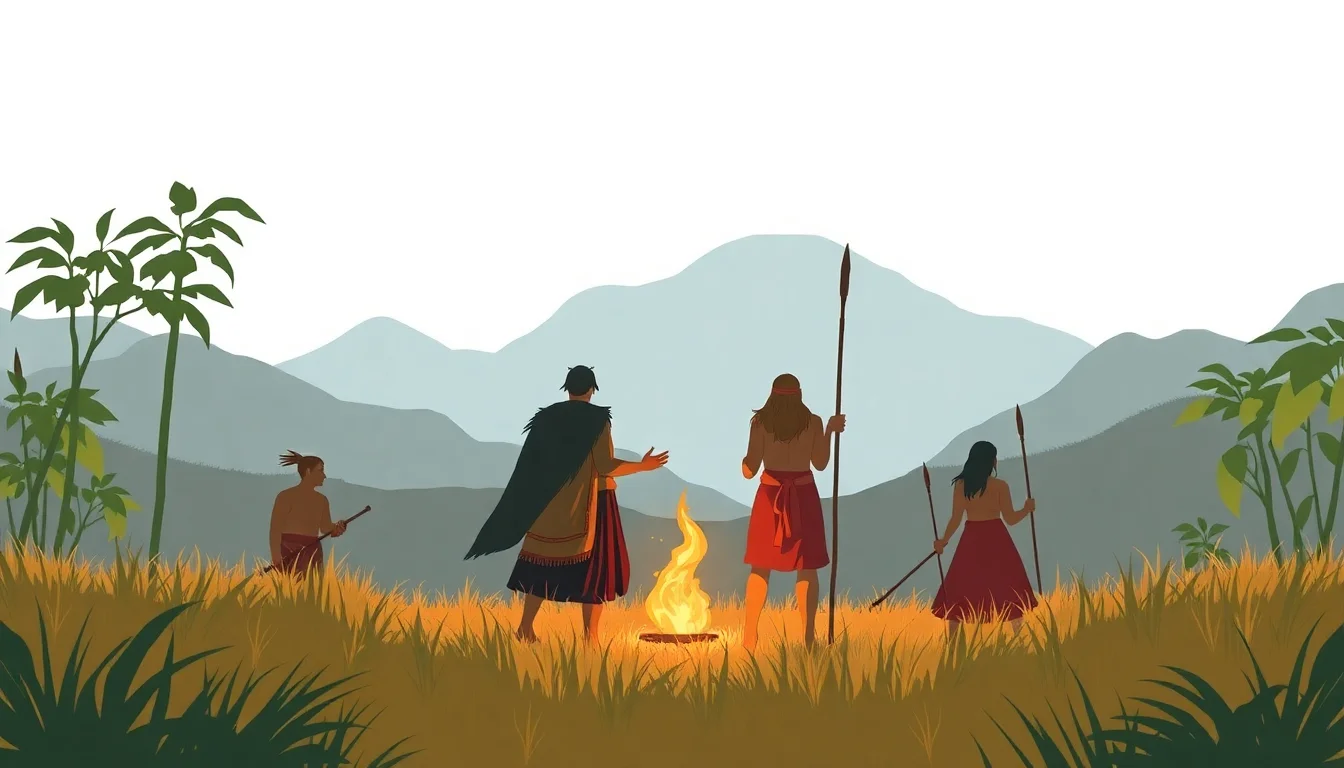
At the heart of Panay-Bukidnon culture lies a complex animistic belief system. They venerate deities like Diwata and practice rituals to appease spirits of the land, water, and sky, often led by spiritual leaders known as 'mabalian'. Their social fabric is woven with strong communal bonds, evident in their cooperative farming practices and shared responsibilities. Traditional clothing, particularly the intricately woven 'hablon' textiles, plays a significant role in cultural expression and identity. Storytelling, especially the recitation of epic poems, is a cornerstone of their cultural transmission, serving as a repository of history, values, and cosmology, passed down through generations in communal gatherings.
📊 Key Facts & Numbers
They are primarily concentrated in the provinces of Capiz, Antique, and Iloilo. The Iigbok language, spoken by the Panay-Bukidnon, is classified within the West Bisayan branch of the Austronesian language family. Their traditional diet relies heavily on rice cultivation, supplemented by root crops, fruits, and game.
👥 Key Figures & Communities
Key figures among the Panay-Bukidnon are often the elders, 'mabalian' (spiritual leaders), and master epic chanters. Communities like those in the municipalities of Calinog and Lambunao in Iloilo, and Tapaz in Capiz, serve as vital centers for cultural preservation. Organizations such as the Panay-Bukidnon Indigenous People's Organization (PBIPO) and various cultural heritage groups actively work to document and promote their traditions. They collaborate with academic institutions like the University of the Philippines to safeguard their heritage.
🌍 Cultural Impact & Influence
The most profound cultural impact of the Panay-Bukidnon lies in their preservation of pre-Hispanic Visayan epics, particularly the 'Sugidanon' or 'Hinilawod'. Their intricate weaving patterns and textile designs have also influenced contemporary Filipino fashion and craft movements. Their deep ecological knowledge, passed down through generations, offer valuable insights into sustainable living and human-environment relationships.
⚡ Current State & Latest Developments
The COVID-19 pandemic also exacerbated existing vulnerabilities. Efforts to secure ancestral domain titles under the Indigenous Peoples' Rights Act (IPRA) continue. There is a growing movement among younger generations to document and revitalize their language and epic traditions, often utilizing digital tools and social media platforms.
🤔 Controversies & Debates
A significant controversy surrounds the exploitation of Panay-Bukidnon cultural heritage, particularly the 'Sugidanon' epics, by external researchers and institutions without adequate recognition or benefit to the community. Debates also persist regarding the definition and boundaries of their ancestral domain, often contested by logging companies and agricultural corporations. The impact of climate change on their traditional farming practices and the delicate mountain ecosystems they inhabit is another pressing concern, raising questions about adaptation strategies and the role of traditional knowledge in mitigating environmental degradation. Furthermore, the ongoing struggle for land rights and self-determination remains a central point of contention with government agencies and private entities.
🔮 Future Outlook & Predictions
The future outlook for the Panay-Bukidnon is a complex interplay of challenges and opportunities. Continued advocacy for ancestral domain rights and greater autonomy will be crucial for their cultural and physical survival. There is a growing recognition of the value of their traditional ecological knowledge in conservation efforts and sustainable development, potentially opening avenues for partnerships. The revitalization of the 'Sugidanon' epics through digital archiving and educational programs offers a pathway to ensure their transmission to future generations. However, the persistent threats of land grabbing, cultural assimilation, and environmental degradation necessitate sustained support from both national and international bodies to protect their unique heritage and ensure their continued existence as a distinct cultural group.
💡 Traditional Knowledge & Arts
The Panay-Bukidnon are renowned for their sophisticated weaving traditions, producing 'hablon' textiles characterized by intricate geometric patterns and vibrant natural dyes, often used for clothing, blankets, and ceremonial items. Their mastery of oral literature, particularly the 'Sugidanon' epics, is a significant cultural achievement, with chanters possessing remarkable memory and performance skills. Traditional healing practices, rooted in animistic beliefs and the use of medicinal plants, are still prevalent. Their agricultural knowledge, honed over centuries of living in the mountainous terrain, includes sustainable farming techniques adapted to the local environment, such as terracing and crop rotation, demonstrating a deep understanding of ecological balance.
Key Facts
- Category
- culture
- Type
- topic
