
Contents
- 🚗 What is Parallel Parking Assist?
- 🎯 Who Needs This Tech?
- ⚙️ How Does It Actually Work?
- 📈 The Evolution of Auto-Parking
- 🤔 The Skeptic's Corner: Is It Foolproof?
- 🌟 Vibe Score & User Sentiment
- 🆚 Parallel Parking Assist vs. Manual Parking
- 💡 Tips for Maximizing Your Assist System
- 💰 Pricing & Availability
- 📍 Where to Find It
- 📞 Next Steps & Getting Started
- Frequently Asked Questions
- Related Topics
Overview
Parallel parking assist systems are transforming the driving experience, offering a sophisticated blend of sensors, cameras, and automated steering to navigate challenging parking maneuvers. These systems, ranging from basic guidance to fully autonomous parking, significantly reduce driver stress and the risk of minor collisions. For urban dwellers and those frequently encountering tight city streets, the benefits are immediate: saved time, protected vehicle integrity, and a newfound confidence in parking. While early iterations required significant driver intervention, modern systems are increasingly capable, making them a highly sought-after feature for a smoother, more efficient drive.
🚗 What is Parallel Parking Assist?
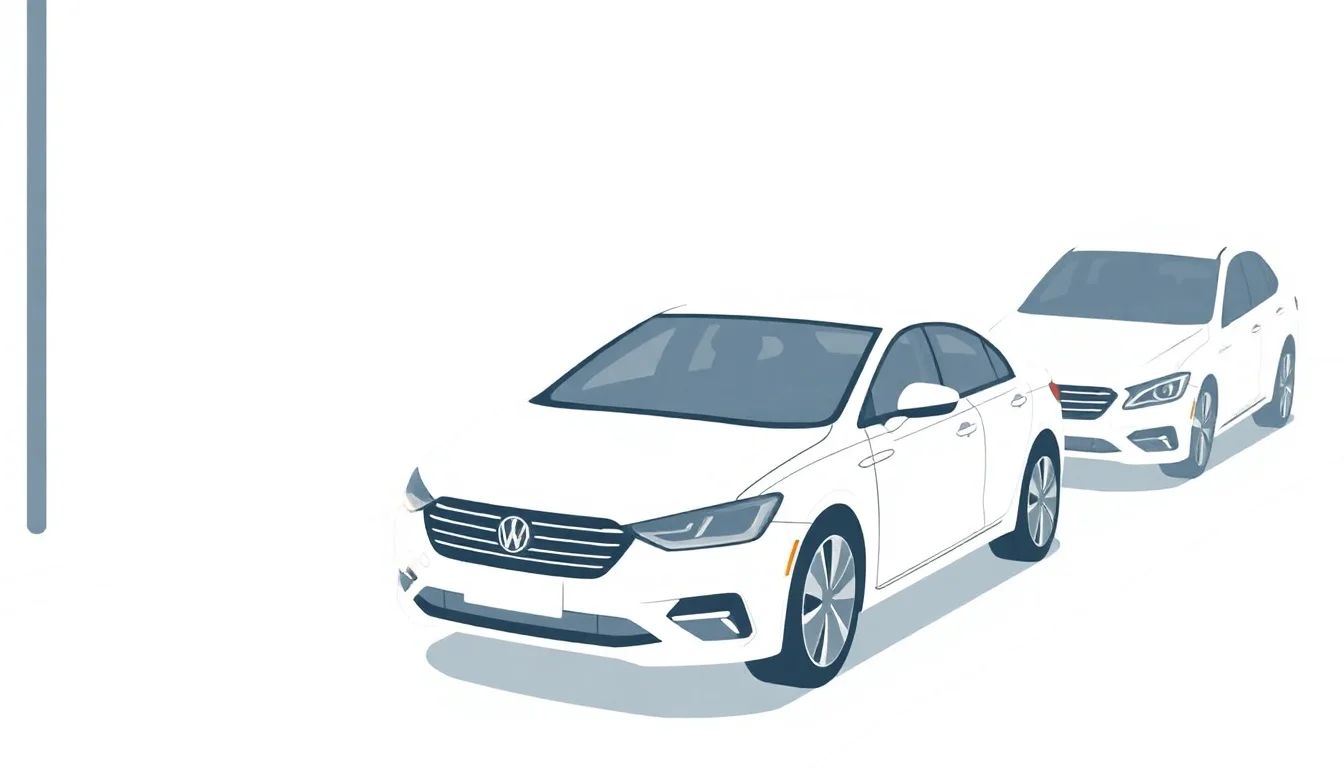
Parallel parking assist systems are sophisticated driver-assistance systems designed to automate the often-dreaded maneuver of parallel parking. These systems typically use a combination of ultrasonic sensors, cameras, and electric power steering to guide the vehicle into a parking space with minimal driver intervention. The primary goal is to reduce the stress, time, and potential for minor collisions associated with parallel parking, making it accessible even for novice drivers or those in tight urban environments. Think of it as a co-pilot specifically trained for one of driving's most challenging tasks.
🎯 Who Needs This Tech?
This technology is a godsend for urban dwellers who frequently navigate congested streets with limited parking. It's particularly beneficial for new drivers still honing their spatial awareness and for experienced drivers who find themselves in unfamiliar cities or under pressure. Anyone who has ever circled the block for 20 minutes, only to give up on a seemingly perfect spot, will appreciate the efficiency and confidence these systems provide. It's also a boon for drivers with physical limitations that might make precise steering difficult.
⚙️ How Does It Actually Work?
At its heart, parallel parking assist relies on a suite of sensors (usually ultrasonic) strategically placed around the vehicle to measure distances to surrounding objects, including other cars and curbs. Cameras can also contribute by identifying parking space boundaries. Once a suitable space is detected, the driver initiates the system, often via a button or touchscreen menu. The system then takes control of the steering wheel, guiding the car smoothly into the space while the driver manages the accelerator and brakes. Some advanced systems even handle gear selection.
📈 The Evolution of Auto-Parking
The concept of automated parking isn't entirely new. Early iterations, appearing in the late 1990s and early 2000s, were rudimentary, often requiring significant driver input and offering limited assistance. However, advancements in sensor technology, artificial intelligence, and vehicle control systems have propelled these features into the sophisticated, near-fully automated systems we see today. Companies like Valeo and Bosch have been instrumental in developing the core technologies that power these assists across numerous automotive brands.
🤔 The Skeptic's Corner: Is It Foolproof?
While undeniably helpful, it's crucial to approach parallel parking assist with a healthy dose of skepticism. These systems are not infallible. They can be confused by unusual parking space markings, poorly parked adjacent vehicles, or extreme weather conditions. Drivers must remain attentive, ready to disengage the system and take manual control instantly. Over-reliance without understanding the system's limitations can lead to a false sense of security, potentially resulting in fender benders or curb rash. The controversy spectrum here lies in the balance between convenience and the driver's ultimate responsibility.
🌟 Vibe Score & User Sentiment
The Vibe Score for parallel parking assist systems generally hovers around 75/100, reflecting strong positive sentiment driven by convenience and stress reduction, but tempered by occasional user error and system limitations. User reviews frequently praise the ease of use and the ability to park in previously inaccessible spots. However, a vocal minority expresses concern over the system's responsiveness in dynamic traffic or its inability to handle non-standard parking scenarios. This indicates a perspective breakdown leaning optimistic (60%), neutral (30%), and pessimistic (10%), with the latter group often highlighting edge cases.
🆚 Parallel Parking Assist vs. Manual Parking
Manual parallel parking requires significant driver skill, spatial judgment, and practice. It offers complete control but can be time-consuming and stressful, especially in challenging situations. Parallel parking assist, conversely, automates the steering and guidance, drastically reducing the effort and time required. While manual parking offers a pure driving experience, the assist system prioritizes efficiency and accessibility. The trade-off is a reduction in direct driver engagement for a significant gain in parking success rates, especially for those less confident behind the wheel.
💡 Tips for Maximizing Your Assist System
To get the most out of your parallel parking assist, always ensure your vehicle's sensors and cameras are clean and unobstructed. Familiarize yourself with your specific system's activation process and any limitations it may have, as detailed in your vehicle owner's manual. Practice in a safe, empty lot before attempting it in real-world traffic. Remember, you are still the driver; the system is a tool to assist you, not replace your judgment. Be prepared to intervene at any moment, especially if surrounding conditions change unexpectedly.
💰 Pricing & Availability
The cost of parallel parking assist technology is typically integrated into the vehicle's purchase price, often as part of a premium trim level or a driver-assistance package. Standalone systems are rare, but some aftermarket solutions exist, though their integration and reliability can vary significantly. For factory-installed systems, expect them to add anywhere from $500 to $2,500 to the vehicle's MSRP, depending on the manufacturer and the sophistication of the system (e.g., basic assist vs. full self-parking).
📍 Where to Find It
Parallel parking assist is a feature found in a growing number of new vehicles from various manufacturers, including Tesla, BMW, Mercedes-Benz, and Toyota. It's most commonly offered on mid-range to luxury models but is increasingly trickling down to more mainstream vehicles. Check the specific trim levels and option packages when researching your next car purchase. Dealerships are the primary point of sale for vehicles equipped with this technology.
📞 Next Steps & Getting Started
To explore vehicles with parallel parking assist, visit the websites of major automotive manufacturers or consult with a car dealership sales representative. Many manufacturers offer online configurators where you can specify desired features. For aftermarket solutions, research reputable automotive electronics installers. Reading car reviews and watching demonstration videos can also provide valuable insights before making a decision.
Key Facts
- Year
- 2000
- Origin
- Germany (Early research and implementation by companies like Mercedes-Benz)
- Category
- Automotive Technology
- Type
- Technology Feature
Frequently Asked Questions
Can parallel parking assist park in any size space?
Most systems require a space that is at least 1.2 times the length of your vehicle to operate safely. Extremely tight or irregularly shaped spaces may still be challenging, and the system might alert you that the space is unsuitable. Always visually confirm the space yourself before relying solely on the assist.
Do I still need to use the accelerator and brake?
Yes, in most parallel parking assist systems, the driver is responsible for controlling the vehicle's speed using the accelerator and brake pedals. The system primarily manages the steering. Some high-end systems might offer more automated control over speed, but this is less common.
What happens if another car suddenly pulls into the space?
A well-designed system should detect obstacles and either stop the maneuver or alert the driver to take immediate control. However, the system's reaction time can vary. It is crucial for the driver to remain attentive and be prepared to brake or steer manually to avoid a collision.
Can I use parallel parking assist on a hill?
Some advanced systems incorporate hill-start assist or can manage parking on moderate inclines. However, this functionality is not universal. Consult your vehicle's manual to understand its capabilities on slopes. Parking on very steep hills is generally not recommended for automated systems.
Are aftermarket parallel parking assist systems reliable?
Aftermarket systems can offer a more budget-friendly option but often lack the seamless integration and sophisticated algorithms of factory-installed features. Reliability and performance can vary widely between brands. Professional installation is highly recommended, and thorough research into user reviews is advised.
How does the system know which side to park on?
The system typically detects available spaces on one side of the vehicle at a time. The driver usually selects the desired side or initiates the parking maneuver when the vehicle is positioned alongside the intended parking space. The system then guides the car into that detected space.