
Contents
Overview
The genesis of photography can be traced back to the ancient camera obscura, a darkened room or box with a small hole that projected an inverted image of the outside world onto a surface. Early pioneers like Nicéphore Niépce achieved the first permanent photographic images using a process he called heliography. Louis Daguerre later refined this with the daguerreotype in 1839, significantly reducing exposure times and making photography more practical, though still complex and expensive. The invention of film by George Eastman and the Kodak Brownie camera in 1900 democratized photography, making it accessible to the masses and shifting its role from a scientific curiosity to a widespread artistic and documentary medium. The subsequent development of digital sensors in the late 20th century, pioneered by companies like Kodak and Sony, revolutionized the field again, offering instant feedback and eliminating the need for chemical processing.
⚙️ How It Works: The Exposure Triangle
At its heart, photography is about controlling light. The 'exposure triangle' is the fundamental concept: aperture controls the size of the lens opening, affecting both the amount of light entering the camera and the depth of field (how much of the image is in focus). Shutter speed dictates how long the camera's sensor is exposed to light, influencing motion blur and the capture of movement. ISO determines the sensor's sensitivity to light, with higher ISOs allowing for shooting in darker conditions but potentially introducing digital noise. Balancing these three elements is crucial for achieving a correctly exposed image, whether shooting in manual mode or relying on the camera's automated settings. Understanding how aperture affects depth of field is key for isolating subjects, while shutter speed is vital for freezing action or creating intentional motion blur.
📊 Key Facts & Numbers
Globally, over 1.4 trillion photos were taken in 2023, with the vast majority captured on mobile devices. The global digital camera market was valued at approximately $12.5 billion in 2023 and is projected to grow modestly. Approximately 90% of all photos ever taken have been created in the last decade, highlighting the explosive growth of digital imaging. The average smartphone today boasts camera sensors with over 50 megapixels, far exceeding the resolution of early professional digital cameras which often had less than 5 megapixels. The cost of entry-level DSLR cameras has dropped significantly, with many models available for under $500, making advanced photographic capabilities more accessible than ever before.
👥 Key People & Organizations
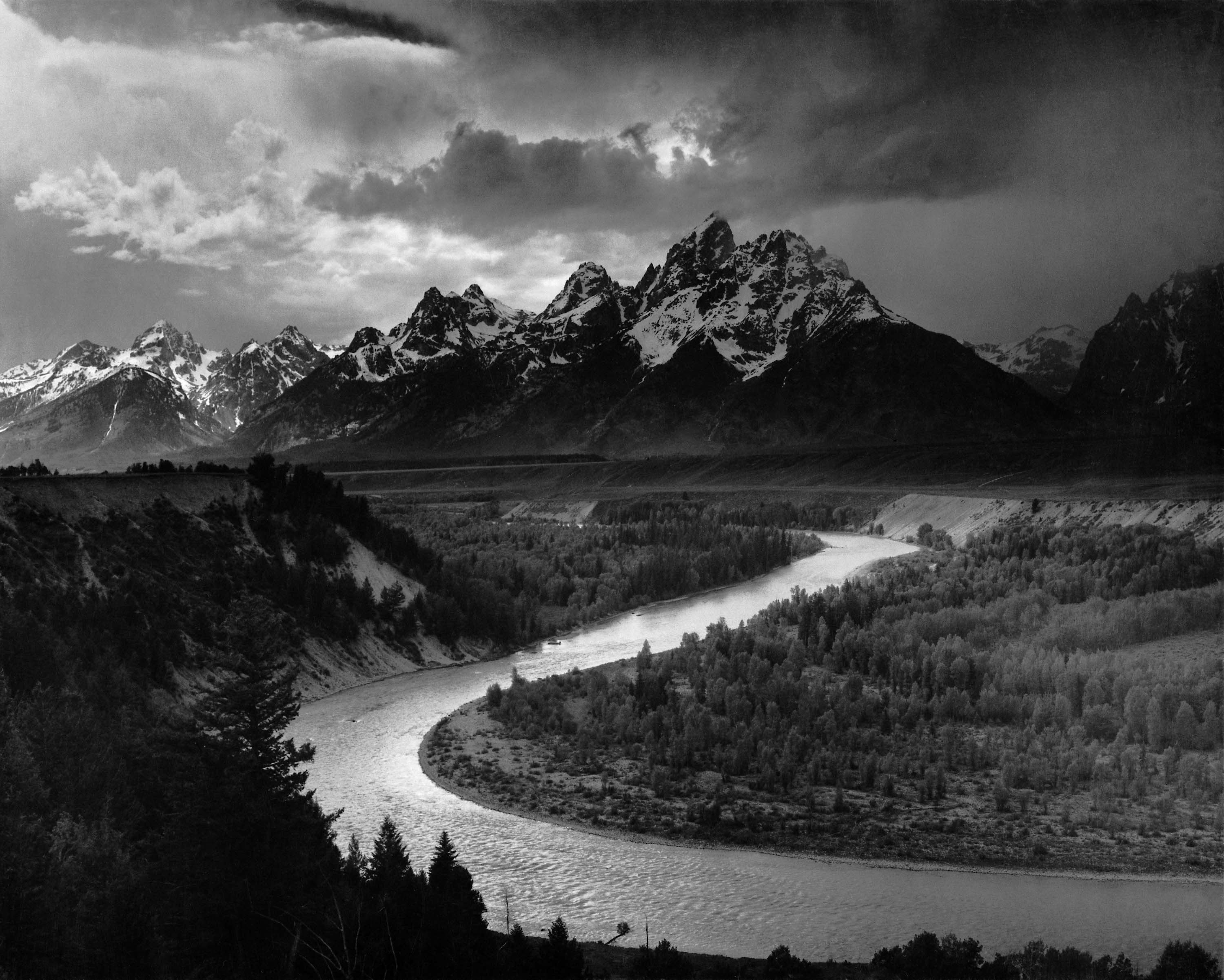
Key figures in photography basics include Ansel Adams, renowned for his mastery of landscape photography and the Zone System, a method for precise exposure control. Henri Cartier-Bresson is celebrated for coining the term 'decisive moment' and his influential approach to street photography, emphasizing composition and timing. Steve McCurry is a modern master known for his evocative portraits and travel photography, often highlighting vibrant colors and human stories. Organizations like the Royal Photographic Society and the Photographic Society of America play vital roles in education, exhibition, and advocacy for photographers worldwide. Major camera manufacturers such as Canon, Nikon, and Sony continue to drive technological advancements in camera bodies and lenses.
🌍 Cultural Impact & Influence
Photography basics have fundamentally reshaped how we perceive and document the world. From the early days of portrait studios to the ubiquitous nature of social media feeds, images now form a primary mode of communication and memory-keeping. The ability to capture and share moments instantly has influenced journalism, activism, and personal relationships. Movements like photojournalism have brought distant realities into public consciousness, while artistic photography has pushed the boundaries of visual expression. The democratization of photography, largely driven by smartphone technology, means billions now participate in visual storytelling, creating a global archive of human experience unlike any before. This visual saturation has also led to new ways of interpreting and consuming imagery.
⚡ Current State & Latest Developments
The current state of photography basics is characterized by the dominance of smartphone cameras, which now rival dedicated cameras in image quality for many users. Computational photography, where software algorithms enhance images beyond what optical hardware alone can achieve, is a major trend, seen in features like advanced HDR, night modes, and portrait effects. Mirrorless cameras are rapidly replacing DSLRs, offering smaller bodies, faster autofocus, and advanced video capabilities. AI-powered editing tools, such as those found in Adobe Lightroom and Google Photos, are becoming increasingly sophisticated, automating complex adjustments and even generating entirely new image elements. The rise of AI image generation platforms like Midjourney and OpenAI's DALL-E also presents a new frontier, blurring the lines between captured reality and synthetic imagery.
🤔 Controversies & Debates
A debate revolves around the definition of 'photography' itself in the age of AI image generation. Critics argue that AI-generated images, while visually compelling, lack the 'intent' and 'moment of capture' inherent in traditional photography, questioning whether they should be classified under the same umbrella. Another controversy concerns the ethical implications of AI in photography, particularly regarding deepfakes and the potential for misinformation. Furthermore, the increasing reliance on automated camera settings and post-processing software raises questions about the erosion of fundamental photographic skills. Some purists argue that true mastery of photography basics is being lost as users become overly dependent on technology to 'fix' images, rather than understanding the underlying principles.
🔮 Future Outlook & Predictions
The future of photography basics will likely be shaped by further integration of artificial intelligence and computational photography. Expect cameras to become even more intuitive, with AI predicting user intent and automatically optimizing settings for specific scenarios. The line between capturing reality and creating it will continue to blur, with hybrid workflows becoming standard. We may see advancements in light-field cameras that allow for post-capture focus adjustments and even the ability to change perspective. As hardware becomes more capable, the emphasis will likely shift even further towards creative vision and storytelling, making a deep understanding of composition, light, and narrative more critical than ever. The accessibility of powerful tools will continue to grow, potentially leading to new artistic movements and forms of visual communication.
💡 Practical Applications
Photography basics are applied across countless fields. In journalism, they are essential for capturing newsworthy events and telling stories. For marketing and advertising, compelling visuals are crucial for product promotion and brand building. Architectural photography documents buildings and spaces, while scientific photography aids in research and documentation. Real estate relies on attractive images to showcase properties. Even in everyday life, understanding basics like framing and lighting can significantly improve personal photos shared on Instagram or with family. For hobbyists, mastering these fundamentals unlocks creative expression and the ability to capture personal memories with greater impact.
Key Facts
- Category
- aesthetics
- Type
- topic