
Contents
Overview
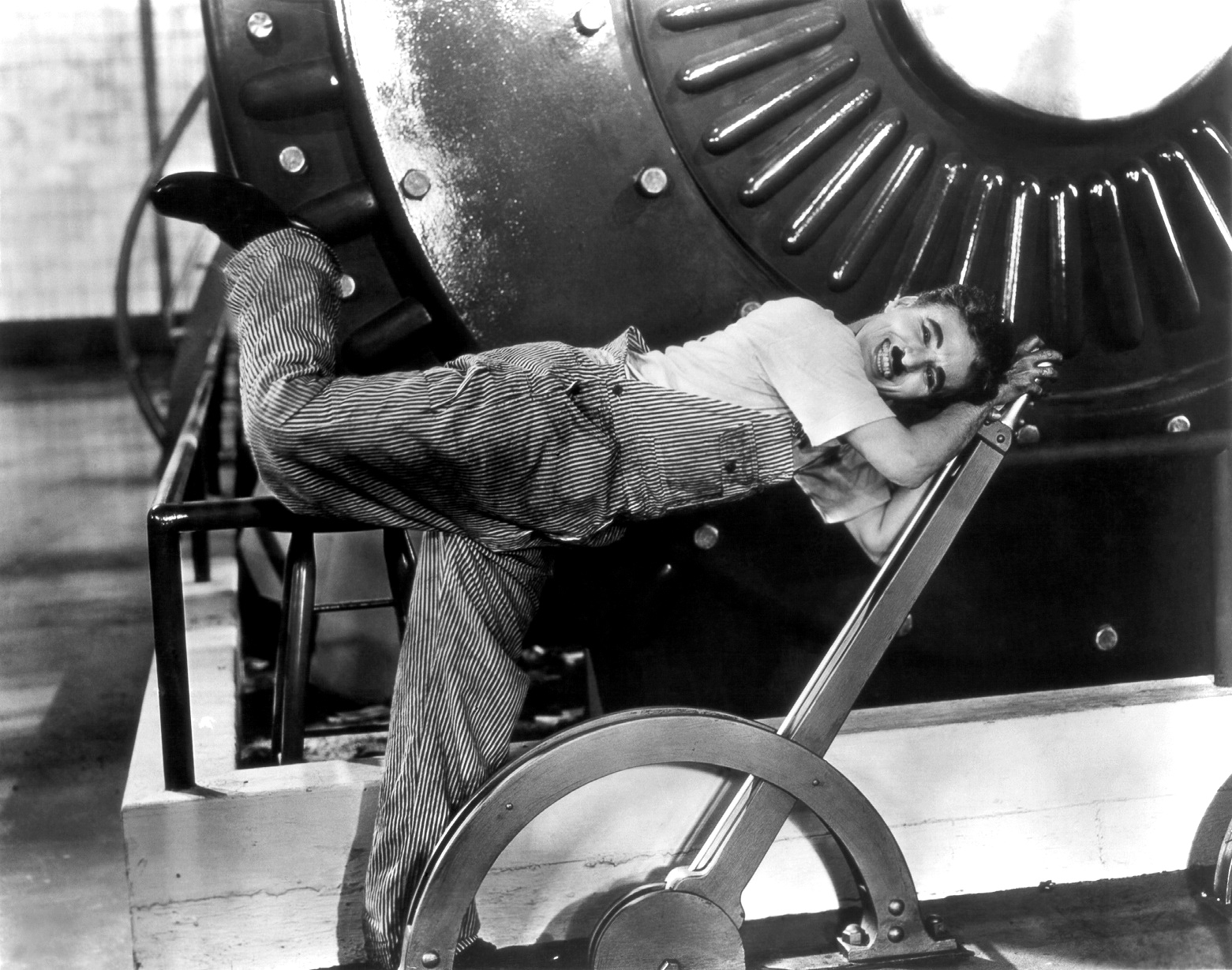
The lineage of physical comedy is ancient, tracing back to the jests of court jesters and the exaggerated performances of ancient Greek theatre's comedic actors, who wore large, grotesque masks to amplify their expressions. However, its more formalized development began with Commedia dell'arte in 16th-century Italy, where stock characters like the clumsy Arlecchino and the boastful Capitano relied heavily on mime, acrobatics, and exaggerated physical actions. This tradition directly influenced the development of vaudeville in the late 19th and early 20th centuries, a popular entertainment form that showcased a wide array of physical performers. The advent of silent film in the early 20th century proved to be a golden age for physical comedy, allowing performers like Charlie Chaplin, Buster Keaton, and Harold Lloyd to reach global audiences through visual storytelling and masterful physical timing, often without a single word of dialogue.
⚙️ How It Works
At its core, physical comedy operates on principles of surprise, exaggeration, and relatable vulnerability. The engineer of a physical gag must understand the physics of motion, impact, and reaction, even if those principles are intentionally subverted for comedic effect, as seen in cartoon physics. Key elements include timing – the precise moment a fall occurs or a pie hits its mark – and exaggeration, amplifying a simple stumble into a spectacular tumble. Facial expressions, from the wide-eyed shock of Jim Carrey to the deadpan stare of Burt Reynolds, are crucial tools. The 'setup and payoff' structure is paramount: a visual cue is established, and the subsequent action either fulfills or comically subverts the expectation. The audience's recognition of potential pain or embarrassment, coupled with the knowledge that the performer is safe (especially in slapstick), creates a unique blend of empathy and schadenfreude.
📊 Key Facts & Numbers
Globally, physical comedy has been a consistent draw. The enduring appeal of classic physical comedians on streaming services indicates a consistent audience appetite for this form of entertainment. The rise of TikTok and YouTube has created new avenues for physical comedians, with creators showcasing stunts, pranks, and comedic skits. Live entertainment, including Cirque du Soleil productions and independent comedy troupes, still relies heavily on physical performance.
👥 Key People & Organizations
Pioneers like Charlie Chaplin, Buster Keaton, and Harold Lloyd defined physical comedy in the silent film era, each developing a distinct persona and style of gag. Laurel and Hardy brought a unique blend of slapstick and character-driven humor to their numerous shorts and features. In the mid-20th century, Marcel Marceau elevated mime to an art form, conveying complex emotions and narratives through pure physicality. Later, performers like Lucille Ball in I Love Lucy and John Ritter in Three's Company brought physical comedy into television sitcoms. Contemporary figures such as Jim Carrey and Rowan Atkinson (as Mr. Bean) have continued this legacy, while groups like Jackass pushed the boundaries of dangerous physical stunts for comedic effect.
🌍 Cultural Impact & Influence
The influence of physical comedy is pervasive, shaping not only cinematic and theatrical traditions but also everyday communication. The universal language of a grimace, a shrug, or a pratfall transcends linguistic barriers, making it a powerful tool for global entertainment. Its techniques are foundational to clowning, mime, and circus arts. Furthermore, the visual gags and exaggerated reactions popularized in physical comedy have seeped into advertising, music videos, and internet memes, demonstrating its adaptability across media. The very concept of a 'visual gag' owes much to the silent film era's reliance on physical comedy to tell stories and elicit laughs, influencing everything from Pixar's animated features to the kinetic energy of Jackass.
⚡ Current State & Latest Developments
Physical comedy continues to thrive across various platforms. While traditional slapstick might be less prevalent in mainstream cinema, its spirit endures in action-comedy films and character-driven humor. The rise of TikTok and YouTube has created new avenues for physical comedians, with creators leveraging short-form video to showcase stunts, pranks, and comedic skits that often go viral. Live entertainment, including Cirque du Soleil productions and independent comedy troupes, still relies heavily on physical performance. The enduring popularity of classic physical comedians on streaming services indicates a consistent audience appetite for this form of entertainment, suggesting its relevance is far from fading.
🤔 Controversies & Debates
One persistent debate surrounding physical comedy, particularly slapstick, concerns its perceived lack of intellectual depth. Critics sometimes dismiss it as lowbrow or unsophisticated, arguing that it prioritizes cheap laughs over meaningful commentary. Conversely, proponents argue that mastering physical comedy requires immense skill, precision, and an understanding of human psychology, akin to any other art form. The ethical implications of dangerous stunts, as seen in the Jackass series, also spark controversy, raising questions about performer safety and the audience's appetite for risk. Furthermore, the line between genuine physical comedy and gratuitous violence or bullying can be blurred, leading to discussions about taste and intent.
🔮 Future Outlook & Predictions
The future of physical comedy appears robust, driven by technological advancements and evolving media consumption habits. Virtual reality (VR) and augmented reality (AR) offer new frontiers for immersive physical comedy experiences, allowing audiences to participate in or witness gags in unprecedented ways. The continued growth of short-form video platforms will likely foster a new generation of physical comedians adept at crafting viral moments. While dialogue-driven comedy remains dominant in many areas, the universal appeal of a well-executed physical gag ensures its place in entertainment. Expect to see more hybrid forms, blending physical performance with digital effects and interactive elements, pushing the boundaries of what constitutes a 'physical' joke.
💡 Practical Applications
Physical comedy finds practical application far beyond the stage and screen. In education, teachers use exaggerated movements and facial expressions to engage young learners and explain complex concepts. Therapy settings, particularly child therapy and occupational therapy, often incorporate playful physical activities and silliness to build rapport and encourage motor skill development. Public speaking coaches frequently advise incorporating gestures and physical presence to enhance audience engagement and convey confidence. Even in everyday interactions, a well-timed humorous gesture or exaggerated reaction can diffuse tension, build connection, and make communication more memorable and effective.
Key Facts
- Category
- culture
- Type
- topic