
Contents
Overview
Pipe wrenches are robust, adjustable tools designed to grip and turn cylindrical objects, primarily threaded pipes and fittings. Characterized by their serrated jaws and a unique lever-action mechanism, they provide significant torque for tightening and loosening connections in plumbing, construction, and industrial maintenance. The most common form, the Stillson wrench, patented in the late 19th century, revolutionized pipe work with its self-gripping capability. While variations exist, the core function remains: to provide a powerful, non-slip grip on pipes that might otherwise be difficult to manipulate. These tools are indispensable for tradespeople, boasting a history intertwined with the expansion of modern infrastructure and a continued presence in workshops worldwide.
🎵 Origins & History
The breakthrough in pipe wrench design came with the invention of the Stillson wrench. Lester L. Stillson patented his design, which featured adjustable jaws that would tighten their grip as more torque was applied, a significant improvement over earlier, less secure designs. Stillson licensed his patent to the Walworth Company, a major manufacturer of pipe fittings and tools, which began mass-producing the wrench, cementing its name and design as the de facto standard. This led to widespread imitation and the proliferation of 'Stillson-pattern' wrenches by numerous manufacturers globally, including Ridgid and Crescent Tool Company, who became major players in the market.
⚙️ How It Works
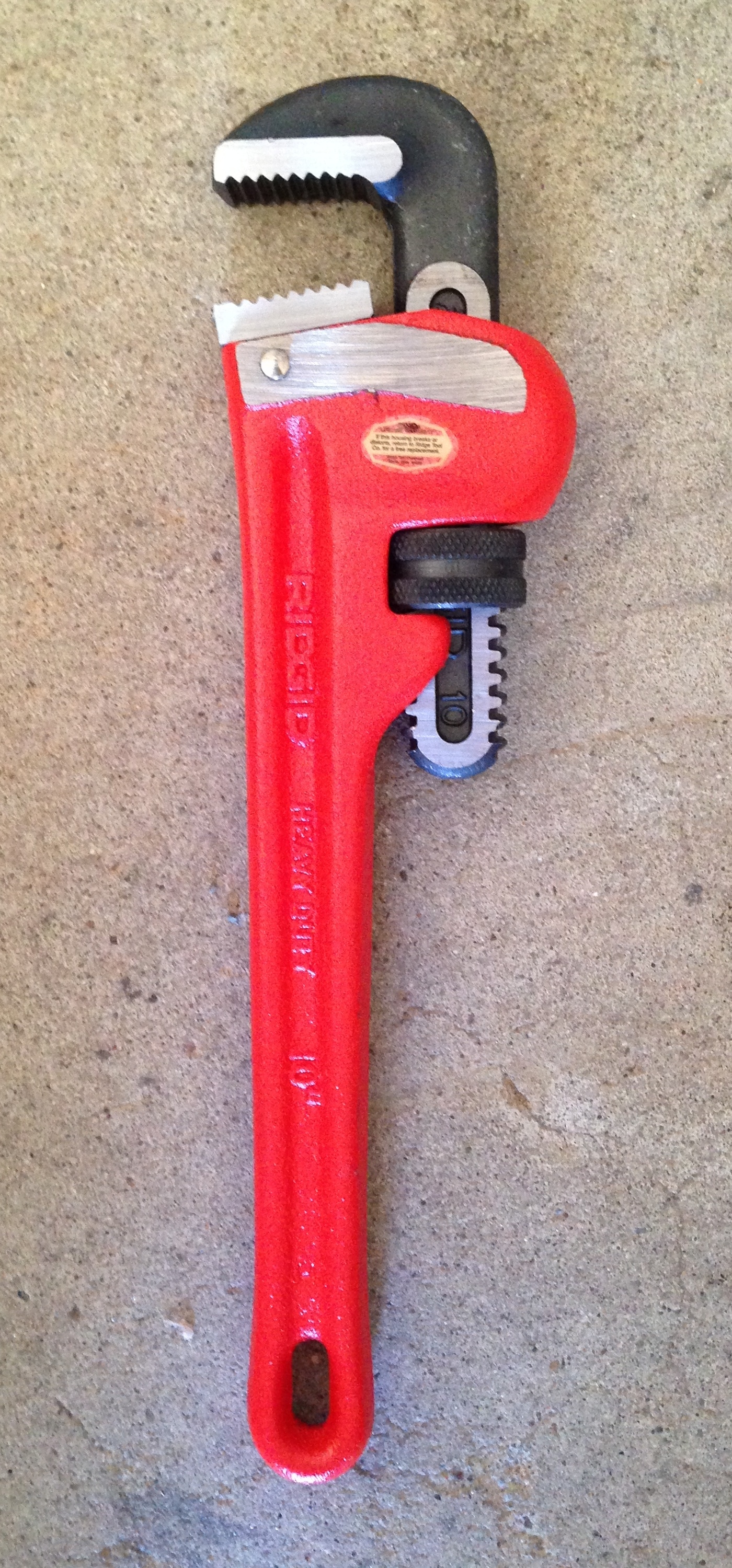
The fundamental design of a pipe wrench, particularly the Stillson pattern, relies on a clever mechanical advantage. It consists of a fixed lower jaw and a movable upper jaw, controlled by a threaded adjustment screw. When the user positions the wrench on a pipe and applies force, the angled teeth on both jaws dig into the pipe's surface. The more force applied, the tighter the jaws grip, preventing slippage. The handle acts as a lever, amplifying the user's torque to turn the pipe. This self-tightening action is crucial for gripping pipes that may be smooth or slightly corroded. Different jaw designs, such as straight, offset, and compound leverage types, offer variations in accessibility and torque application for specific scenarios.
📊 Key Facts & Numbers
Globally, the pipe wrench market is substantial. Millions of pipe wrenches are manufactured annually, with major producers like Ridgid and Crescent (part of Apex Tool Group) dominating significant market shares. Ridgid is a major player in the market. Crescent Tool Company is a major player in the market. Apex Tool Group is a major player in the market. The average price for a standard 10-inch pipe wrench can range from $15 to $50, depending on brand and quality, with professional-grade models often exceeding $100. It's estimated that over 50 million plumbers and pipefitters worldwide regularly utilize pipe wrenches in their daily work.
👥 Key People & Organizations
The invention of the Stillson wrench is inextricably linked to Lester L. Stillson, its patent holder. The Walworth Company was instrumental in popularizing the design, becoming a dominant force in pipe tool manufacturing. Later, companies like Ridgid and Crescent Tool Company (now part of Apex Tool Group) emerged as major competitors and innovators, refining designs and expanding product lines. Ridgid was founded in 1923. Stanley Black & Decker also produces pipe wrenches under various brands. These organizations have not only manufactured tools but have also shaped industry standards and training for tradespeople.
🌍 Cultural Impact & Influence
The pipe wrench is more than just a tool; it's a symbol of manual labor, infrastructure development, and the trades. Its image frequently appears in media depicting plumbers, construction workers, and industrial settings, often representing grit and problem-solving. The 'Stillson' name itself has become almost generic, a testament to its widespread adoption and cultural penetration, akin to 'Kleenex' for tissues. Its influence is seen in the design of other gripping tools and in the very language of trade, where 'gripping' a pipe can metaphorically mean taking control of a difficult situation. The ubiquity of the pipe wrench in workshops and toolboxes worldwide underscores its enduring cultural resonance.
⚡ Current State & Latest Developments
In 2024, pipe wrenches remain a cornerstone of the plumbing and mechanical trades. While advancements in materials science have led to lighter, stronger alloys and more ergonomic designs, the core functionality of the Stillson-pattern wrench has remained remarkably consistent for over a century. Manufacturers continue to innovate with features like improved jaw teeth for better grip on specific materials (e.g., plastic pipes), enhanced corrosion resistance, and integrated measurement markings. The rise of specialized tools for specific applications, such as basin wrenches for under-sink work or chain wrenches for large-diameter pipes, offers alternatives, but the general-purpose pipe wrench continues its reign in most workshops.
🤔 Controversies & Debates
One persistent debate surrounding pipe wrenches centers on their potential to damage pipes, particularly softer materials like copper or certain plastics. Critics argue that the aggressive, serrated jaws, designed for maximum grip on metal pipes, can easily deform, scratch, or crush more delicate materials, leading to leaks or structural weakness. This has led to the development of specialized pipe wrenches with smoother jaws or inserts, and a greater emphasis on using the correct tool for the job. Another point of contention is the 'self-tightening' nature; while advantageous for grip, it can make repositioning the wrench difficult without loosening the grip entirely, a minor inconvenience compared to the benefits for many tasks.
🔮 Future Outlook & Predictions
The future of pipe wrenches likely involves a continued focus on material science and ergonomic design. We may see wider adoption of advanced composite materials for lighter weight and increased strength, alongside further refinements in jaw geometry for enhanced grip on an ever-wider range of pipe materials, including composites and specialized alloys. The integration of smart technology, while perhaps a long shot for such a mechanical tool, could theoretically lead to wrenches with built-in torque sensors or digital readouts for precision applications. However, the fundamental, robust design that made the Stillson wrench iconic is unlikely to disappear, ensuring its continued relevance for decades to come.
💡 Practical Applications
Pipe wrenches are indispensable in a multitude of practical applications. Their primary use is in assembling and disassembling threaded pipes for water, gas, and steam systems in residential, commercial, and industrial buildings. They are crucial for maintenance and repair work on pipelines, oil rigs, and manufacturing equipment. Plumbers, steamfitters, mechanics, and general maintenance personnel rely on them for tasks ranging from changing a faucet to repairing large industrial conduits. The adjustable nature of the wrench allows it to accommodate a wide range of pipe diameters, making it a versatile tool for various plumbing and mechanical challenges.
Key Facts
- Category
- technology
- Type
- product