
Contents
- 🚀 What is a Playroom & Who Needs One?
- 💡 Core Design Principles for Imaginative Play
- 🎨 The Spectrum of Playroom Styles
- 🧸 Essential Playroom Elements & Zones
- 📏 Size Matters: Adapting to Your Space
- 🔒 Safety First: Non-Negotiables for Play
- 🌿 Eco-Conscious Playroom Choices
- ✨ The Future of Play Spaces
- Frequently Asked Questions
- Related Topics
Overview
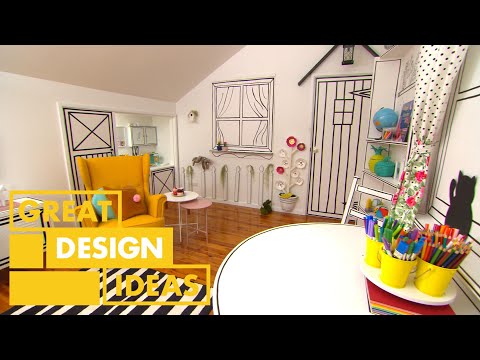
A playroom is more than just a room with toys; it's a dedicated sanctuary designed to foster creativity, imagination, and child development. It's for parents and caregivers seeking to provide children with a stimulating environment that encourages independent exploration and learning through play. Whether you have a sprawling bonus room or a cozy corner in a living area, the goal is to create a space that sparks joy and supports cognitive and emotional growth. This isn't about Pinterest-perfect aesthetics; it's about functional design that adapts to a child's evolving needs and interests, from toddlers to pre-teens. A well-designed playroom can significantly reduce clutter in other parts of the house and provide a consistent space for focused activity.
💡 Core Design Principles for Imaginative Play
At its heart, playroom design hinges on flexibility and accessibility. The space should be inviting, with clear sightlines for supervision and easy access to materials. Think about ergonomics for children – low shelves, child-sized furniture, and open floor space for movement are crucial. Incorporate elements that encourage open-ended play, meaning toys and materials that can be used in multiple ways, rather than single-purpose gadgets. Color palettes can influence mood; vibrant hues can energize, while softer tones can promote calm. Natural light is a powerful, often overlooked, design tool that enhances the overall atmosphere and reduces reliance on artificial lighting. Consider the psychology of color in children's spaces to make informed choices.
🎨 The Spectrum of Playroom Styles
Playroom styles range from the minimalist and Scandinavian-inspired, focusing on natural materials and muted tones, to the vibrant and maximalist, embracing bold colors and eclectic decor. Some opt for themed rooms, like a 'space station' or 'enchanted forest,' while others prefer a more adaptable, multi-purpose design. A popular trend is the 'Montessori playroom,' emphasizing independence with accessible storage and natural materials. Another approach is the 'sensory playroom,' incorporating textures, lights, and sounds to stimulate different senses, particularly beneficial for children with sensory processing disorder. The key is to choose a style that aligns with your family's values and your child's personality, rather than adhering to fleeting trends. Understanding the evolution of children's furniture design can also inform your aesthetic choices.
🧸 Essential Playroom Elements & Zones
Key elements include designated zones for different types of play: a quiet reading nook with comfortable seating and children's books, an art station with easy-to-clean surfaces and accessible supplies, a building zone with ample floor space for blocks and construction toys, and a dramatic play area with costumes and props. Ample, accessible storage is paramount – think open shelving, bins, and baskets that allow children to see and retrieve toys independently. A chalkboard wall or whiteboard can transform a blank surface into a canvas for creativity. Incorporating elements like a play kitchen, a small slide, or a climbing structure can add dynamic play opportunities. Consider the impact of open-ended toys on cognitive development when selecting items.
📏 Size Matters: Adapting to Your Space
The size of your playroom dictates the scale and number of elements you can include. For smaller spaces, multi-functional furniture is key; a toy storage bench can double as seating, and a wall-mounted fold-down table can serve as an art or building surface. Vertical space is your friend – use wall shelves and hanging organizers to maximize storage without sacrificing floor area. Even a small corner can become a 'play nook' with a rug, a few cushions, and a small selection of accessible toys. For larger rooms, you have the luxury of creating distinct zones and incorporating larger play structures. Always ensure there's enough open floor space for active play, regardless of the room's dimensions. Maximizing small space storage solutions is a critical skill for many families.
🔒 Safety First: Non-Negotiables for Play
Safety is non-negotiable. Ensure all furniture is stable and anchored to walls to prevent tipping, especially with climbing elements. Electrical outlets should be covered, and cords for blinds or curtains should be kept out of reach. Use non-toxic paints and finishes, and ensure toys are age-appropriate and free from small parts that could be choking hazards for younger children. Rounded corners on furniture and soft flooring like rugs or foam mats can prevent injuries from falls. Regularly inspect toys for damage and discard any broken items. Familiarize yourself with childproofing best practices to create a secure environment for exploration.
🌿 Eco-Conscious Playroom Choices
Opting for eco-conscious materials is a growing trend that benefits both children and the planet. Choose furniture made from sustainably sourced wood (FSC-certified) or bamboo. Look for toys made from natural materials like wood, organic cotton, or recycled plastics. Paints and finishes should be low-VOC (volatile organic compounds) or zero-VOC to ensure good indoor air quality. Consider natural fiber rugs made from wool or jute. Even the cleaning supplies used in the playroom should be eco-friendly. This approach not only reduces environmental impact but also minimizes exposure to potentially harmful chemicals for children. Researching sustainable toy brands can be a good starting point.
✨ The Future of Play Spaces
The future of play spaces is likely to be more integrated with technology, but with a focus on mindful use. Think augmented reality elements that enhance physical toys, or interactive walls that respond to touch and movement. However, the core principles of fostering imagination and hands-on exploration will remain paramount. We might see a greater emphasis on modular, adaptable spaces that can be easily reconfigured as children grow. The rise of DIY educational toys and the maker movement will also continue to influence how we design and utilize play areas, encouraging children to be creators, not just consumers. The challenge will be balancing digital engagement with essential physical and social play experiences. What new forms of interactive play will emerge next?
Key Facts
- Year
- 2024
- Origin
- Vibepedia.wiki
- Category
- Home & Lifestyle
- Type
- Resource Guide
Frequently Asked Questions
What's the minimum space needed for a playroom?
You don't need an entire room! Even a dedicated corner of a living room or bedroom can function as a playroom. The key is to define the space with a rug, accessible storage, and a few key play elements. Focus on quality over quantity of space, ensuring there's enough room for movement and imagination to flourish. Think about how to maximize vertical space with shelves and wall-mounted organizers if floor area is limited. A well-organized small space can be more effective than a large, cluttered one.
How do I keep a playroom organized?
Organization is an ongoing process, not a one-time event. Implement a system of accessible storage: open shelves, labeled bins, and baskets allow children to easily see and put away toys. Rotate toys regularly to keep things fresh and reduce clutter. Involve children in the tidying process by making it a fun, routine part of playtime. Consider a 'one in, one out' rule for new toys to manage incoming items. Decluttering sessions every few months are also essential to remove broken or outgrown items.
What are the best colors for a playroom?
Color choice depends on the desired mood. Bright, primary colors can be stimulating and energizing, ideal for art and active play zones. Softer, muted tones like pastels or earth tones can promote a calmer atmosphere, suitable for reading nooks or quiet activities. Many designers opt for a neutral base with pops of color through toys and decor, allowing for easy updates. Consider the psychology of color in children's spaces for more specific guidance. Ultimately, involve your child in the color selection process if they are old enough.
Should I include technology in the playroom?
This is a debated topic. While some advocate for tech-free play to encourage imagination, others see value in age-appropriate educational tech. If you choose to incorporate technology, ensure it's balanced with plenty of hands-on, open-ended play. Interactive screens or educational apps can supplement, but shouldn't replace, physical toys and social interaction. Set clear limits on screen time and prioritize devices that encourage creativity or problem-solving. The impact of screen time on child development is a significant area of ongoing research.
How can I make a playroom safe for a toddler?
Safety is paramount for toddlers. Ensure all furniture is anchored to walls to prevent tipping. Cover electrical outlets and secure cords. Use non-toxic paints and finishes. Choose toys that are age-appropriate and free from small parts that could be choking hazards. Soft flooring like rugs or foam mats can cushion falls. Regularly inspect toys for damage and remove any sharp edges or broken pieces. Rounded corners on furniture are also a good idea. Familiarize yourself with childproofing best practices.