
Contents
- 🛠️ What Exactly IS a Plumber's Auger?
- 🎯 Who Needs to Know About Augers?
- ⚙️ The Core Mechanics: How They Work
- ⚖️ Manual vs. Electric: The Great Divide
- 💡 Beyond the Basics: Types and Features
- 📈 Vibe Score & Controversy Spectrum
- ⚠️ Common Pitfalls & How to Avoid Them
- ⭐ What the Pros Say (and What They Don't)
- 💰 Cost Considerations: Investment vs. Expense
- 🌐 The Future of Drain Clearing Tech
- 📞 Getting Started: Your First Auger Decision
- Frequently Asked Questions
- Related Topics
Overview
A plumber's auger, often called a drain snake or drain auger, is a specialized tool designed to clear blockages deep within plumbing pipes. Unlike a simple plunger that relies on pressure, an auger uses a flexible coil of metal to physically break up or retrieve obstructions like hair, grease, and foreign objects. These aren't your grandma's coat hangers; modern augers range from compact hand-cranked units for minor clogs to heavy-duty electric machines capable of tackling severe blockages in main sewer lines. Understanding the different types and their applications is crucial for anyone dealing with persistent drain issues.
🎯 Who Needs to Know About Augers?
This knowledge is essential for homeowners facing recurring clogs, DIY enthusiasts looking to save on professional plumbing calls, and, of course, professional plumbers who rely on these tools daily. Even property managers and maintenance staff in commercial buildings will find value in understanding auger capabilities. For the average homeowner, a basic manual auger can be a lifesaver, preventing minor inconveniences from escalating into costly emergencies. Professionals, however, will need to consider the nuances of electric models and specialized attachments for efficiency and effectiveness.
⚙️ The Core Mechanics: How They Work
At its heart, an auger operates on a simple mechanical principle: rotation and penetration. The flexible cable, often made of tempered steel, is fed into the drainpipe until it encounters resistance. By rotating the handle (manual) or motor (electric), the auger head, which is typically a corkscrew or cutting tip, spins. This rotation allows it to bore through soft blockages like sludge and grease, or to hook onto and pull out solid obstructions like roots or dropped items. The flexibility of the cable is key, enabling it to navigate bends and traps within the pipe system without getting stuck.
⚖️ Manual vs. Electric: The Great Divide
The primary distinction in augers lies between manual and electric models. Manual augers, like the toilet auger or a simple hand-crank drain snake, are affordable and portable, ideal for light-duty tasks in sinks and toilets. Electric augers, on the other hand, offer significantly more power and speed, making them indispensable for professional plumbers tackling tougher jobs in bathtubs, showers, and main sewer lines. While electric models can be more expensive and require a power source, their efficiency in clearing stubborn clogs often justifies the investment for frequent users.
💡 Beyond the Basics: Types and Features
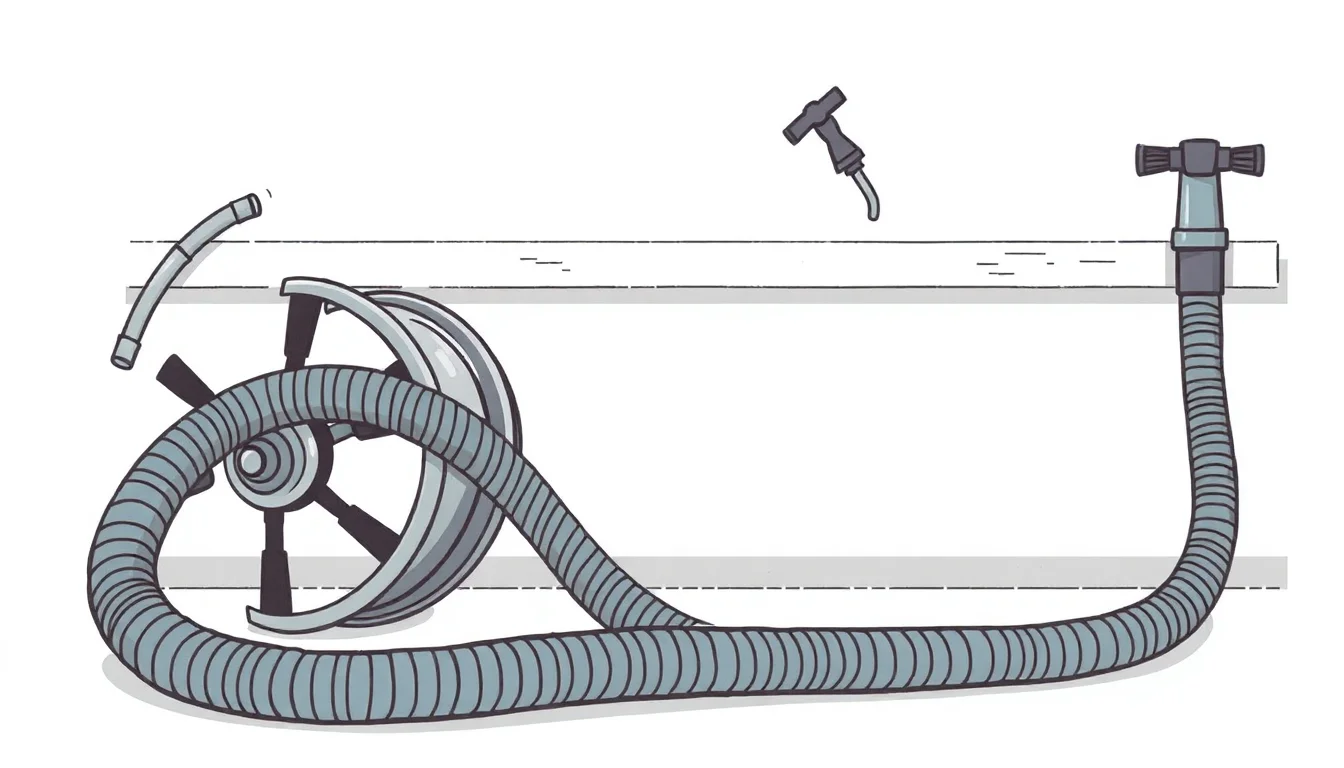
Beyond the manual/electric divide, augers come in various forms. Closet augers have a protective sleeve to prevent scratching porcelain. Drum augers feature a rotating drum that houses the cable, keeping it tidy and preventing kinks. Sectional augers consist of interchangeable cable sections, allowing for greater reach and easier maintenance. Some advanced models incorporate features like auto-feed mechanisms for cable advancement and built-in lights to illuminate the pipe interior, enhancing usability and effectiveness.
📈 Vibe Score & Controversy Spectrum
The Vibe Score for plumber's augers hovers around a solid 75/100, reflecting their indispensable, albeit unglamorous, role in maintaining household and municipal infrastructure. The Controversy Spectrum is relatively low, with most debates centering on the efficacy of specific brands or the best type of auger for particular clog scenarios. However, a fringe debate exists regarding the environmental impact of chemical drain cleaners versus mechanical methods like augers, with augers generally favored for their non-corrosive approach.
⚠️ Common Pitfalls & How to Avoid Them
A common pitfall is using the wrong type of auger for the job – a small hand auger won't cut it for a main line blockage. Forcing the auger too aggressively can damage pipes, especially older or weaker ones. Another mistake is not properly cleaning the auger after use, which can lead to rust and premature wear. Always ensure the cable is fully retracted and cleaned before storing. For sewer line clogs, it's often best to call a professional rather than risk further damage with an inappropriate tool.
⭐ What the Pros Say (and What They Don't)
Professionals often praise the reliability and effectiveness of well-maintained augers, particularly electric models from brands like General Pipe Cleaners or Ridgid. They'll tell you that the 'feel' of the cable is crucial – knowing when you've hit a clog versus a pipe bend. What they might not always advertise is the sheer physical effort involved, even with electric models, and the occasional necessity of calling in a specialized hydro-jetting service for truly intractable blockages. The best auger is often the one you know how to use expertly.
💰 Cost Considerations: Investment vs. Expense
The cost of a plumber's auger can range from $20-$50 for a basic toilet snake to several hundred or even over a thousand dollars for professional-grade electric drain cleaning machines. For occasional home use, a manual auger is a cost-effective solution that can save hundreds in plumbing fees over time. For businesses or individuals who frequently encounter drain issues, investing in a more robust electric auger can pay for itself through increased efficiency and reduced service callouts. Consider the frequency and severity of your typical clogs when budgeting.
🌐 The Future of Drain Clearing Tech
The future of drain clearing technology is likely to see further integration of smart features and automation. We might see augers with built-in cameras for real-time pipe inspection, advanced sensor technology to identify clog composition, and even AI-driven systems that optimize the clearing process. While hydro-jetting and trenchless pipe repair methods continue to advance, the humble auger, in its ever-evolving forms, will likely remain a fundamental tool for plumbers due to its direct, mechanical approach and relative affordability. The question remains: will automation diminish the 'feel' that experienced plumbers rely on?
📞 Getting Started: Your First Auger Decision
Deciding on your first plumber's auger depends on your needs. For most homeowners, a manual drain snake for general sink and tub clogs, and a toilet auger specifically for the commode, are excellent starting points. These can be purchased at most hardware stores or online retailers. If you're a professional or anticipate frequent, severe clogs, research reputable brands like General Pipe Cleaners and Ridgid for their electric drum or sectional augers. Always check reviews and consider the warranty offered before making a significant investment.
Key Facts
- Year
- Circa 1930s (modern iterations)
- Origin
- United States
- Category
- Tools & Equipment
- Type
- Tool
Frequently Asked Questions
Can I use a plumber's auger on a clogged toilet?
Yes, but it's best to use a specialized toilet auger. These have a protective sleeve to prevent scratching the porcelain bowl and a curved end designed to navigate the toilet trap effectively. Standard drain snakes can be too long or rigid and may damage the toilet.
How do I prevent damaging my pipes with an auger?
The key is to use the right type of auger for the job and to apply force judiciously. Start by feeding the cable gently. If you encounter resistance, rotate the auger slowly. Avoid forcing it aggressively, especially in older or fragile pipe systems. If you're unsure, it's always safer to consult a professional plumber.
What's the difference between a drain snake and a drain auger?
The terms are often used interchangeably, but 'auger' typically refers to a tool with a corkscrew-like head designed to bore through or hook onto clogs, while 'snake' can sometimes refer to a simpler, more flexible cable. In practice, most tools sold as 'drain snakes' today are indeed augers with specialized heads.
How often should I clean my plumber's auger?
You should clean your auger thoroughly after each use. Remove any debris, wipe down the cable, and apply a light coat of oil to prevent rust, especially for steel cables. Proper maintenance ensures the tool's longevity and prevents future clogs from being exacerbated by a dirty auger.
When should I call a professional plumber instead of using an auger myself?
If you've tried a manual auger and the clog persists, or if you suspect a blockage in your main sewer line, it's time to call a professional. Recurring clogs, multiple fixtures backing up simultaneously, or sewage odors are also strong indicators that a professional plumber with specialized equipment like camera inspection services is needed.
Are electric augers worth the extra cost for a homeowner?
For most homeowners, a good quality manual auger is sufficient for occasional sink or tub clogs. However, if you have a large home, older pipes prone to frequent blockages, or a history of severe clogs, an electric auger can save significant time and effort, potentially justifying the higher initial investment. Consider the frequency and severity of your typical drain issues.