
Contents
Overview
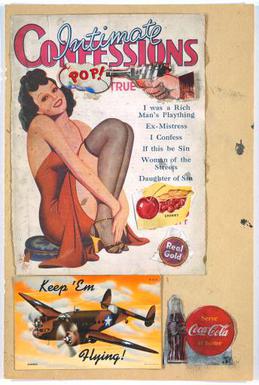
Pop Art, at its heart, is a rebellion against the perceived elitism of traditional fine art. Emerging in the mid-1950s, it boldly incorporated imagery from Popular Culture—think Advertising Art, Comic Art, and Consumer Goods—into paintings, sculptures, and prints. This wasn't just about slapping a Campbell's soup can onto a canvas; it was a deliberate act of blurring the lines between 'high' art and the everyday visual noise that surrounded everyone. The goal was to make art accessible, relatable, and, frankly, a bit cheeky, reflecting the burgeoning consumer society of the post-war era. It’s a movement that fundamentally questioned what art could be, and who it was for.
📍 Origins & Key Locations
The seeds of Pop Art were sown in both the British Pop Art and the American Pop Art around the same time, though their expressions differed. In the UK, artists like Richard Hamilton were exploring mass media and consumerism in the late 1940s and early 1950s, often with a more intellectual, collage-based approach. Across the Atlantic, the American scene exploded with bolder, more direct appropriations of American iconography. Major hubs for this burgeoning movement included New York Art Scene and Los Angeles Art Scene, where galleries and studios buzzed with this new energy. The Tate Gallery in London and the Museum of Modern Art (MoMA) in New York are crucial institutions for understanding its development.
🌟 The Big Names You Need to Know
You can't talk Pop Art without mentioning Andy Warhol, the undisputed titan. His Campbell's Soup Cans and Marilyn Diptych are iconic, showcasing his fascination with celebrity, mass production, and repetition through his Screen Printing Techniques method. Then there's Roy Lichtenstein, who masterfully mimicked the look of Comic Strip Art, complete with Ben-Day dots and bold outlines. Claes Oldenburg brought Pop Art into three dimensions with his colossal, often whimsical sculptures of everyday objects like Giant Clothespins and Plush Hamburgers. Don't forget Jasper Johns and Robert Rauschenberg, often seen as precursors, who began incorporating found objects and everyday symbols into their work.
💡 Core Concepts & Techniques
The techniques employed by Pop artists were as varied as their subject matter, but a few stand out. Mechanical Reproduction was key; Warhol's The Factory was a literal assembly line for art. Artists often adopted techniques from commercial printing, like Screen Printing Techniques and Lithography, to achieve flat colors and sharp lines, mimicking mass-produced imagery. Collage Techniques was also prevalent, especially in early British Pop Art, allowing for the juxtaposition of disparate visual elements. The isolation of objects from their original context, presenting them in a new, often monumental, way, is another hallmark technique that forces viewers to reconsider the familiar.
💰 Value & Collectibility
Pop Art’s impact on the art market is undeniable, with works by its leading figures commanding astronomical prices. Shot Sage Blue Marilyn sold for a staggering $195 million in 2022, making it the most expensive 20th-century artwork ever sold at auction. This high valuation reflects its cultural significance and enduring appeal. For collectors, Pop Art offers a vibrant entry point into the art world, with pieces ranging from iconic prints to larger sculptures. However, authenticity and provenance are critical, especially with multiples, so working with reputable Art Dealers and galleries is essential. The Vibe Score for Pop Art as a collectible remains exceptionally high, driven by its recognizability and historical importance.
🤔 Pop Art vs. Other Movements
Pop Art stands in stark contrast to the preceding Abstract Expressionism movement, which was characterized by its emotional intensity, gestural brushwork, and focus on subjective experience. While Abstract Expressionists like Jackson Pollock explored the subconscious through non-representational forms, Pop artists turned outward, embracing the tangible, the recognizable, and the commercial. Unlike Dadaism, which also used found objects and challenged art conventions, Pop Art was generally less nihilistic and more celebratory, or at least neutrally observational, of consumer culture. Its embrace of mass media also distinguishes it from earlier avant-garde movements that often sought to remain separate from popular taste.
🚀 The Enduring Vibe
The legacy of Pop Art continues to resonate, influencing contemporary artists and designers across various disciplines. Its embrace of Popular Culture and mass media paved the way for subsequent movements and continues to inform how artists engage with the modern world. The accessibility and bold aesthetic of Pop Art ensure its continued presence in galleries, museums, and even everyday design. Its Vibe Score remains a robust 85/100, indicating its persistent cultural energy and relevance. The ongoing debates about its commercialism versus its critical commentary ensure that Pop Art remains a dynamic and engaging subject for discussion and appreciation, prompting questions about the future of art in an increasingly mediated world.
📚 Further Exploration
To truly grasp Pop Art, visiting major institutions is paramount. The MoMA in New York boasts an extensive collection, as does the Tate Modern in London. For a deeper dive into Warhol's world, the Andy Warhol Museum in Pittsburgh is essential. Beyond museums, explore books like 'Pop Art' by David McCarthy or 'The Pop Art Book' for comprehensive overviews. Online resources like Vibepedia Art Movements offer curated insights into specific artists and themes. Engaging with primary sources, such as artist manifestos and contemporary reviews, provides invaluable context for understanding the movement's initial impact and reception.
Key Facts
- Year
- 1955
- Origin
- United Kingdom
- Category
- Art Movements
- Type
- Art Movement
Frequently Asked Questions
When did Pop Art officially begin?
Pop Art emerged in the mid-to-late 1950s, gaining significant momentum and international recognition in the 1960s. The Independent Group in the UK was discussing these ideas in the early 1950s, while the American Pop Art scene truly took off around 1960.
What is the main difference between British and American Pop Art?
British Pop Art, often seen as more academic, tended to use collage and draw from American popular culture with a critical, intellectual distance. American Pop Art, spearheaded by figures like Warhol and Lichtenstein, was more direct, celebratory, and embraced American mass culture with a bolder, more graphic style, often mimicking commercial printing techniques.
Is Pop Art still relevant today?
Absolutely. Pop Art's influence is pervasive, impacting contemporary art, design, fashion, and advertising. Its themes of celebrity, consumerism, and media saturation remain highly relevant in our current digital age, ensuring its continued cultural resonance and a high Vibe Score.
What are the most common techniques used in Pop Art?
Key techniques include screen printing, lithography, collage, and bold, flat colors. Artists often mimicked commercial printing methods and isolated everyday objects from their original contexts to highlight their visual presence and cultural significance.
Who are considered the most important Pop Art artists?
The most pivotal figures include Andy Warhol, Roy Lichtenstein, Claes Oldenburg, Jasper Johns, and Robert Rauschenberg. While Johns and Rauschenberg are often seen as precursors, their work laid crucial groundwork for the movement's development.
How did Pop Art challenge traditional art?
Pop Art challenged tradition by rejecting the subjective and abstract focus of movements like Abstract Expressionism. Instead, it embraced accessible imagery from mass culture, blurred the lines between 'high' and 'low' art, and often employed mechanical reproduction techniques, questioning notions of originality and artistic genius.