
Contents
Overview
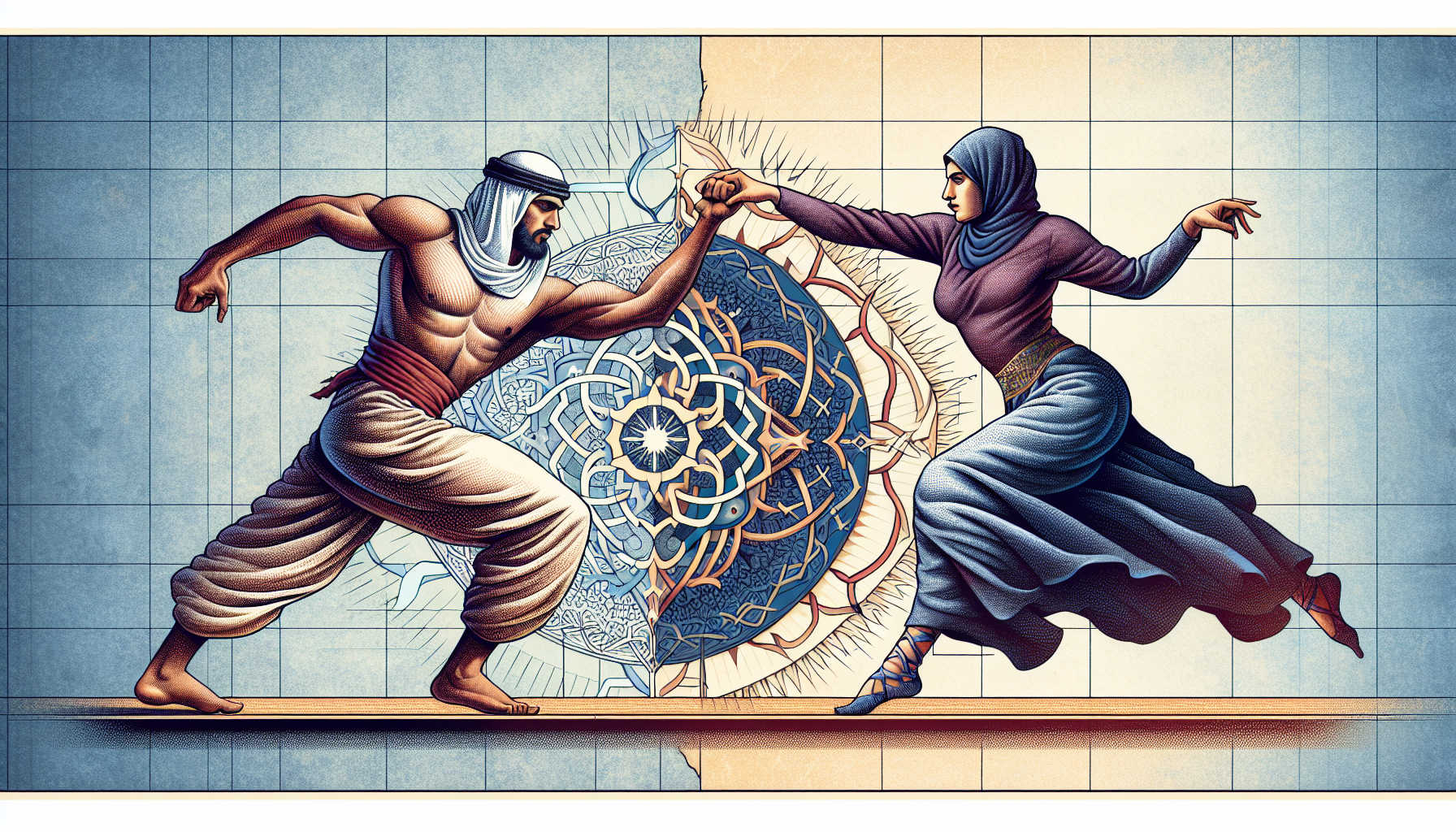
The concept of power dynamics and resistance has deep roots in philosophical and sociological thought, with Michel Foucault being a pivotal figure in its modern interpretation. Foucault challenged traditional notions of power as solely repressive, instead viewing it as a productive and diffuse force that operates through institutions, discourses, and social relations. His seminal work, particularly in "Discipline and Punish" and "The History of Sexuality," laid the groundwork for understanding power not as something possessed, but as a network of relations. This perspective contrasts with earlier Marxist theories, which, as analyzed by scholars like Louis Althusser, focused more on class struggle and state power as the primary drivers of social dynamics. The idea that "where there is power, there is resistance" is a core tenet, suggesting that resistance is an inherent and inseparable aspect of any power relation, a concept also explored in discussions of consumer resistance and everyday power dynamics.
⚙️ How It Works
Power, in this framework, is understood as pervasive and productive, shaping behaviors, desires, and subjectivities. It operates through mechanisms like surveillance, normalization, and discourse, as seen in institutions such as schools and prisons. This "disciplinary society" molds individuals to conform to societal norms. Foucault also introduced the concept of "biopower," which concerns the management and control of populations through practices related to life itself, such as public health and welfare. Resistance, therefore, is not just overt rebellion but can manifest as "micro-resistances"—everyday acts of defiance, questioning norms, or subverting expectations. These acts, though subtle, carve out spaces of autonomy and challenge dominant power structures, as discussed in analyses of consumer resistance movements.
🌍 Cultural Impact
The concept of power dynamics and resistance has had a profound impact across various fields, influencing critical theory, sociology, political science, and cultural studies. Foucault's ideas have encouraged a critical examination of power structures and dominant discourses, prompting scholars to look for resistance in unexpected places, from everyday consumer choices to broader social movements. The notion that power is relational and constantly contested has informed analyses of everything from political fields to the dynamics within organizations. This perspective encourages a move away from simplistic, top-down models of power and towards a more nuanced understanding of how influence and opposition are enacted and negotiated in contemporary society, influencing discussions on everything from social media platforms to political ideologies.
🔮 Legacy & Future
The legacy of Foucault's work on power dynamics and resistance continues to shape contemporary thought. The ongoing debate centers on the nature and efficacy of resistance, particularly in the face of pervasive and often invisible forms of power. While some scholars, like those analyzing consumer resistance, highlight the potential for "reticular, shifting, and productive" power, others grapple with the challenges of identifying and enacting meaningful resistance. The idea that "power is not a thing, but a relation" and that "where there is power, there is resistance" remains a foundational concept. Future research may continue to explore the nuances of power, including its relationship to knowledge, discourse, and the potential for both individual and collective agency in challenging dominant structures, drawing parallels with discussions on everything from electrical resistance to the dynamics of social movements.
Key Facts
- Year
- 1970s-present
- Origin
- France (philosophical discourse)
- Category
- philosophy
- Type
- concept
Frequently Asked Questions
What is the core idea of Foucault's theory on power and resistance?
Michel Foucault's core idea is that power is not a monolithic entity possessed by a few, but rather a pervasive, relational, and productive force that exists throughout society. Consequently, wherever power operates, resistance also emerges. This resistance is not external to power but is an intrinsic part of the power dynamic itself, taking various forms from overt rebellion to subtle everyday acts.
How does Foucault differentiate power from traditional notions?
Foucault differentiates power from traditional notions by arguing that it is not solely repressive or coercive. Instead, he emphasizes its productive capacity, shaping individuals' behaviors, desires, and subjectivities through institutions, discourses, and social practices. He moves beyond seeing power as a top-down imposition to understanding it as a complex web of relationships.
What are 'micro-resistances'?
Micro-resistances refer to the small, everyday acts of defiance or subversion that occur within the gaps and crevices of dominant power structures. These can include questioning norms, subtly refusing to comply, or finding small ways to assert autonomy. While seemingly minor, these acts collectively contribute to challenging and contesting power relations.
How does 'biopower' relate to power dynamics?
Biopower, as theorized by Foucault, is a form of power that focuses on managing and regulating the life of populations. It encompasses practices related to public health, demographics, sexuality, and reproduction. This form of power operates at the level of the collective body and life itself, influencing how populations are governed and controlled.
What is the relationship between power and knowledge in Foucault's work?
Foucault argued that power and knowledge are inextricably linked, a concept he termed 'power-knowledge.' Knowledge is not neutral but is produced and shaped by power relations, and in turn, it reinforces and legitimizes power. Discourses, which are systems of knowledge and language, are key mechanisms through which power operates, defining what is considered true and acceptable.
References
- en.wikipedia.org — /wiki/Electrical_resistance_and_conductance
- medium.com — /@sambhavjain.mail/power-and-resistance-exploring-michel-foucaults-concept-of-po
- jstor.org — /stable/pdf/590330.pdf
- resistance-journal.org — /wp-content/uploads/2018/02/Issue-6-Article-3-short.pdf
- emptyhandshistory.com — /theories-of-power-resistance-and-history-marx-althusser-and-foucault/
- youtube.com — /watch
- fluke.com — /en-us/learn/blog/electrical/what-is-resistance
- medium.com — /@channelsehgalmedia/two-powers-power-and-resistance-4c77b02409cd