
Contents
- 🎵 Origins & History
- ⚙️ How It Works
- 📊 Key Facts & Numbers
- 👥 Key People & Organizations
- 🌍 Cultural Impact & Influence
- ⚡ Current State & Latest Developments
- 🤔 Controversies & Debates
- 🔮 Future Outlook & Predictions
- 💡 Practical Applications
- 📚 Related Topics & Deeper Reading
- Frequently Asked Questions
- References
- Related Topics
Overview
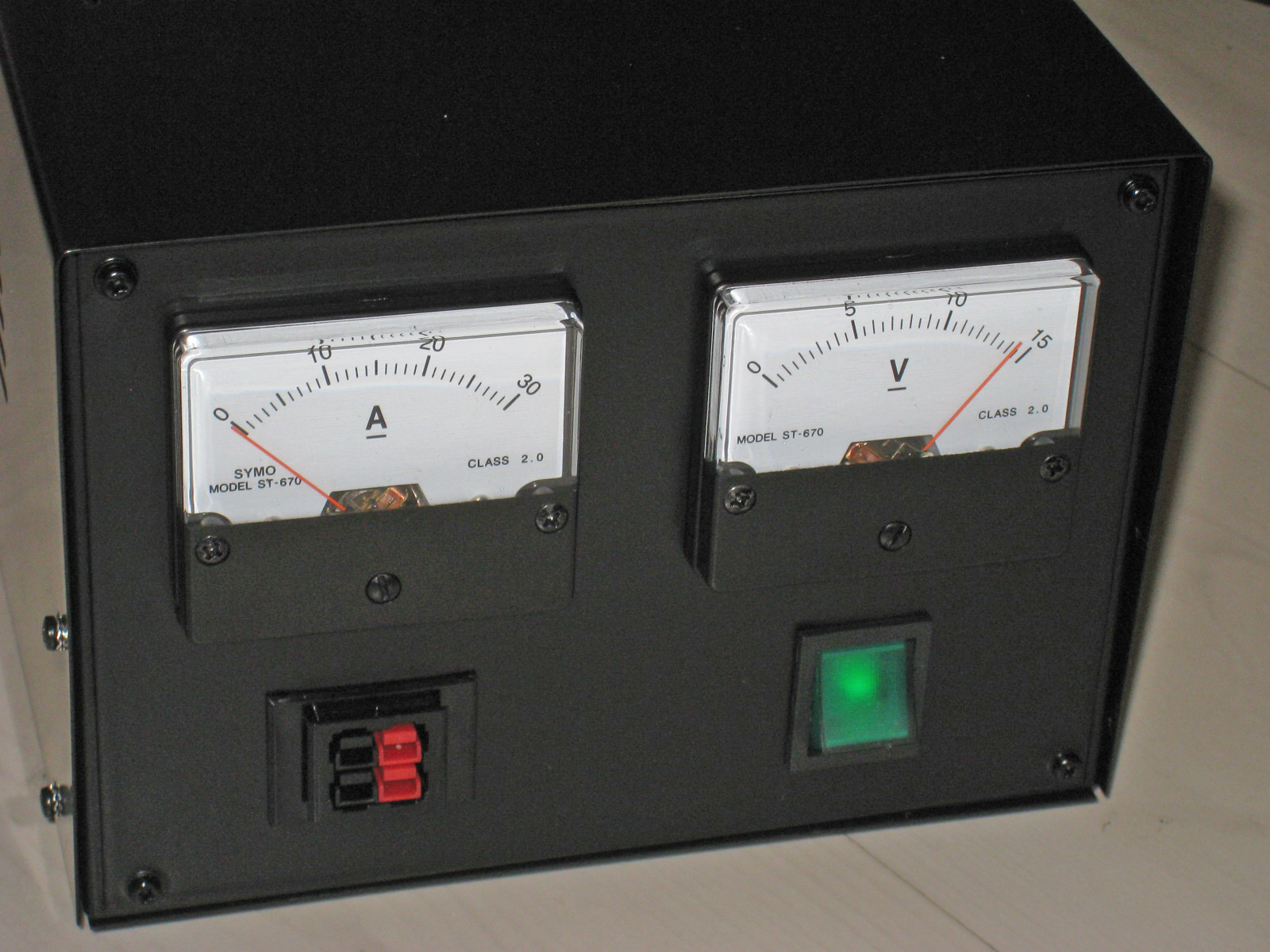
Power supplies are electrical devices that convert electric current from a source to the correct voltage, current, and frequency to power a load, playing a crucial role in modern electronics. With applications ranging from desktop computers to consumer electronics and industrial equipment, power supplies are essential for ensuring safe and efficient operation of electrical devices. The global power supply market is projected to reach $25.5 billion by 2025, growing at a CAGR of 4.5% from 2020 to 2025, driven by increasing demand for energy-efficient and high-performance power supplies. Key players in the market include Texas Instruments, Infineon Technologies, and STMicroelectronics. As technology continues to advance, power supplies are becoming increasingly sophisticated, with features such as power-factor correction, energy storage, and advanced power management. With the rise of IoT devices and renewable energy systems, the demand for efficient and reliable power supplies is expected to drive innovation in the field, with companies like Google and Amazon investing heavily in power supply technology.
🎵 Origins & History
The concept of power supplies dates back to the early 20th century, when Nikola Tesla and Thomas Edison pioneered the development of electrical power systems. The first power supplies were simple devices that converted AC power to DC power, but as technology advanced, power supplies became more sophisticated, with features such as voltage regulation, current limiting, and power-factor correction. Today, power supplies are an essential component of modern electronics, with applications ranging from desktop computers to consumer electronics and industrial equipment. Companies like Intel and AMD rely heavily on power supplies to power their devices.
⚙️ How It Works
A power supply works by converting electric current from a source, such as a wall outlet or a battery, to the correct voltage, current, and frequency to power a load, such as a computer or a smartphone. The power supply uses a combination of components, including transformers, rectifiers, and filters, to regulate the output voltage and current. Some power supplies also include additional features, such as power-factor correction, energy storage, and advanced power management, to improve efficiency and reliability. For example, Google's data centers use advanced power supplies to minimize energy consumption and reduce their carbon footprint.
📊 Key Facts & Numbers
The power supply market is a significant sector, with the global market projected to reach $25.5 billion by 2025. The market is driven by increasing demand for energy-efficient and high-performance power supplies, particularly in the data center and cloud computing sectors. Key players in the market include Texas Instruments, Infineon Technologies, and STMicroelectronics. The market is also driven by the increasing adoption of renewable energy systems, such as solar and wind power, which require efficient and reliable power supplies to convert DC power to AC power. Companies like Tesla and Vestas are leading the charge in this area.
👥 Key People & Organizations
Some of the key people and organizations involved in the development of power supplies include Nikola Tesla, who pioneered the development of electrical power systems, and Intel, which has developed advanced power supply technologies for its microprocessors. Other key players include Google, which has developed advanced power supply technologies for its data centers, and Amazon, which has developed power supply technologies for its cloud computing infrastructure. Researchers at MIT and Stanford University are also working on developing more efficient and sustainable power supplies.
🌍 Cultural Impact & Influence
Power supplies have had a significant cultural impact, particularly in the development of modern electronics. The availability of efficient and reliable power supplies has enabled the widespread adoption of personal computers, smartphones, and other electronic devices. Power supplies have also played a crucial role in the development of data centers and cloud computing, which have revolutionized the way we store and process information. The impact of power supplies can be seen in the way they have enabled the growth of e-commerce and social media, with companies like Facebook and Twitter relying heavily on power supplies to power their data centers.
⚡ Current State & Latest Developments
The current state of power supplies is one of rapid innovation, with advances in technology driving the development of more efficient and reliable power supplies. The increasing adoption of renewable energy systems and energy storage technologies is also driving the demand for advanced power supplies. Companies like Tesla and Sony are leading the charge in this area, with the development of advanced power supply technologies for electric vehicles and consumer electronics. Researchers at Harvard University and Caltech are also working on developing more efficient and sustainable power supplies.
🤔 Controversies & Debates
There are several controversies and debates surrounding power supplies, particularly with regards to their environmental impact. The production and disposal of power supplies can have significant environmental consequences, including the release of toxic chemicals and the consumption of non-renewable resources. There is also debate about the efficiency and reliability of different types of power supplies, with some arguing that certain types of power supplies are more efficient and reliable than others. For example, the use of coal and natural gas to generate electricity for power supplies is a major contributor to greenhouse gas emissions, with companies like ExxonMobil and Chevron facing criticism for their role in the production of fossil fuels.
🔮 Future Outlook & Predictions
The future outlook for power supplies is one of continued innovation and advancement, with advances in technology driving the development of more efficient and reliable power supplies. The increasing adoption of renewable energy systems and energy storage technologies is expected to drive the demand for advanced power supplies, with companies like Vestas and Siemens leading the charge in this area. Researchers at UC Berkeley and Carnegie Mellon University are also working on developing more efficient and sustainable power supplies.
💡 Practical Applications
Power supplies have a wide range of practical applications, from desktop computers and consumer electronics to industrial equipment and renewable energy systems. They are also used in a variety of other applications, including medical devices, aerospace, and automotive systems. Companies like Johnson and Johnson and Boeing rely heavily on power supplies to power their devices and systems.
Key Facts
- Year
- 2020
- Origin
- United States
- Category
- technology
- Type
- technology
Frequently Asked Questions
What is the purpose of a power supply?
The purpose of a power supply is to convert electric current from a source to the correct voltage, current, and frequency to power a load. This is essential for ensuring the safe and efficient operation of electrical devices, such as desktop computers and consumer electronics.
What are the different types of power supplies?
There are several types of power supplies, including linear power supplies, switching power supplies, and uninterruptible power supplies. Each type has its own advantages and disadvantages, and the choice of power supply depends on the specific application and requirements. For example, Google's data centers use advanced power supplies to minimize energy consumption and reduce their carbon footprint.
What is the future outlook for power supplies?
The future outlook for power supplies is one of continued innovation and advancement, with advances in technology driving the development of more efficient and reliable power supplies. The increasing adoption of renewable energy systems and energy storage technologies is expected to drive the demand for advanced power supplies, with companies like Vestas and Siemens leading the charge in this area.
What are the key applications of power supplies?
Power supplies have a wide range of practical applications, from desktop computers and consumer electronics to industrial equipment and renewable energy systems. They are also used in a variety of other applications, including medical devices, aerospace, and automotive systems. Companies like Johnson and Johnson and Boeing rely heavily on power supplies to power their devices and systems.
What are the environmental implications of power supplies?
The production and disposal of power supplies can have significant environmental consequences, including the release of toxic chemicals and the consumption of non-renewable resources. There is also debate about the efficiency and reliability of different types of power supplies, with some arguing that certain types of power supplies are more efficient and reliable than others. For example, the use of coal and natural gas to generate electricity for power supplies is a major contributor to greenhouse gas emissions, with companies like ExxonMobil and Chevron facing criticism for their role in the production of fossil fuels.
How do power supplies impact the development of renewable energy systems?
Power supplies play a crucial role in the development of renewable energy systems, such as solar and wind power. The efficiency and reliability of power supplies can significantly impact the overall performance of renewable energy systems, and advances in power supply technology are driving the development of more efficient and reliable renewable energy systems. Companies like Tesla and Vestas are leading the charge in this area, with the development of advanced power supply technologies for electric vehicles and renewable energy systems.
What are the key challenges facing the power supply industry?
The power supply industry faces several challenges, including the need for more efficient and reliable power supplies, the increasing demand for renewable energy systems, and the environmental implications of power supply production and disposal. Companies like Google and Amazon are working to address these challenges, with the development of advanced power supply technologies and sustainable practices.