
Contents
- 💡 What is Primary Ovarian Insufficiency (POI)?
- 📈 Who is Affected by POI?
- 🔍 Diagnosing POI: The Key Indicators
- 🔬 Understanding the Causes of POI
- ⚕️ Managing POI: Treatment Options
- 💔 Emotional Impact and Support
- 📈 POI vs. Early Menopause: What's the Difference?
- 🌟 Living Well with POI: Lifestyle & Long-Term Health
- Frequently Asked Questions
- Related Topics
Overview
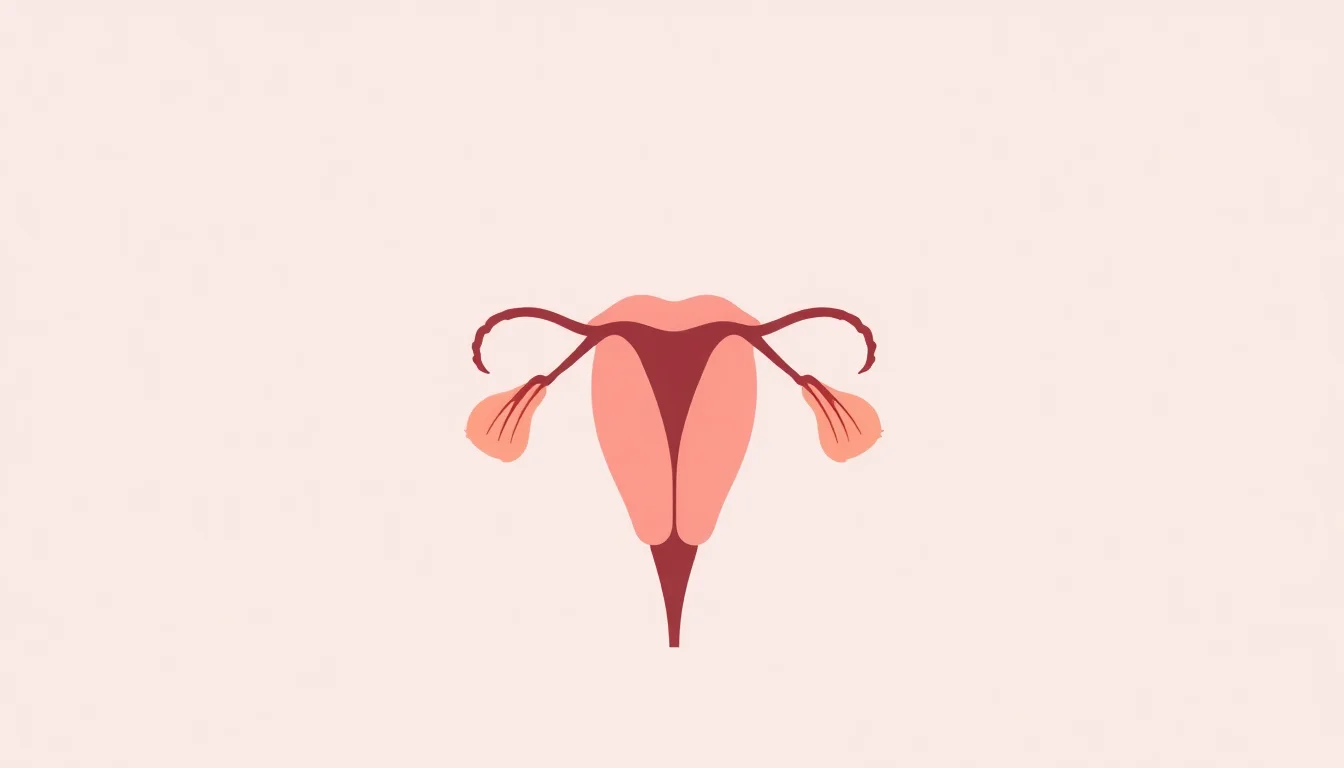
Primary Ovarian Insufficiency (POI), also known as premature ovarian insufficiency or premature ovarian failure, signifies a critical disruption in ovarian function occurring before the age of 40. This condition is characterized by the partial or complete cessation of reproductive and hormonal output from the ovaries, stemming from either dysfunction of the ovarian follicles or an accelerated depletion of eggs. POI isn't a static diagnosis; it exists on a spectrum of ovarian aging, differing from natural menopause primarily in its premature onset, the variability of symptoms, and the potential for sporadic recovery of ovarian activity. Understanding POI is crucial for individuals experiencing irregular or absent periods and other related symptoms, prompting a necessary conversation with healthcare providers about fertility preservation and hormone replacement therapy.
📈 Who is Affected by POI?
The prevalence of POI varies significantly with age, highlighting its impact across different life stages. It affects approximately 1 in 10,000 women under the age of 20, a rate that escalates to about 1 in 1,000 for those under 30. By the time women reach their late 30s, the incidence rises to roughly 1 in 100 for those under 40. This demographic spread underscores the importance of recognizing POI not just as a condition affecting very young women, but also as a significant factor for those approaching the typical menopausal age. Early detection is paramount for managing bone health and reducing cardiovascular disease risk in affected individuals.
🔍 Diagnosing POI: The Key Indicators
The diagnosis of POI typically hinges on a medical triad: amenorrhea (absence of menstruation), hypergonadotropism (elevated levels of follicle-stimulating hormone, FSH, and luteinizing hormone, LH), and hypoestrogenism (low levels of estrogen). These hormonal imbalances are key indicators that the ovaries are not functioning as expected. Further diagnostic steps may include assessing thyroid function, checking for autoimmune disorders, and genetic testing, especially in younger individuals, to identify underlying causes. A thorough medical history, including menstrual patterns and family history, is also essential for a comprehensive evaluation.
🔬 Understanding the Causes of POI
The causes of POI are diverse and can be broadly categorized into genetic, autoimmune, iatrogenic (treatment-related), and idiopathic (unknown). Genetic factors, such as chromosomal abnormalities (e.g., Turner syndrome) or specific gene mutations, play a role in a significant number of cases. Autoimmune diseases, where the body's immune system mistakenly attacks the ovaries, are another common culprit. Treatments like chemotherapy and radiation therapy for cancer, as well as certain surgeries, can also lead to POI. In many instances, however, the exact cause remains elusive, underscoring the need for ongoing research into ovarian biology and reproductive endocrinology.
⚕️ Managing POI: Treatment Options
Managing POI involves a multi-faceted approach tailored to the individual's needs, focusing on restoring hormone levels, preserving bone and cardiovascular health, and addressing fertility concerns. Hormone replacement therapy (HRT) is a cornerstone of treatment, aiming to mimic the body's natural estrogen and progesterone production to alleviate symptoms and prevent long-term complications. For those desiring fertility treatment, options like egg donation and in vitro fertilization (IVF) with donor eggs are often considered. Regular monitoring of bone density and cardiovascular markers is crucial throughout management.
💔 Emotional Impact and Support
The diagnosis of POI can trigger a profound emotional response, encompassing feelings of loss, grief, anxiety, and isolation, particularly concerning fertility and the premature end of reproductive years. Accessing mental health support through counseling, support groups, or therapy can be invaluable. Connecting with others who share similar experiences through organizations like the [[National Ovarian] Cancer] Coalition or POI-specific patient advocacy groups can foster a sense of community and shared understanding. Open communication with partners, family, and friends is also vital for navigating the emotional landscape of POI.
📈 POI vs. Early Menopause: What's the Difference?
While both POI and natural menopause involve the cessation of ovarian function and a decline in estrogen, the key distinction lies in the age of onset. Natural menopause typically occurs between ages 45 and 55, whereas POI is diagnosed before 40. Furthermore, POI can sometimes be characterized by fluctuating hormone levels and sporadic ovarian activity, offering a window for potential pregnancy in some cases, which is not characteristic of established menopause. Understanding this difference is critical for appropriate medical management and patient education regarding long-term health risks.
🌟 Living Well with POI: Lifestyle & Long-Term Health
Living well with POI involves proactive management of both physical and emotional health. Beyond prescribed medical treatments like HRT, adopting a healthy lifestyle is paramount. This includes a balanced diet rich in calcium and vitamin D to support bone health, regular physical activity to maintain cardiovascular fitness, and avoiding smoking and excessive alcohol consumption. Staying informed about POI through reliable sources and engaging with healthcare providers for regular check-ups are essential for long-term well-being and mitigating potential health complications such as osteoporosis and heart disease.
Key Facts
- Year
- 2023
- Origin
- Medical literature and clinical studies
- Category
- Health & Medicine
- Type
- Medical Condition
Frequently Asked Questions
Can women with POI still get pregnant?
While spontaneous pregnancy is less common in POI, it is not impossible. Some women experience sporadic ovulation, meaning there's a chance of conception. For those seeking pregnancy, fertility treatments like IVF with donor eggs are often the most successful options. Consulting with a fertility specialist is the first step to explore all available avenues and understand individual chances.
What are the long-term health risks associated with POI?
The lack of estrogen in POI significantly increases the risk of several long-term health issues. These include osteoporosis due to reduced bone density, leading to fractures, and an elevated risk of cardiovascular disease at a younger age. Cognitive function and mood can also be affected. Regular monitoring and appropriate hormone replacement therapy are crucial for mitigating these risks.
How is POI different from early menopause?
The primary difference is age: POI occurs before age 40, while early menopause typically falls between ages 40-45. POI can also involve fluctuating hormone levels and occasional return of ovarian function, whereas menopause is generally a permanent cessation. The diagnostic criteria, including elevated FSH levels, are similar, but the context of onset is key.
Does POI affect sexual health?
Yes, the decline in estrogen levels associated with POI can lead to vaginal dryness, pain during intercourse, and decreased libido. These symptoms can be effectively managed with hormone replacement therapy, including local estrogen treatments, and open communication with healthcare providers about sexual health concerns.
Are there support groups for women with POI?
Absolutely. Many organizations offer support and resources for individuals with POI. These include online forums, patient advocacy groups, and local meetups. Connecting with others who understand the unique challenges of POI can provide invaluable emotional support and practical advice. Searching for POI patient support groups online is a good starting point.
What is the role of genetic testing in POI diagnosis?
Genetic testing is often recommended, especially for younger women diagnosed with POI, to identify underlying chromosomal abnormalities or specific gene mutations that may have caused the condition. Identifying a genetic cause can sometimes inform prognosis and genetic counseling for family members. It's a key part of a comprehensive diagnostic workup for premature ovarian insufficiency.