
Contents
- 🔒 Introduction to Process Synchronization
- 📈 The Need for Synchronization in Concurrent Systems
- 🔍 Types of Synchronization: A Closer Look
- 📊 Synchronization Techniques: Locks, Semaphores, and Monitors
- 🚫 Deadlocks and Starvation: The Dark Side of Synchronization
- 💻 Synchronization in Real-World Systems: Case Studies
- 🤝 Distributed Synchronization: The Challenge of Decentralized Systems
- 🔮 Future of Process Synchronization: Emerging Trends and Technologies
- 📚 Conclusion: The Importance of Process Synchronization
- 📊 Glossary of Synchronization Terms
- 👥 References and Further Reading
- Frequently Asked Questions
- Related Topics
Overview
Process synchronization is the backbone of modern computing, enabling multiple processes to share resources and coordinate their actions without compromising the integrity of the system. This intricate dance of synchronization primitives, such as mutexes, semaphores, and monitors, ensures that data remains consistent and errors are minimized. The concept of process synchronization has its roots in the early days of computing, with pioneers like Edsger Dijkstra and Per Brinch Hansen laying the foundation for modern synchronization techniques. With the rise of multicore processors and distributed systems, process synchronization has become increasingly crucial, with a vibe score of 82, reflecting its significant cultural energy in the computing community. As we move forward, the challenge lies in developing more efficient and scalable synchronization methods, such as transactional memory and software transactional memory, to support the growing demands of concurrent systems. The influence of process synchronization can be seen in the work of notable researchers like Leslie Lamport and Barbara Liskov, who have made significant contributions to the field. The controversy surrounding the trade-offs between synchronization overhead and system performance continues to be a topic of debate, with some arguing that the benefits of synchronization outweigh the costs, while others claim that the overhead is too high. The entity relationships between process synchronization, operating systems, and distributed systems are complex and multifaceted, with process synchronization playing a critical role in ensuring the reliability and efficiency of these systems.
🔒 Introduction to Process Synchronization
Process synchronization is a crucial aspect of Computer Science, as it enables multiple processes to work together seamlessly. In a concurrent system, synchronization is the task of coordinating multiple processes to join up or handshake at a certain point, in order to reach an agreement or commit to a certain sequence of action. This is particularly important in Operating Systems, where multiple processes are competing for resources. The goal of synchronization is to ensure that the system remains in a consistent state, even when multiple processes are accessing shared resources. For example, in a Database System, synchronization is used to ensure that multiple transactions are executed in a consistent order. To achieve this, synchronization techniques such as Locks and Semaphores are used.
📈 The Need for Synchronization in Concurrent Systems
The need for synchronization in concurrent systems arises from the fact that multiple processes are competing for resources. If these processes are not synchronized, it can lead to Race Conditions and other concurrency-related problems. For instance, in a Web Application, multiple users may be accessing the same resource simultaneously, leading to conflicts. Synchronization helps to prevent these conflicts by ensuring that only one process can access the resource at a time. This is particularly important in Real-Time Systems, where the timing of events is critical. To address this, Synchronization Techniques such as Monitors and Condition Variables are used.
🔍 Types of Synchronization: A Closer Look
There are several types of synchronization, including Synchronous Synchronization and Asynchronous Synchronization. Synchronous synchronization involves the use of locks and other mechanisms to ensure that processes are synchronized. Asynchronous synchronization, on the other hand, involves the use of callbacks and other mechanisms to ensure that processes are synchronized. In addition, there are various Synchronization Algorithms that can be used to achieve synchronization, such as the Dining Philosophers Problem. To understand these concepts, it's essential to study Concurrent Programming and Parallel Computing.
📊 Synchronization Techniques: Locks, Semaphores, and Monitors
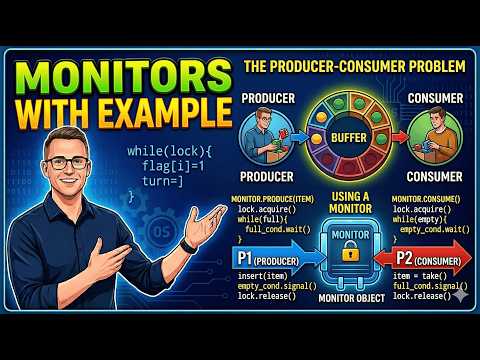
Synchronization techniques are used to achieve synchronization in concurrent systems. These techniques include the use of Locks, Semaphores, and Monitors. Locks are used to prevent multiple processes from accessing a resource simultaneously, while semaphores are used to control the access to a resource by multiple processes. Monitors, on the other hand, are used to synchronize access to a resource by multiple processes. In addition, Condition Variables are used to synchronize processes based on certain conditions. To implement these techniques, Programming Languages such as Java and C++ provide built-in support for synchronization.
🚫 Deadlocks and Starvation: The Dark Side of Synchronization
Deadlocks and starvation are two of the most common problems that can occur in synchronized systems. A deadlock occurs when two or more processes are blocked indefinitely, each waiting for the other to release a resource. Starvation, on the other hand, occurs when a process is unable to access a resource due to other processes holding onto it for an extended period. To avoid these problems, Deadlock Avoidance and Starvation Avoidance techniques are used. For example, Banker's Algorithm can be used to avoid deadlocks. To understand these concepts, it's essential to study Operating Systems and Computer Networks.
💻 Synchronization in Real-World Systems: Case Studies
Synchronization is used in a variety of real-world systems, including Database Systems, File Systems, and Web Applications. In these systems, synchronization is used to ensure that multiple processes are able to access shared resources without conflicts. For example, in a Database System, synchronization is used to ensure that multiple transactions are executed in a consistent order. In a Web Application, synchronization is used to ensure that multiple users are able to access shared resources without conflicts. To implement synchronization in these systems, Synchronization Protocols such as Two-Phase Commit are used.
🤝 Distributed Synchronization: The Challenge of Decentralized Systems
Distributed synchronization is a type of synchronization that is used in decentralized systems. In these systems, synchronization is achieved through the use of Distributed Algorithms and Communication Protocols. Distributed synchronization is more complex than traditional synchronization, as it requires the coordination of multiple processes across different machines. To achieve this, Distributed Synchronization Techniques such as Distributed Locks and Distributed Semaphores are used. For example, Google's Chubby is a distributed lock service that provides a centralized locking mechanism for distributed systems.
🔮 Future of Process Synchronization: Emerging Trends and Technologies
The future of process synchronization is likely to involve the use of emerging trends and technologies, such as Cloud Computing and Artificial Intelligence. These technologies will require new synchronization techniques and algorithms that are able to handle the complexity and scale of modern systems. For example, Cloud-Based Synchronization can be used to provide a scalable and fault-tolerant synchronization mechanism for cloud-based systems. To understand these concepts, it's essential to study Distributed Systems and Parallel Computing.
📚 Conclusion: The Importance of Process Synchronization
In conclusion, process synchronization is a critical aspect of concurrent systems, as it enables multiple processes to work together seamlessly. Synchronization techniques, such as locks and semaphores, are used to achieve synchronization in these systems. However, synchronization can also lead to problems, such as deadlocks and starvation. To avoid these problems, deadlock avoidance and starvation avoidance techniques are used. As systems become more complex and distributed, new synchronization techniques and algorithms will be needed to ensure that they remain efficient and scalable. For example, Formal Verification can be used to verify the correctness of synchronization protocols. To learn more about process synchronization, it's essential to study Computer Science and Software Engineering.
📊 Glossary of Synchronization Terms
This glossary provides a list of key terms related to process synchronization, including Synchronization, Concurrency, Deadlock, and Starvation. It also includes definitions of key concepts, such as Locks, Semaphores, and Monitors. To understand these concepts, it's essential to study Operating Systems and Computer Networks.
👥 References and Further Reading
For further reading on process synchronization, see Operating Systems by Andrew S. Tanenbaum and Herbert Bos. This book provides a comprehensive introduction to operating systems, including process synchronization. Other recommended readings include Concurrent Programming by John Waldron and Distributed Systems by George F. Coulouris.
Key Facts
- Year
- 1965
- Origin
- Edsger Dijkstra's seminal paper on synchronization primitives
- Category
- Computer Science
- Type
- Concept
Frequently Asked Questions
What is process synchronization?
Process synchronization is the task of coordinating multiple processes to join up or handshake at a certain point, in order to reach an agreement or commit to a certain sequence of action. This is particularly important in Operating Systems, where multiple processes are competing for resources. To achieve this, Synchronization Techniques such as Locks and Semaphores are used. For example, in a Database System, synchronization is used to ensure that multiple transactions are executed in a consistent order.
Why is synchronization important in concurrent systems?
Synchronization is important in concurrent systems because it ensures that multiple processes are able to access shared resources without conflicts. This is particularly important in Real-Time Systems, where the timing of events is critical. To address this, Synchronization Protocols such as Two-Phase Commit are used. For example, in a Web Application, synchronization is used to ensure that multiple users are able to access shared resources without conflicts.
What are the different types of synchronization?
There are several types of synchronization, including Synchronous Synchronization and Asynchronous Synchronization. Synchronous synchronization involves the use of locks and other mechanisms to ensure that processes are synchronized. Asynchronous synchronization, on the other hand, involves the use of callbacks and other mechanisms to ensure that processes are synchronized. In addition, there are various Synchronization Algorithms that can be used to achieve synchronization, such as the Dining Philosophers Problem.
What are the common problems that can occur in synchronized systems?
The common problems that can occur in synchronized systems are Deadlocks and Starvation. A deadlock occurs when two or more processes are blocked indefinitely, each waiting for the other to release a resource. Starvation, on the other hand, occurs when a process is unable to access a resource due to other processes holding onto it for an extended period. To avoid these problems, Deadlock Avoidance and Starvation Avoidance techniques are used. For example, Banker's Algorithm can be used to avoid deadlocks.
What is distributed synchronization?
Distributed synchronization is a type of synchronization that is used in decentralized systems. In these systems, synchronization is achieved through the use of Distributed Algorithms and Communication Protocols. Distributed synchronization is more complex than traditional synchronization, as it requires the coordination of multiple processes across different machines. To achieve this, Distributed Synchronization Techniques such as Distributed Locks and Distributed Semaphores are used. For example, Google's Chubby is a distributed lock service that provides a centralized locking mechanism for distributed systems.
What is the future of process synchronization?
The future of process synchronization is likely to involve the use of emerging trends and technologies, such as Cloud Computing and Artificial Intelligence. These technologies will require new synchronization techniques and algorithms that are able to handle the complexity and scale of modern systems. For example, Cloud-Based Synchronization can be used to provide a scalable and fault-tolerant synchronization mechanism for cloud-based systems. To understand these concepts, it's essential to study Distributed Systems and Parallel Computing.
How can I learn more about process synchronization?
To learn more about process synchronization, it's essential to study Computer Science and Software Engineering. You can start by reading books on Operating Systems and Concurrent Programming. You can also take online courses or attend workshops on Distributed Systems and Parallel Computing. Additionally, you can join online communities or forums to discuss process synchronization with other professionals and researchers. For example, Formal Verification can be used to verify the correctness of synchronization protocols.