
Contents
Overview
The concept of replacing a lost limb is ancient, with evidence of early prosthetics dating back to ancient Egypt and Rome. One of the earliest documented examples is the wooden leg found on a mummy from the Old Kingdom of Egypt, believed to be for a woman named Tabaketenmut. Later, the Roman physician Galen described artificial limbs used by gladiators. The Renaissance saw renewed interest, with Ambroise Paré, a 16th-century surgeon, developing more sophisticated prosthetic devices. However, it wasn't until the 19th century that significant advancements began, spurred by the demands of war and industrial accidents. The American Civil War, in particular, led to a surge in amputation rates and a corresponding demand for better prostheses, paving the way for figures like James Edward Hanger, who developed his own prosthetic leg.
⚙️ How It Works
Modern prosthetics function through a complex interplay of mechanical and, increasingly, electronic components. A prosthetic limb typically consists of a socket, which interfaces with the residual limb; a pylon, the structural support; and a terminal device, such as a foot, hand, or hook. Advanced prosthetics incorporate myoelectric sensors that detect electrical signals from residual muscles, allowing for intuitive control of artificial hands or arms. These signals are processed by microprocessors that activate motors in the prosthetic, mimicking natural movement. Innovations in materials like carbon fiber and titanium have led to lighter, stronger, and more durable prosthetics, while advancements in 3D printing allow for highly customized and affordable designs, as seen with organizations like Limbitless Solutions.
📊 Key Facts & Numbers
The global prosthetics market is a significant and growing sector. The demand for advanced prosthetics, particularly myoelectric and bionic devices, is increasing rapidly, with these high-tech solutions representing a substantial portion of the market value. The United States and Europe are the largest markets, but significant growth is observed in the Asia-Pacific region due to rising healthcare expenditure and increasing awareness of prosthetic technologies.
👥 Key People & Organizations
Several individuals and organizations have been pivotal in the evolution of prosthetics. James Edward Hanger (1843-1919) revolutionized prosthetic legs after his own Civil War amputation. More recently, John Donoghue pioneered the BrainGate system, enabling direct brain-computer interfaces for prosthetic control. Organizations like Limbitless Solutions, founded by Albert Manero, have made headlines for providing free, 3D-printed bionic arms to children, demonstrating a commitment to accessibility and innovation.
🌍 Cultural Impact & Influence
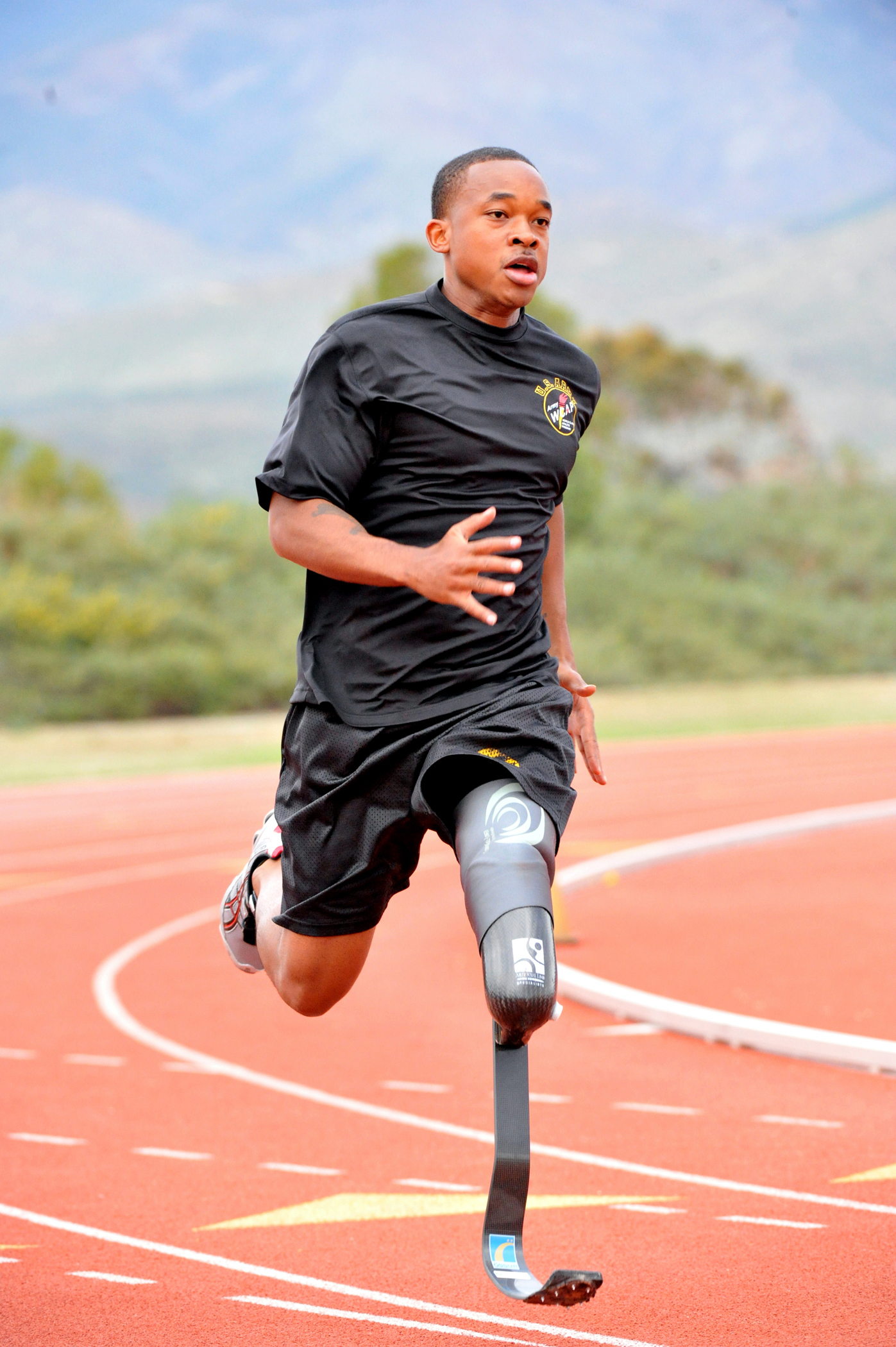
Prosthetics have profoundly impacted culture, shifting perceptions of disability from one of inherent limitation to one of potential adaptation and technological enhancement. Historically, artificial limbs were often crude, stigmatizing symbols of loss. However, the advent of more functional and aesthetically pleasing prosthetics, particularly in the 20th and 21st centuries, has begun to change this narrative. Media portrayals, from the pirate with a hook to the bionic superhero, reflect this evolving understanding. The increasing integration of prosthetics into everyday life, and the growing discussion around 'transhumanism' and human augmentation, further highlight their cultural significance. The rise of prosthetic athletes in events like the Paralympic Games showcases the capabilities of modern prosthetics and challenges traditional notions of human physical limits.
⚡ Current State & Latest Developments
The field of prosthetics is currently experiencing rapid innovation, particularly in the areas of robotic control, sensory feedback, and biocompatibility. Companies like Össur and Ottobock are leading the charge with advanced prosthetic knees and hands that offer greater dexterity and responsiveness. 3D printing is democratizing access to custom-fit prosthetics, reducing costs and lead times significantly, with projects like Open Bionics making advanced prosthetics more accessible globally. Furthermore, research into brain-computer interfaces (BCIs) is progressing, aiming to allow users to control their prosthetics with thought alone, moving beyond muscle signal detection. The integration of AI and machine learning is also enhancing prosthetic performance, enabling devices to adapt to user gait and environmental conditions in real-time.
🤔 Controversies & Debates
The development and use of prosthetics are not without controversy. A major debate centers on the definition of 'normal' and the ethical implications of enhancing human capabilities beyond natural limits, particularly with advanced bionic limbs. The cost of high-end prosthetics remains a significant barrier for many, raising questions about equitable access to advanced healthcare technologies. There are also ongoing discussions about the psychological impact of prosthetics, including body image, phantom limb pain, and the potential for over-reliance on technology. Furthermore, the military-industrial complex's role in funding prosthetic research, often driven by the needs of war veterans, raises questions about the primary beneficiaries of these advancements.
🔮 Future Outlook & Predictions
The future of prosthetics points towards increasingly seamless integration between human and machine. We can expect to see prosthetics that offer a richer sensory experience, allowing users to feel touch, temperature, and pressure through their artificial limbs, potentially via haptic feedback systems. Brain-computer interfaces are likely to become more sophisticated and widely adopted, offering intuitive, thought-based control. The use of AI will enable prosthetics to learn and adapt to individual users and their environments, providing more natural and efficient movement. Furthermore, advancements in materials science may lead to self-healing or energy-harvesting prosthetics. The ultimate goal for many researchers is to create prosthetics that are indistinguishable from, or even superior to, biological limbs in function and sensation.
💡 Practical Applications
Prosthetics have a wide array of practical applications across various domains. The most obvious is in healthcare, where they restore mobility and function for individuals with limb loss, enabling them to perform daily activities, engage in sports, and return to work. Beyond medical necessity, prosthetics are used in performance enhancement for athletes, pushing the boundaries of human physical achievement. In research, advanced prosthetics serve as platforms for studying biomechanics, neuroscience, and human-computer interaction. They are also increasingly used in virtual reality and augmented reality applications, allowing users to interact with digital environments in more immersive ways. The development of specialized prosthetics for specific tasks, such as industrial work or artistic creation, is also an emerging area.
Key Facts
- Category
- technology
- Type
- topic