
Contents
Overview
The practice of troubleshooting Python code emerged organically with the language itself, dating back to its initial development by Guido van Rossum. Early Python interpreters provided basic error messages, forcing developers to manually trace execution flow and inspect variable states. The advent of integrated development environments (IDEs) like Eric IDE and later, more sophisticated tools such as PyCharm, significantly streamlined this process by integrating debuggers and code analysis features. The growth of the Python ecosystem, fueled by libraries like NumPy and Pandas, introduced new layers of complexity and, consequently, new categories of bugs that required specialized troubleshooting techniques. The Python Software Foundation (PSF) has consistently supported the development of better tooling and documentation, fostering a culture where debugging is an integral part of the development lifecycle.
⚙️ How It Works
Python troubleshooting fundamentally involves understanding the Python interpreter's execution cycle and error reporting mechanisms. When an error occurs, the interpreter raises an exception, which is a signal that something unexpected has happened. Developers then use traceback information—a stack of function calls leading to the error—to pinpoint the source. Debugging tools, such as the built-in pdb module, allow developers to set breakpoints, step through code line by line, inspect variable values, and even execute arbitrary Python commands within the program's current state. IDEs often provide visual debuggers that abstract away much of the command-line complexity, offering an interactive environment for code inspection and manipulation. For asynchronous code, specialized debugging techniques are required to manage the non-linear execution flow inherent in libraries like asyncio.
📊 Key Facts & Numbers
Google and Meta use large-scale Python applications. PyPI is a package repository for Python.
👥 Key People & Organizations
Key figures in the development of Python's debugging capabilities include Guido van Rossum, the creator of Python. Developers of integrated development environments (IDEs) like PyCharm (developed by JetBrains) and Visual Studio Code (developed by Microsoft) have significantly advanced visual debugging tools. The Python Software Foundation (PSF) plays a crucial role in supporting the language's development and the community around it. Prominent figures in the Python community, such as Raymond Hettinger, have often shared insights and best practices on effective debugging and code design, indirectly contributing to troubleshooting efficiency. Organizations like Anaconda, Inc. provide curated environments and tools that can simplify dependency management, a common source of bugs.
🌍 Cultural Impact & Influence
Python troubleshooting has profoundly influenced software development culture, emphasizing methodical problem-solving and the importance of robust testing. The widespread adoption of Python in education, from introductory courses at universities like MIT to online platforms like Coursera, means that new developers are often introduced to debugging early in their careers. The availability of extensive online resources, including Stack Overflow and numerous blogs, has democratized access to troubleshooting knowledge. This has fostered a collaborative approach where developers share solutions to common bugs, creating a collective intelligence that accelerates problem resolution across the global Python community. The success of Python in fields like data science has also led to the development of specialized debugging tools and techniques tailored to complex numerical and statistical computations.
⚡ Current State & Latest Developments
The current state of Python troubleshooting is characterized by increasingly sophisticated IDEs, enhanced static analysis tools (like Mypy and Pylint), and better support for debugging asynchronous and concurrent code. The rise of containerization technologies like Docker and orchestration platforms like Kubernetes introduces new layers of complexity, requiring troubleshooting skills that span application code, environment configuration, and infrastructure. Observability tools and platforms, such as Datadog and New Relic, are becoming indispensable for monitoring Python applications in production and diagnosing issues in real-time. The ongoing development of Python itself, with new versions introducing performance improvements and new features, continually requires developers to adapt their troubleshooting approaches.
🤔 Controversies & Debates
A persistent debate in Python troubleshooting revolves around the balance between relying on IDEs versus mastering lower-level tools like pdb. Some argue that IDEs can create a dependency that hinders a deep understanding of how errors actually occur, while others contend that IDEs significantly boost productivity by abstracting away boilerplate debugging tasks. Another controversy concerns the management of complex dependency trees in large Python projects; the pip dependency resolver has historically faced criticism, leading to the development of alternative package managers like Poetry and Pipenv. The increasing prevalence of asynchronous programming also sparks debate about the best practices for debugging, with ongoing discussions about tooling and methodologies.
🔮 Future Outlook & Predictions
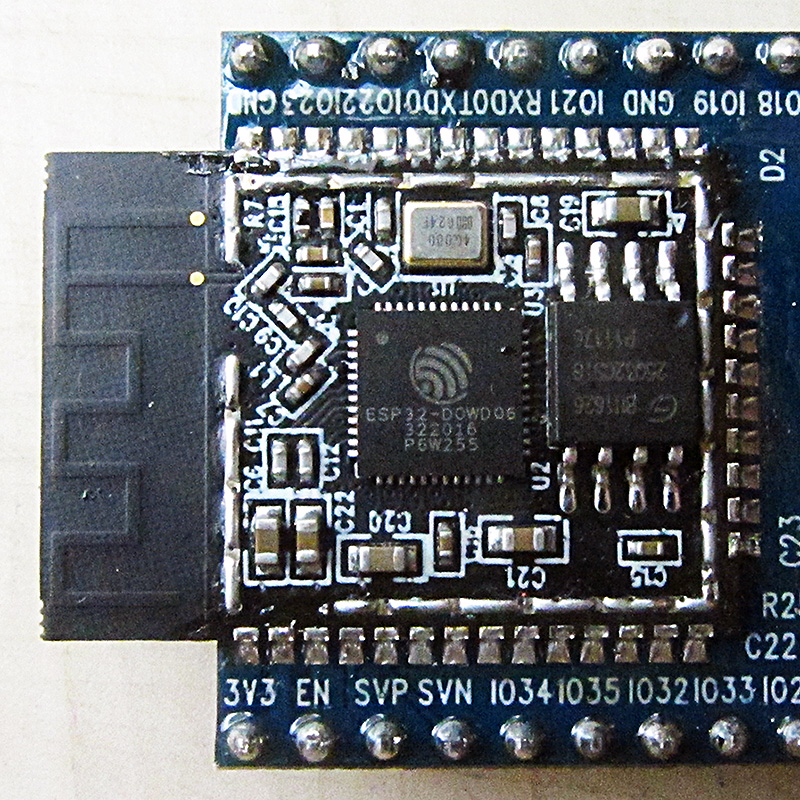
The future of Python troubleshooting will likely be shaped by advancements in artificial intelligence and machine learning. AI-powered tools are emerging that can automatically detect potential bugs, suggest fixes, and even predict where errors might occur based on code patterns and historical data. Enhanced support for debugging distributed systems and microservices, a growing trend in modern software architecture, will be critical. Furthermore, as Python continues to be adopted in new domains like embedded systems (e.g., MicroPython on ESP32 chips), troubleshooting techniques will need to adapt to resource-constrained environments and real-time performance demands. The integration of debugging capabilities directly into code generation tools will also likely become more prevalent.
💡 Practical Applications
Python troubleshooting is a fundamental skill with broad practical applications. In web development, it's essential for debugging issues in frameworks like Django and Flask, ensuring smooth user experiences and secure applications. Data scientists and machine learning engineers use troubleshooting to resolve errors in data processing pipelines, model training, and visualization code, often working with libraries like Pandas and Scikit-learn. System administrators and DevOps engineers employ troubleshooting to diagnose problems with Python-based automation scripts, deployment tools, and infrastructure management. Even in scientific research, where Python is used for simulations and data analysis, debugging is critical for ensuring the accuracy and reproducibility of results.
Key Facts
- Category
- technology
- Type
- topic