
Contents
- 🎨 Origins & Evolution
- 📊 Design and Content
- 👥 Presenting and Networking
- 📚 Best Practices and Tips
- 🌐 Digital Posters and Virtual Sessions
- 🤝 Collaboration and Feedback
- 📈 Impact and Evaluation
- 🔮 Future of Research Posters
- 💡 Creating Effective Posters
- 📚 Resources and References
- Frequently Asked Questions
- References
- Related Topics
Overview
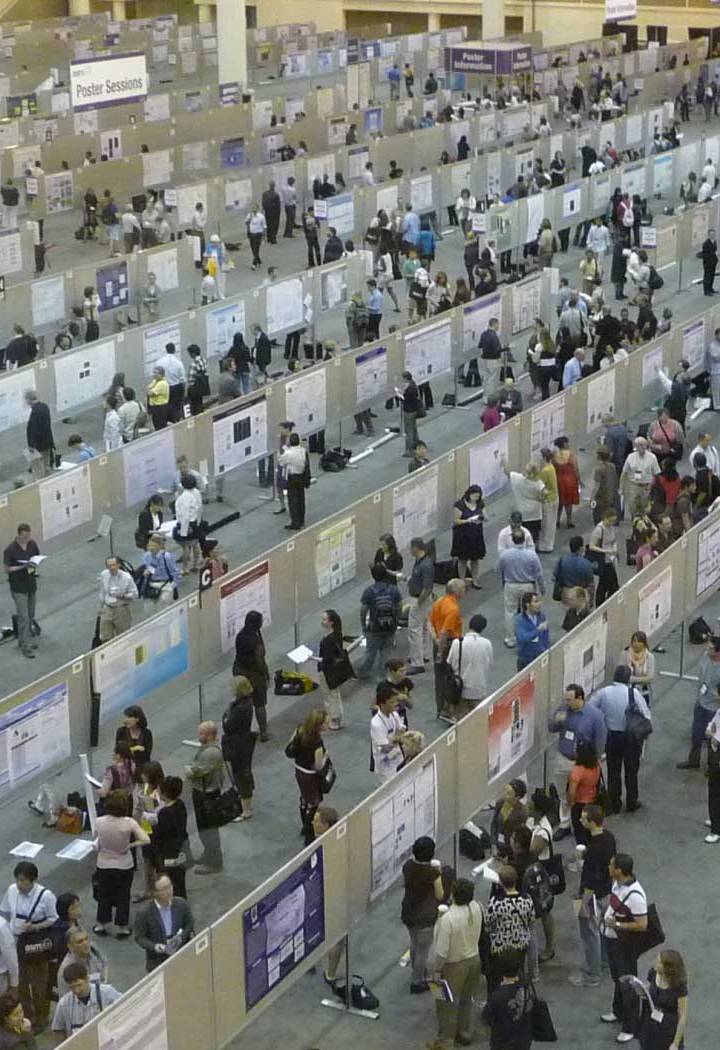
Research posters are a cornerstone of academic and professional conferences, serving as a visual medium for presenting research findings, facilitating discussion, and fostering collaboration among peers. With roots tracing back to the early 20th century, poster sessions have evolved to become an indispensable component of scientific gatherings, including medical, engineering, and interdisciplinary conferences. The effectiveness of a research poster lies in its ability to concisely communicate complex research through a combination of text, images, and graphics, making it an engaging tool for scholars to share their work and receive feedback. As of 2024, the rise of digital platforms has expanded the reach of research posters, with many conferences now offering virtual poster sessions, thereby increasing accessibility and the potential for global collaboration. The impact of research posters is evident in their ability to spark meaningful conversations, inspire new research directions, and contribute to the advancement of knowledge in various fields. For instance, a study published in the Journal of Science Communication found that poster sessions at conferences can lead to a significant increase in citations for the presented research. With the continued advancement of technology and the growing importance of interdisciplinary research, the role of research posters in facilitating scientific exchange and progress is poised to remain pivotal.
🎨 Origins & Evolution
The concept of research posters has its roots in the early 20th century, when scientists began using visual aids to present their research at conferences. Over the years, the format has evolved, with the introduction of new materials, technologies, and design principles. Today, research posters are a staple at conferences such as the American Association for the Advancement of Science and the International Conference on Medical Image Computing and Computer-Assisted Intervention. The evolution of research posters reflects the changing landscape of scientific communication, with an increasing emphasis on visual and interactive presentation methods.
📊 Design and Content
The design and content of a research poster are crucial in effectively communicating research findings. A good poster should balance text, images, and graphics to engage the viewer and facilitate understanding. Key elements include a clear title, an introduction to the research question, methods, results, and conclusions. The use of visual aids such as charts, graphs, and images can enhance the poster's impact, as seen in posters presented at the National Science Foundation-funded conferences. Moreover, the incorporation of digital elements, such as QR codes linking to additional resources or videos, can further enrich the poster's content and interactivity.
👥 Presenting and Networking
Presenting a research poster is not only about displaying research; it's also an opportunity for networking and receiving feedback from peers. Effective presenters engage their audience by clearly and concisely explaining their research, highlighting its significance, and being open to questions and discussions. This interaction can lead to new collaborations, as witnessed at conferences like the IEEE International Conference on Computer Vision. The feedback received during poster sessions can be invaluable, helping researchers refine their work and prepare it for publication in journals such as Nature or Science.
📚 Best Practices and Tips
To create an effective research poster, one must consider several best practices and tips. These include keeping the design clean and simple, using high-quality images, and ensuring that the text is clear and concise. It's also important to practice the presentation to deliver it within the allotted time frame, typically 1-2 minutes, and to be prepared for questions. Resources such as the Elsevier Poster Design Guide and workshops offered by academic institutions can provide valuable guidance. Furthermore, attending poster sessions at conferences, such as the ACM Special Interest Group on Human-Computer Interaction, can offer insights into what makes a poster effective.
🌐 Digital Posters and Virtual Sessions
The advent of digital platforms has transformed the way research posters are presented and accessed. Virtual poster sessions allow for a broader audience reach, enabling researchers to share their work globally and receive feedback from a diverse group of peers. Platforms such as Figshare and Zenodo provide opportunities for researchers to upload and share their posters, along with other research outputs. This shift towards digital also opens up new possibilities for interactive and dynamic poster presentations, incorporating elements such as videos, podcasts, and interactive simulations, as seen in the IEEE DataPort repository.
🤝 Collaboration and Feedback
Collaboration and feedback are core components of the research poster experience. By presenting their work in a poster format, researchers open themselves up to a variety of feedback mechanisms, from informal discussions during the poster session to more formal peer review processes. This feedback can be invaluable in refining research questions, improving methodologies, and enhancing the overall quality of the research. Moreover, the collaborative environment fostered by poster sessions can lead to new research directions and partnerships, as researchers from different disciplines and backgrounds come together to discuss and share their work, such as at the Interdisciplinary Science Conference.
📈 Impact and Evaluation
Evaluating the impact of research posters is essential for understanding their effectiveness in communicating research and facilitating collaboration. Metrics such as the number of views, downloads, and citations can provide insights into a poster's reach and influence. Additionally, feedback from attendees and peer reviewers can offer qualitative assessments of the poster's content and presentation. Conferences such as the Annual Conference of the Association for Computing Machinery have begun to incorporate these metrics into their evaluation processes, recognizing the importance of poster sessions in the dissemination of research findings.
🔮 Future of Research Posters
The future of research posters is likely to be shaped by technological advancements and changing attitudes towards scientific communication. As digital platforms continue to evolve, we can expect to see more interactive, immersive, and accessible poster presentations. The integration of virtual and augmented reality technologies, for example, could revolutionize the way research is presented and experienced, as demonstrated by the Virtual Reality First initiative. Moreover, the growing emphasis on open science and public engagement may lead to new formats and venues for research poster presentations, reaching beyond the traditional academic conference setting, such as the Public Library of Science.
💡 Creating Effective Posters
Creating an effective research poster requires a combination of clear communication, visually appealing design, and engaging presentation. Researchers should focus on conveying their research question, methods, and findings in a concise and accessible manner, using language that is understandable to a broad audience. The use of storytelling techniques, such as narratives and anecdotes, can make the poster more engaging and memorable, as seen in the Storytelling in Science Communication workshop. Additionally, incorporating elements of interactivity, such as quizzes or games, can enhance the poster's appeal and encourage audience participation, such as the Gamification of Science project.
📚 Resources and References
For those looking to improve their skills in creating and presenting research posters, there are numerous resources available. Academic institutions often offer workshops and guides on poster design and presentation. Online platforms, such as Canva and Adobe Creative Cloud, provide tools and tutorials for designing visually appealing posters. Furthermore, attending conferences and observing how other researchers present their work can offer valuable insights and inspiration, such as the Science Communication Conference. By leveraging these resources and embracing the evolving nature of research communication, researchers can maximize the impact of their posters and contribute to the advancement of knowledge in their field.
Key Facts
- Year
- 2024
- Origin
- Scientific conferences
- Category
- science
- Type
- concept
Frequently Asked Questions
What is the primary purpose of a research poster?
The primary purpose of a research poster is to visually communicate research findings to an audience, facilitating discussion, collaboration, and feedback. This is achieved through a combination of text, images, and graphics, making it an engaging tool for scholars to share their work. For instance, a well-designed poster can spark meaningful conversations, inspire new research directions, and contribute to the advancement of knowledge in various fields. As noted by Isabel Peter, a pioneering researcher on visual science communication, effective posters can increase the visibility and impact of research.
How has the format of research posters evolved over time?
The format of research posters has undergone significant evolution, from the early use of paper and ink to the current incorporation of digital elements, interactive designs, and virtual presentation platforms. This evolution reflects changes in technology, audience preferences, and the growing emphasis on interdisciplinary research and public engagement. For example, the IEEE International Conference on Computer Vision has seen a shift towards more interactive and dynamic poster presentations, incorporating elements such as videos and podcasts.
What are the key elements of an effective research poster?
An effective research poster should include a clear title, introduction, methods, results, and conclusions, presented in a visually appealing and easy-to-understand manner. The use of high-quality images, graphs, and charts can enhance the poster's impact, as can the incorporation of interactive elements and storytelling techniques. As highlighted in the Elsevier Poster Design Guide, a well-structured poster can effectively communicate complex research findings to a broad audience, facilitating collaboration and feedback.
How can researchers evaluate the impact of their posters?
Researchers can evaluate the impact of their posters by tracking metrics such as views, downloads, and citations, as well as through feedback from attendees and peer reviewers. Conferences and institutions are increasingly incorporating these metrics into their evaluation processes, recognizing the importance of poster sessions in the dissemination of research findings. For instance, the Annual Conference of the Association for Computing Machinery has begun to use these metrics to assess the effectiveness of poster presentations.
What role do digital platforms play in the presentation and dissemination of research posters?
Digital platforms have revolutionized the way research posters are presented and accessed, enabling global reach, interactivity, and accessibility. Platforms such as Figshare and Zenodo allow researchers to upload and share their posters, while virtual conference platforms facilitate remote participation and feedback. As noted by Marie Curie, a pioneering scientist, the use of digital platforms can increase the visibility and impact of research, particularly for early-career researchers.
How can researchers create engaging and interactive poster presentations?
Researchers can create engaging and interactive poster presentations by incorporating elements such as quizzes, games, and storytelling techniques, as well as leveraging digital tools and platforms. The use of virtual and augmented reality technologies can also enhance the poster's impact and interactivity, as demonstrated by the Virtual Reality First initiative. Additionally, attending workshops and conferences, such as the Science Communication Conference, can provide valuable insights and inspiration for creating effective posters.
What are the benefits of attending poster sessions at conferences?
Attending poster sessions at conferences offers numerous benefits, including the opportunity to learn about the latest research in a field, network with peers, and receive feedback on one's own research. Poster sessions also provide a platform for early-career researchers to present their work and gain experience in scientific communication. As highlighted by Elon Musk, a renowned entrepreneur and scientist, attending conferences and engaging with peers can be a powerful catalyst for innovation and collaboration.
How can researchers ensure that their posters are accessible to a broad audience?
Researchers can ensure that their posters are accessible to a broad audience by using clear and concise language, avoiding technical jargon, and incorporating visual aids and interactive elements. The use of digital platforms and virtual conference tools can also enhance accessibility, particularly for researchers with disabilities. As noted by Tim Berners-Lee, a pioneering computer scientist, making research accessible to all is essential for advancing knowledge and promoting public engagement with science.