
Contents
- 🎸 Introduction to Ride the Lightning
- 📆 Release and Recording
- 🎨 Artwork and Concept
- 📚 Literary Inspiration
- 🤘 Musical Style and Influences
- 📊 Commercial Performance
- 🎧 Critical Reception
- 🔥 Legacy and Impact
- 👥 Band Dynamics
- 📈 Influence on the Music Industry
- 🔮 Controversy and Criticism
- 👏 Accolades and Awards
- Frequently Asked Questions
- Related Topics
Overview
Ride the Lightning, the second studio album by the American heavy metal band Metallica, was a pivotal moment in the band's career. Released on July 27, 1984, by the independent record label Megaforce Records, the album marked a significant shift in the band's sound and style. With its aggressive riffs and powerful vocals, Ride the Lightning is often cited as one of the greatest heavy metal albums of all time, influencing bands such as Slayer and Megadeth. The album's success can be attributed to the band's intense touring schedule, which included performances with Iron Maiden and Scorpions. As the band's popularity grew, so did their fan base, with many fans discovering the band through their energetic live performances, including the iconic Cliff Burton.
📆 Release and Recording
The album was recorded in just three weeks with producer Flemming Rasmussen at Sweet Silence Studios in Copenhagen, Denmark. This quick turnaround was a testament to the band's dedication and work ethic, as they were determined to create an album that would surpass their debut, Kill 'Em All. The recording process was not without its challenges, however, as the band faced difficulties with the album's mixing and mastering. Despite these challenges, the album's production quality was praised by critics, with many noting the album's clear and powerful sound, thanks in part to the expertise of James Hetfield and Lars Ulrich. The album's recording was also influenced by the band's experiences on the road, with songs like For Whom the Bell Tolls reflecting the band's growing maturity and musicianship.
🎨 Artwork and Concept
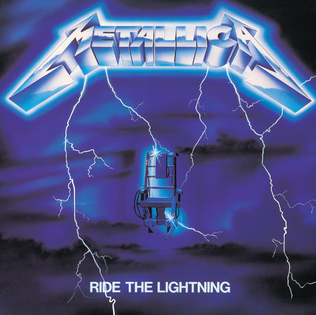
The artwork for Ride the Lightning, based on a concept by the band, depicts an electric chair being struck by lightning flowing from the band logo. This striking image was designed to reflect the album's themes of mortality and the supernatural, which are explored in songs such as Creeping Death and Ride the Lightning. The artwork has become an iconic symbol of the band's music and style, and has been widely imitated and parodied. The album's cover art was also influenced by the band's fascination with Stephen King's novels, particularly The Stand, which inspired the album's title and themes. As the band's visual style evolved, so did their live performances, with the incorporation of elaborate stage sets and lighting designs, including the iconic Master of Puppets stage set.
📚 Literary Inspiration
The title of the album was taken from a passage in Stephen King's novel The Stand, in which a character uses the phrase to refer to execution by electric chair. This literary reference reflects the band's interest in exploring themes of mortality and the supernatural in their music. The album's lyrics, written by James Hetfield and Lars Ulrich, are characterized by their dark and introspective tone, which adds to the album's overall sense of intensity and urgency. As the band's lyrical style evolved, so did their ability to craft compelling stories and characters, as seen in songs like The Call of Ktulu. The album's literary influences also extended to the band's fascination with H.P. Lovecraft's works, which inspired songs like The Thing That Should Not Be.
🤘 Musical Style and Influences
Musically, Ride the Lightning is characterized by its aggressive riffs and powerful vocals, which were influenced by the band's love of New Wave of British Heavy Metal bands such as Iron Maiden and Judas Priest. The album's sound is also marked by the use of fast tempo and shredding guitar solos, which were a hallmark of the band's early style. As the band's musical style evolved, so did their ability to incorporate different influences and styles, as seen in songs like Welcome Home (Sanitarium). The album's musical influences also extended to the band's fascination with punk rock and hardcore punk, which inspired songs like Fight Fire with Fire.
📊 Commercial Performance
Ride the Lightning was a commercial success, reaching number 100 on the Billboard 200 chart in the United States. The album's success can be attributed to the band's intense touring schedule, which included performances with Ozzy Osbourne and Van Halen. As the band's popularity grew, so did their fan base, with many fans discovering the band through their energetic live performances. The album's commercial performance was also influenced by the band's growing reputation as a powerful live act, with songs like Creeping Death and Ride the Lightning becoming staples of the band's live set. The album's success also paved the way for the band's future releases, including Master of Puppets and And Justice for All.
🎧 Critical Reception
Ride the Lightning received widespread critical acclaim upon its release, with many critics praising the album's aggressive sound and introspective lyrics. The album has since been certified 6x Platinum by the Recording Industry Association of America (RIAA) and is widely regarded as one of the greatest heavy metal albums of all time. As the band's critical reputation grew, so did their influence on the music industry, with many bands citing Metallica as a major influence. The album's critical reception was also influenced by the band's growing reputation as a powerful live act, with songs like For Whom the Bell Tolls and Welcome Home (Sanitarium).
🔥 Legacy and Impact
Ride the Lightning has had a lasting impact on the heavy metal genre, influencing a generation of bands and musicians. The album's aggressive sound and introspective lyrics have made it a classic of the genre, and its influence can still be heard in modern heavy metal music. As the band's legacy continues to grow, so does their influence on the music industry, with many bands citing Metallica as a major influence. The album's legacy is also reflected in its continued popularity, with many fans still discovering the album through its iconic songs and powerful live performances. The album's influence also extends to the band's ability to craft compelling stories and characters, as seen in songs like The Call of Ktulu and The Thing That Should Not Be.
👥 Band Dynamics
The recording of Ride the Lightning was a tense and intense experience for the band, with James Hetfield and Lars Ulrich clashing over the album's direction and sound. Despite these tensions, the band was able to come together and create an album that would surpass their debut and establish them as a major force in the heavy metal genre. As the band's dynamics evolved, so did their ability to work together and create music that reflected their shared vision and passion. The album's recording was also influenced by the band's growing reputation as a powerful live act, with songs like Creeping Death and Ride the Lightning becoming staples of the band's live set.
📈 Influence on the Music Industry
Ride the Lightning has had a significant influence on the music industry, with many bands citing Metallica as a major influence. The album's aggressive sound and introspective lyrics have made it a classic of the genre, and its influence can still be heard in modern heavy metal music. As the band's influence continues to grow, so does their legacy, with many fans still discovering the album through its iconic songs and powerful live performances. The album's influence also extends to the band's ability to craft compelling stories and characters, as seen in songs like The Call of Ktulu and The Thing That Should Not Be. The album's influence on the music industry is also reflected in its continued popularity, with many fans still discovering the album through its iconic songs and powerful live performances.
🔮 Controversy and Criticism
Ride the Lightning has been the subject of some controversy and criticism over the years, with some critics accusing the band of being too aggressive and violent in their music and live performances. Despite these criticisms, the album remains a beloved classic of the heavy metal genre, and its influence can still be heard in modern heavy metal music. As the band's reputation continues to grow, so does their influence on the music industry, with many bands citing Metallica as a major influence. The album's controversy and criticism also reflect the band's ability to push boundaries and challenge their fans, as seen in songs like Fight Fire with Fire and Creeping Death.
👏 Accolades and Awards
Ride the Lightning has received numerous accolades and awards over the years, including being certified 6x Platinum by the Recording Industry Association of America (RIAA). The album has also been named one of the greatest heavy metal albums of all time by numerous publications, including Rolling Stone and Kerrang!. As the band's legacy continues to grow, so does their influence on the music industry, with many bands citing Metallica as a major influence. The album's accolades and awards also reflect the band's ability to craft compelling stories and characters, as seen in songs like The Call of Ktulu and The Thing That Should Not Be.
Key Facts
- Year
- 1984
- Origin
- United States
- Category
- Music
- Type
- Album
Frequently Asked Questions
What is the name of Metallica's second studio album?
Ride the Lightning, released on July 27, 1984, by the independent record label Megaforce Records. The album was recorded in three weeks with producer Flemming Rasmussen at Sweet Silence Studios in Copenhagen, Denmark. The album's title was taken from a passage in Stephen King's novel The Stand, in which a character uses the phrase to refer to execution by electric chair. As the band's popularity grew, so did their fan base, with many fans discovering the band through their energetic live performances, including the iconic Cliff Burton.
Who produced Ride the Lightning?
Flemming Rasmussen, a Danish record producer who worked with Metallica at Sweet Silence Studios in Copenhagen, Denmark. Rasmussen's production style was influenced by the band's love of New Wave of British Heavy Metal bands such as Iron Maiden and Judas Priest. The album's production quality was praised by critics, with many noting the album's clear and powerful sound, thanks in part to the expertise of James Hetfield and Lars Ulrich. As the band's musical style evolved, so did their ability to incorporate different influences and styles, as seen in songs like Welcome Home (Sanitarium).
What is the meaning behind the title of Ride the Lightning?
The title of the album was taken from a passage in Stephen King's novel The Stand, in which a character uses the phrase to refer to execution by electric chair. The title reflects the album's themes of mortality and the supernatural, which are explored in songs such as Creeping Death and Ride the Lightning. As the band's lyrical style evolved, so did their ability to craft compelling stories and characters, as seen in songs like The Call of Ktulu and The Thing That Should Not Be. The album's literary influences also extended to the band's fascination with H.P. Lovecraft's works, which inspired songs like The Thing That Should Not Be.
How did Ride the Lightning perform commercially?
Ride the Lightning was a commercial success, reaching number 100 on the Billboard 200 chart in the United States. The album's success can be attributed to the band's intense touring schedule, which included performances with Ozzy Osbourne and Van Halen. As the band's popularity grew, so did their fan base, with many fans discovering the band through their energetic live performances. The album's commercial performance was also influenced by the band's growing reputation as a powerful live act, with songs like Creeping Death and Ride the Lightning becoming staples of the band's live set.
What is the significance of Ride the Lightning in the heavy metal genre?
Ride the Lightning is widely regarded as one of the greatest heavy metal albums of all time, and its influence can still be heard in modern heavy metal music. The album's aggressive sound and introspective lyrics have made it a classic of the genre, and its influence can be seen in many bands that have followed in Metallica's footsteps. As the band's legacy continues to grow, so does their influence on the music industry, with many bands citing Metallica as a major influence. The album's significance is also reflected in its continued popularity, with many fans still discovering the album through its iconic songs and powerful live performances.
What are some of the most popular songs from Ride the Lightning?
Some of the most popular songs from Ride the Lightning include Creeping Death, Ride the Lightning, and For Whom the Bell Tolls. These songs are considered some of the band's best work and are still widely popular today. As the band's musical style evolved, so did their ability to craft compelling songs and characters, as seen in songs like The Call of Ktulu and The Thing That Should Not Be. The album's most popular songs also reflect the band's ability to push boundaries and challenge their fans, as seen in songs like Fight Fire with Fire and Creeping Death.
How has Ride the Lightning been received by critics?
Ride the Lightning has received widespread critical acclaim, with many critics praising the album's aggressive sound and introspective lyrics. The album has been certified 6x Platinum by the Recording Industry Association of America (RIAA) and is widely regarded as one of the greatest heavy metal albums of all time. As the band's critical reputation grew, so did their influence on the music industry, with many bands citing Metallica as a major influence. The album's critical reception was also influenced by the band's growing reputation as a powerful live act, with songs like For Whom the Bell Tolls and Welcome Home (Sanitarium) becoming staples of the band's live set.