
Contents
Overview
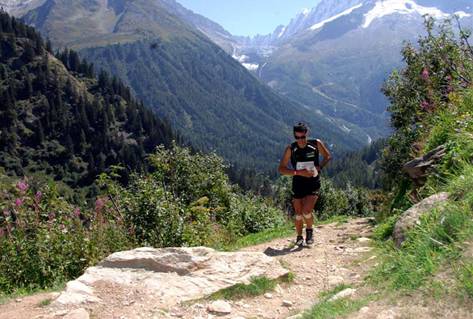
Running trails are designated paths or routes designed for running, typically found in natural environments like forests, mountains, and parks. Unlike paved roads, they often feature varied terrain, including dirt, gravel, rocks, and roots, demanding greater agility and strength from runners. These trails offer a distinct experience from urban running, emphasizing immersion in nature, reduced impact stress, and the challenge of undulating landscapes. The global trail running community has seen explosive growth, with events ranging from short, local races to multi-day ultramarathons covering hundreds of miles. The International Trail Running Association (ITRA), founded in 2013, now governs and promotes the sport worldwide, reflecting its burgeoning popularity and organized structure.
🎵 Origins & History
The concept of running on trails predates recorded history, evolving from the necessity of human migration and hunting across varied landscapes. Ancient footpaths, carved by generations of movement, served as the earliest 'trails.' In the modern era, the formalized sport of trail running emerged from disciplines like mountain running and cross-country running. The evolution from utilitarian paths to competitive courses highlights a growing human desire to connect with nature through physical exertion.
⚙️ How It Works
Running trails are characterized by their natural surfaces, which can include packed earth, loose gravel, sand, rocks, and roots, often interspersed with significant elevation changes. Unlike the uniform surfaces of road running, trails demand constant adaptation from the runner's body, engaging stabilizer muscles and requiring careful foot placement. Trail maintenance varies widely, from well-trodden, smooth paths to rugged, technical routes that may require scrambling or navigating obstacles. The design and marking of trails are crucial for safety and navigation, often employing blazes, signs, or GPS data to guide runners, especially in remote areas or during organized races. The inherent unpredictability of the terrain is a defining feature, offering a dynamic and engaging running experience.
📊 Key Facts & Numbers
The global trail running market is a significant and rapidly growing sector. The market was valued at approximately $2.5 billion USD in 2023, with projections indicating a compound annual growth rate (CAGR) of 6.8% through 2030. Over 10 million people worldwide participate in organized trail running events annually, with participation in ultramarathons (races longer than a marathon) increasing by an estimated 150% between 2009 and 2019. The Western States 100 alone receives over 5,000 applications for just 369 spots each year, showcasing extreme demand. The average trail runner spends an estimated $500-$1,000 USD annually on gear, race fees, and travel, contributing significantly to local economies near popular trail systems.
👥 Key People & Organizations
Key figures in the modern trail running movement include Scott Jurek, a celebrated ultramarathoner known for his numerous course records and advocacy for plant-based diets, and Emelie Forsberg, a Norwegian-Swedish ultrarunner and ski mountaineer who has pushed the boundaries of mountain running. Organizations like the International Trail Running Association (ITRA), founded in 2013, play a pivotal role in standardizing rules, ranking athletes, and promoting the sport globally. National governing bodies, such as USA Track & Field (USATF) for its cross-country and mountain running divisions, also contribute to the sport's structure. Race directors and event organizers, like Rob Krar (also a prominent runner), are instrumental in creating challenging and inspiring courses.
🌍 Cultural Impact & Influence
Running trails have profoundly influenced outdoor recreation and fitness culture, fostering a deep appreciation for natural landscapes and promoting a more holistic approach to physical health. The aesthetic appeal of trail running has inspired photography, film, and literature, with documentaries like 'Born to Run' (2009) significantly boosting interest in the sport and its associated culture. This connection to nature has also spurred environmental advocacy among trail runners, leading to increased awareness and efforts in trail conservation and land preservation. The rise of trail running has also boosted local economies in rural and mountainous regions that host major events, creating a symbiotic relationship between sport and community.
⚡ Current State & Latest Developments
The current state of trail running is one of robust growth and increasing professionalization. Major trail races are attracting larger fields and significant sponsorship, with prize money for elite athletes on the rise. The development of specialized gear, including lighter and more responsive footwear, advanced hydration systems, and GPS tracking devices, continues to evolve. There's a growing trend towards 'vertical kilometer' races and skyrunning, emphasizing extreme elevation gain. Furthermore, the integration of trail running into broader adventure sports and the increasing accessibility of trail networks in urban and suburban areas indicate continued expansion. The ITRA continues to refine its ranking system and expand its global reach.
🤔 Controversies & Debates
Controversies surrounding trail running often center on environmental impact and access. The increasing popularity of trails leads to concerns about erosion, habitat disruption, and littering, prompting debates about sustainable trail management practices and runner etiquette. The designation of trails for specific uses (e.g., hikers vs. bikers vs. runners) can also lead to conflict, with some user groups advocating for dedicated corridors. Furthermore, the professionalization of the sport raises questions about commercialization versus the grassroots, nature-focused ethos that initially defined trail running. The debate over whether trail running should be more strictly governed by organizations like World Athletics versus independent bodies like the ITRA also persists.
🔮 Future Outlook & Predictions
The future of running trails points towards continued expansion and innovation. We can anticipate the development of more sophisticated trail maintenance technologies and sustainable trail-building techniques to mitigate environmental impact. The integration of augmented reality (AR) and virtual reality (VR) into trail running experiences, offering simulated routes or enhanced navigation, is a likely development. Expect to see more ultra-endurance events pushing the limits of human performance and more accessible, shorter trail races catering to a broader audience. The role of data analytics in training and performance optimization for trail runners will also likely increase, further professionalizing the sport.
💡 Practical Applications
Running trails offer diverse practical applications beyond competitive sport. They serve as vital recreational resources for individuals seeking exercise, stress relief, and connection with nature in local and national parks. Trails are integral to hiking, mountain biking, and backpacking activities, providing access to remote areas. They are also used for orienteering and adventure racing, requiring navigation skills. Furthermore, trail systems can be crucial for wildlife corridors and ecological research, offering researchers access to sensitive habitats. The development and maintenance of trails also create employment opportunities in park management, conservation, and outdoor recreation industries.
Key Facts
- Category
- nature
- Type
- concept