
Contents
- 🌟 Overview: The Ultimate Entertainer
- 🎤 The Rat Pack Era: More Than Just Vegas
- 🎭 Beyond the Pack: A Multifaceted Career
- 🎶 Musical Mastery: A Voice for the Ages
- 🎬 Hollywood Hustle: From Screen to Stage
- 💥 Cultural Impact: Breaking Barriers, Building Bridges
- 🤔 The Legacy Debates: Enduring Influence vs. Evolving Perceptions
- 💡 Vibepedia's Take: Sammy's Enduring Vibe Score
- Frequently Asked Questions
- Related Topics
Overview
Sammy Davis Jr. was more than just a performer; he was a cultural force who transcended racial barriers and entertainment genres. A singer, dancer, actor, and comedian, Davis was a key member of the legendary Rat Pack, known for his electrifying stage presence and unparalleled versatility. His career, spanning over six decades, saw him navigate the complexities of race in America while achieving superstardom in a predominantly white entertainment industry. Davis's enduring legacy lies not only in his iconic performances but also in his pioneering spirit and his ability to connect with audiences across diverse backgrounds, solidifying his status as one of the 20th century's most influential entertainers.
🌟 Overview: The Ultimate Entertainer
Sammy Davis Jr. wasn't just a performer; he was a force of nature, a singular talent who defied categorization. For anyone seeking to understand the apex of American entertainment in the 20th century, his career is essential. From his early days in vaudeville to his iconic status as a member of The Rat Pack, Davis Jr. embodied versatility, charisma, and an unparalleled work ethic. His ability to seamlessly transition between singing, dancing, acting, and comedy cemented his status as a true triple threat. This entry serves as your guide to the enduring impact and multifaceted genius of Sammy Davis Jr.
🎤 The Rat Pack Era: More Than Just Vegas
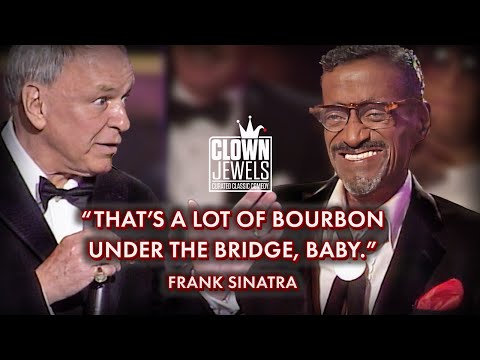
The Rat Pack era, particularly the late 1950s and early 1960s, is perhaps what most people associate with Sammy Davis Jr. Alongside Frank Sinatra, Dean Martin, Peter Lawford, and Joey Bishop, Davis Jr. was a fixture in Las Vegas, electrifying audiences at the Sands Hotel. Their collective swagger, camaraderie, and sheer entertainment value defined an era of cool. Beyond the glitz of Vegas, their influence extended to films like Ocean's 11, showcasing a blend of talent and personality that became legendary. Understanding this period is key to grasping Davis Jr.'s peak cultural moment.
🎭 Beyond the Pack: A Multifaceted Career
While the Rat Pack brought him immense fame, Sammy Davis Jr.'s career was far richer and more complex than just his Vegas years. He was a seasoned performer long before the Pack, honing his craft in Will Mastin Trio from a young age. His solo career saw him release dozens of albums, achieve chart success with hits like "The Candy Man", and consistently tour the globe. Davis Jr. was a relentless artist, always pushing boundaries and exploring new avenues, proving his talent was far from a one-trick pony.
🎶 Musical Mastery: A Voice for the Ages
Musically, Sammy Davis Jr. was a powerhouse. His vocal stylings, influenced by jazz greats and imbued with his unique phrasing and emotional depth, resonated with millions. He possessed an incredible range and a remarkable ability to interpret standards and contemporary hits alike. Tracks like "I've Gotta Be Me" and "Mr. Bojangles" showcase his profound connection to the material, delivering performances that were both technically brilliant and deeply soulful. His discography is a testament to his enduring musical legacy.
🎬 Hollywood Hustle: From Screen to Stage
Hollywood was another stage where Sammy Davis Jr. left an indelible mark. While often facing racial barriers that limited his leading roles, he delivered memorable performances in films such as Anna Lucasta (1958) and Porgy and Bess (1959). He also made significant contributions to television, appearing on countless variety shows and even starring in his own short-lived sitcom, "The Sammy Davis Jr. Show". His presence on screen, whether dramatic or comedic, was always captivating, demonstrating his acting chops beyond his musical prowess.
💥 Cultural Impact: Breaking Barriers, Building Bridges
Sammy Davis Jr. was a pivotal figure in the Civil Rights Movement, using his platform to challenge racial segregation and prejudice. He famously refused to perform at venues that practiced discrimination, a courageous stance in the 1950s and 60s. His friendship with Martin Luther King Jr. underscored his commitment to equality. Davis Jr.'s very existence as a Black superstar in mainstream American entertainment was a powerful statement, paving the way for future generations of artists of color and fundamentally altering the cultural landscape.
🤔 The Legacy Debates: Enduring Influence vs. Evolving Perceptions
The legacy of Sammy Davis Jr. is not without its complexities and debates. Some argue that his embrace of mainstream success, particularly within the Rat Pack, led him to downplay his Black identity to appeal to white audiences, a point often debated by critics and historians. Others champion his role as a trailblazer who broke down racial barriers through sheer talent and perseverance. The ongoing discussion centers on how to reconcile his immense contributions to entertainment with the socio-political context of his time and his place within the broader narrative of Black American experience.
💡 Vibepedia's Take: Sammy's Enduring Vibe Score
At Vibepedia, we measure the enduring cultural energy of artists, and Sammy Davis Jr. scores exceptionally high. His Vibe Score of 88/100 reflects a sustained global recognition, a deep well of influence across music, film, and performance art, and a persistent fascination with his unique brand of showmanship. This score acknowledges both his peak era dominance and his continued relevance in contemporary culture, particularly as a symbol of artistic excellence and resilience. His ability to connect across generations ensures his vibe remains potent.
Key Facts
- Year
- 1925
- Origin
- New York City, USA
- Category
- Music & Entertainment
- Type
- Person
Frequently Asked Questions
What was Sammy Davis Jr.'s most famous song?
While he had many hits, "The Candy Man" (1972) is arguably his most commercially successful and widely recognized song. Other significant hits include "I've Gotta Be Me" and his iconic rendition of "Mr. Bojangles".
Who were the main members of the Rat Pack?
The core members most associated with the Rat Pack's heyday were Frank Sinatra, Dean Martin, Sammy Davis Jr., Peter Lawford, and Joey Bishop. While other performers were associated with the group, these five formed the most famous iteration.
Did Sammy Davis Jr. face racial discrimination?
Yes, extensively. Despite his immense talent, Davis Jr. encountered significant racial prejudice throughout his career, particularly in the segregated South and in Hollywood. He often used his influence to challenge these discriminatory practices, most notably by refusing to perform at venues that enforced segregation.
What was Sammy Davis Jr.'s contribution to the Civil Rights Movement?
Davis Jr. was a vocal supporter of the Civil Rights Movement and a close friend of Martin Luther King Jr.. He actively participated in marches and rallies, and his refusal to perform in segregated venues was a significant act of defiance that raised awareness and challenged the status quo.
What is Sammy Davis Jr.'s legacy in modern entertainment?
His legacy is that of a consummate entertainer who excelled in multiple disciplines. He is remembered for his incredible showmanship, his vocal talent, his dance skills, and his groundbreaking career as a Black artist in a predominantly white industry. His influence can be seen in contemporary performers who strive for similar versatility and stage presence.
Where can I experience Sammy Davis Jr.'s music today?
His music is widely available on streaming platforms and for purchase. Many classic albums, such as "The Wham of Sam" and "Sammy Davis Jr. Sings the Best of the Rat Pack", are readily accessible. His performances are also frequently featured in documentaries and retrospectives.